

Retrovintage | Stuart Murray
Interior design and vintage furniture PR | 12-month campaign
The story
Vintage furniture is a specialist interest, but the questions people ask about their homes are universal. What should someone check before buying second-hand? Why are particular designs becoming fashionable again? Can a familiar heritage look work in a modern home, and which mistakes should buyers avoid?
These are exactly the sorts of editorial questions for which practical design knowledge can be useful. Retrovintage's recorded media coverage brings together antiques, interiors and home improvement, giving the business relevance beyond an announcement about its own stock.
The client and objective
Retrovintage specialises in the world of vintage furniture and interiors, where people are often attracted to the character of older pieces but need practical guidance before buying or introducing them into a contemporary home. Over a 12-month PR campaign, the objective was to make that experience useful to a wider media audience. Instead of only discussing individual stock items, the coverage explored recurring home-design questions: why older styles return, what buyers should examine and how to approach materials, proportion and room layout sensibly.
This is an important distinction. A journalist writing about decorating a bathroom or the resurgence of a 1970s style is usually trying to answer a reader's question. The story does not have to be about a particular retailer. A suitably experienced specialist can help explain the issue and earn an association with it through independent editorial coverage.
The strategy
Rather than concentrate on product or business announcements, the editorial approach looked at four connected strands: design revivals, practical renovation, buying second-hand responsibly and the smaller decorating trends that attract consumer interest from season to season.
The value of these strands is that they appeal to different publications and different needs. Someone planning renovation work wants clear practical advice; someone considering an antique purchase needs to understand condition and suitability; someone following a design trend wants to know how to translate an attractive photograph into a liveable room.
Returning styles and younger antiques buyers
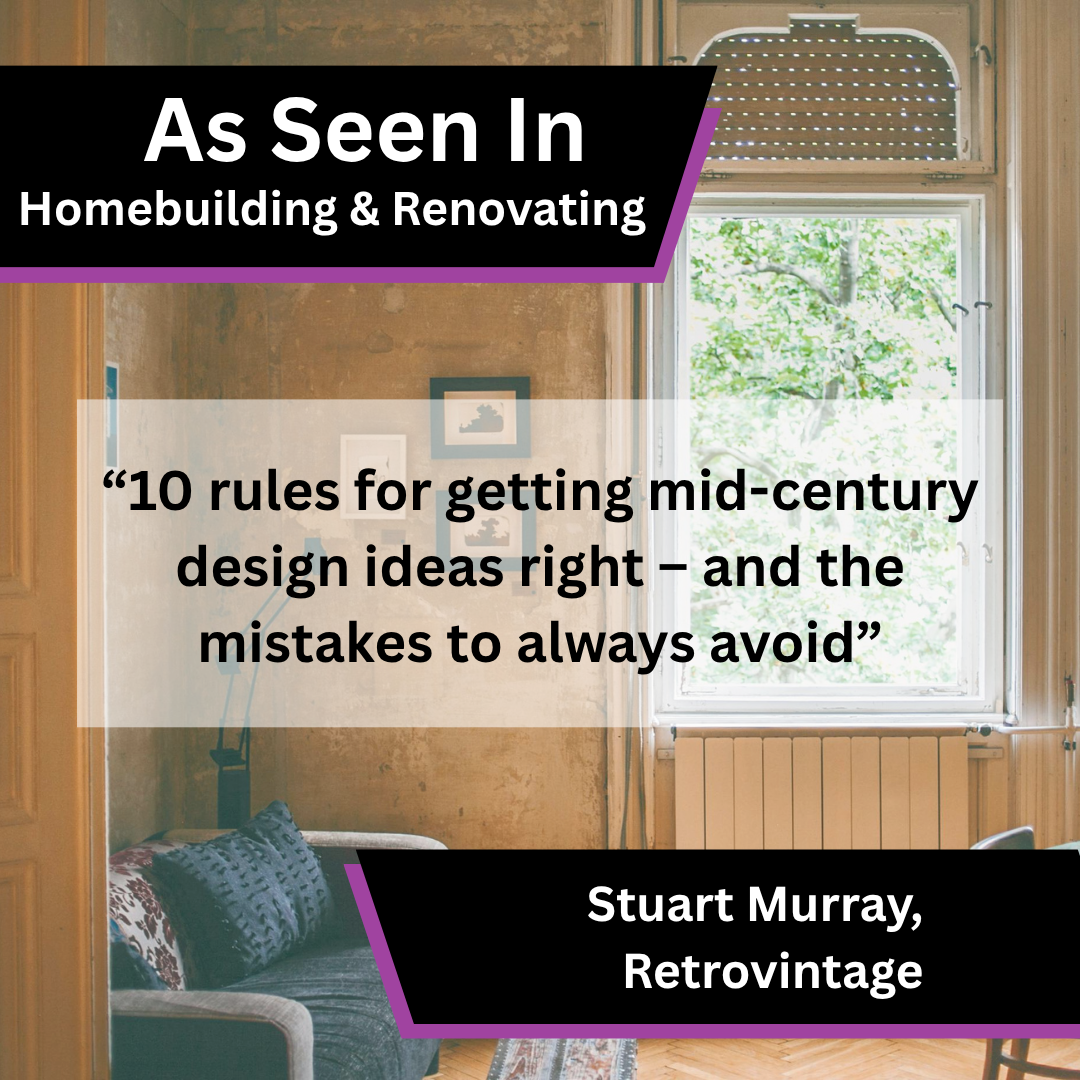
Country Living covered antiques gaining popularity among younger people, while Homebuilding & Renovating examined rules for mid-century design and the mistakes to avoid. Those features put vintage design expertise into a discussion about changing taste rather than a sales pitch for old furniture.
Read the Country Living article
Read the Homebuilding & Renovating articl
The Country Living article about younger antiques buyers and the Homebuilding & Renovating feature on mid-century design approach a shared question from different directions. One asks why a new generation is interested in older objects; the other considers how a historical design language can work in an actual home. Useful expert input connects the cultural enthusiasm to tangible choices, such as scale, materials, restoration and whether a piece will suit its intended room.
Making second-hand buying decisions easier
Bob Vila examined the risks of buying second-hand home goods. That is a useful reminder that enthusiasm for vintage items should not replace practical scrutiny: age alone does not prove quality, safety, value or environmental benefit. Different goods need different checks, and a piece that photographs beautifully may not suit a household's needs.
Read the Bob Vila feature
A second-hand purchase may be charming in a photograph and impractical in daily use. The Bob Vila feature allowed the story to examine that tension, from inspecting condition and stability to questioning assumptions about value. This is an example of expertise being useful precisely because it does not insist every vintage purchase is a good one. Journalists need balanced sources who can explain the trade-offs.
How vintage design advice reached different audiences
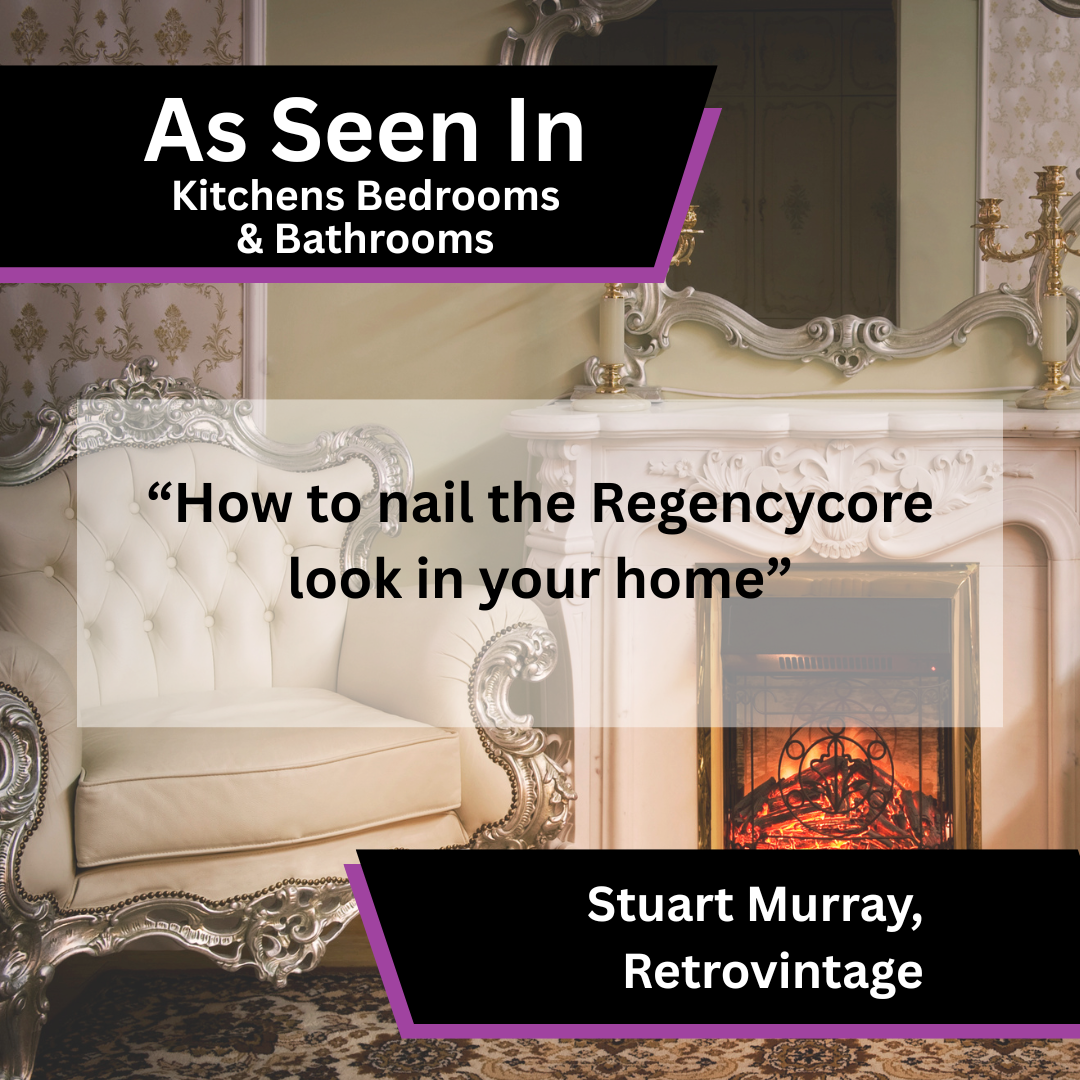
Kitchens Bedrooms & Bathrooms discussed Regencycore, Rococo and Art Deco styling. Homebuilding & Renovating considered painting over textured wallpaper, while other records cover decorative finishes, colours and practical arrangements.
Read the Regencycore feature
These are not identical stories, but they share a foundation: design advice is more useful when it explains how a material, finish or style behaves in a real room, rather than assuming a look will work in every property.
Shorter-lived trends still create editorial opportunities
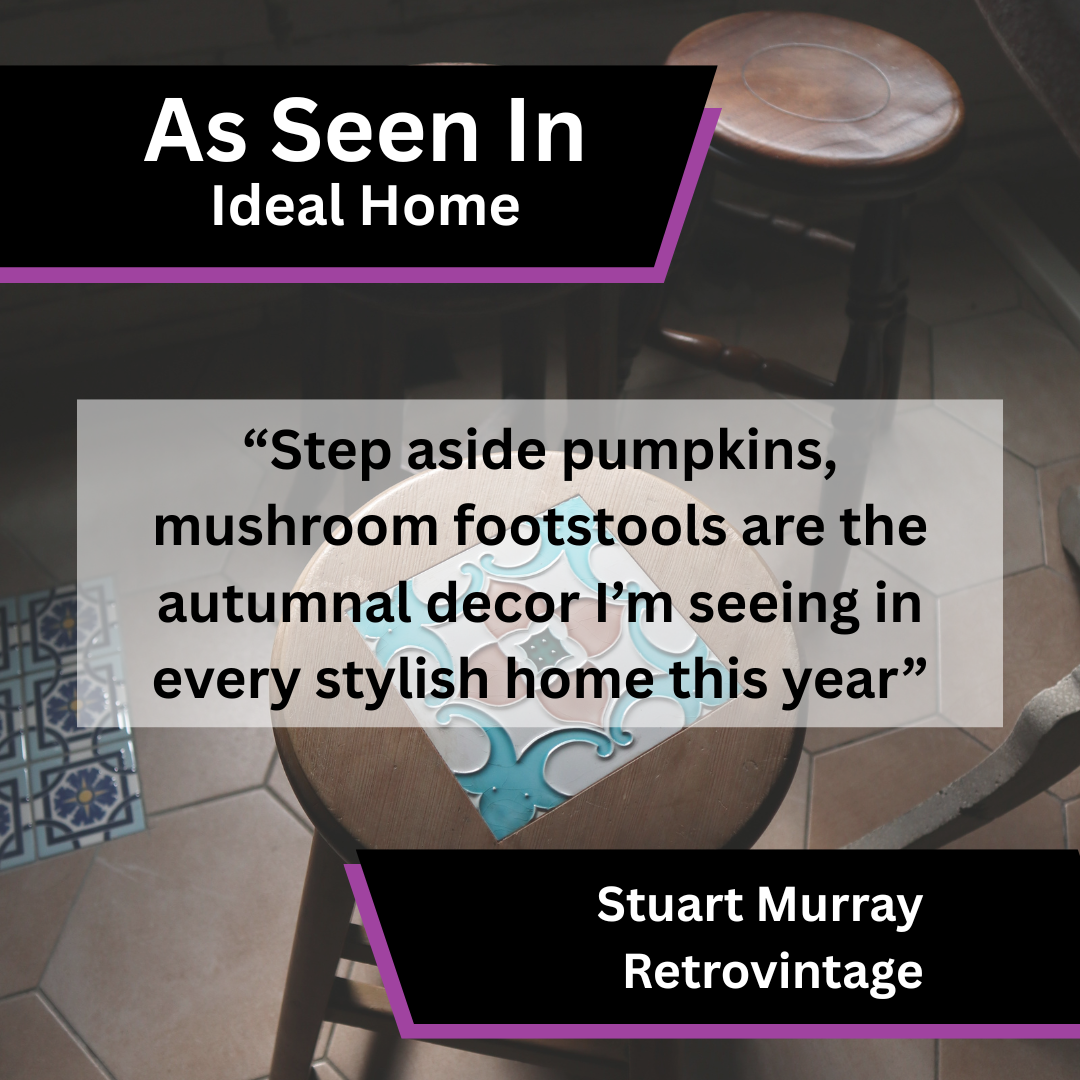
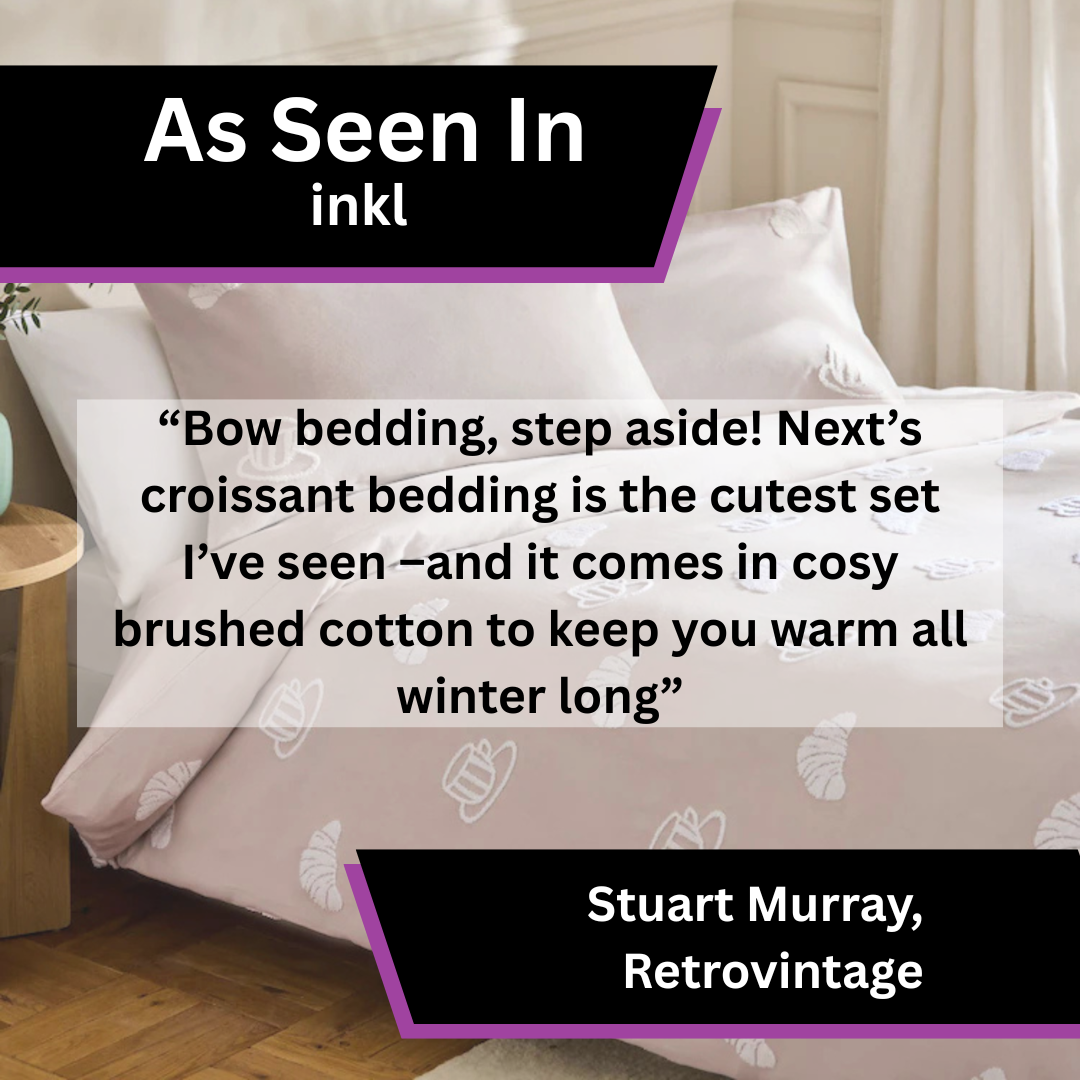
Ideal Home covered mushroom footstools, croissant-inspired bedding and seasonal decorative trends. The point of responding to such stories is not to declare every fashion timeless. It is to explain the practical considerations behind a trend, including scale, materials, colour and how an object works with the rest of a space.
Read the mushroom footstool trend
Regularly changing consumer interests create new editorial questions. A coherent specialist profile means an expert can contribute to several of them while maintaining a recognisable area of authority.
Why national and specialist interiors coverage complement each other
The archived Retrovintage coverage is useful partly because the same broad expertise appears in several quite different editorial settings. Country Living has a readership looking for character, comfort and heritage in the home. Bob Vila approaches many of the same objects through the practical risks and decisions involved in buying and maintaining them. Homebuilding & Renovating speaks to homeowners making more significant changes to the fabric and layout of a property. A vintage interiors expert can contribute to each, but the advice has to meet a different reader need.
The 2026 Country Living articles about antiques finding favour with younger buyers illustrate how culture and buying habits can make an established specialist relevant to a current trend. The Bob Vila piece about second-hand shopping risks provides a more practical counterpoint: second-hand furniture can offer individual character, but a buyer still needs to assess suitability, safety, condition and the realities of restoration. Those are substantive questions, not a sales pitch for a particular item.
Maintaining editorial breadth without confusing every trend with a result
The archive also ranges across Regencycore, Art Deco, mid-century interiors, decorative paint and smaller seasonal consumer trends. That variety matters because it demonstrates several possible ways for genuine professional knowledge to intersect with coverage already being planned by a journalist. It does not mean every trend was invented or promoted by the client, or that each press appearance necessarily formed a wholly separate campaign idea.
There is a second lesson in the record: a design expert who only discusses one product category may miss opportunities to contribute to the wider room, home or lifestyle questions that make readers open a publication. The relevant editorial contribution is an informed explanation of the topic and, where suitable, clear examples of what works or what to avoid.
For prospective clients, the Retrovintage example demonstrates that media relevance is not restricted to launches, shop openings or product announcements. Specialist knowledge can remain newsworthy as tastes change, provided the expert has something genuine and specific to contribute. The case demonstrates recorded third-party coverage; it does not establish a measured rise in sales, search rankings or enquiries.
The results
The wider archive contains 29 distinct linked article examples on vintage furniture, home design, buying decisions and changing trends. It covers material beyond the precise boundaries of the stated 12-month campaign, so the list is presented as the documented historical coverage rather than a claim that every article appeared within that single period. Readers can examine the sources in the linked table rather than relying on an unexplained headline number.
Among the published examples are Country Living, Homebuilding & Renovating, Ideal Home, the Daily Mail, Bob Vila and specialist interiors titles. They demonstrate breadth of editorial settings, including advice that helps a reader assess a purchase and design commentary that explains a fashion. The evidence establishes published references to Retrovintage’s area of expertise, not a quantified increase in sales or enquiries.
| Publication | Date | Article subject | Read |
|---|---|---|---|
| The English Home | 2025-04-17 | Best garden chairs | Read article |
| Homebuilding & Renovating | 2025-04-19 | Garage experts | Read article |
| Homes & Gardens | 2025-05-09 | Styling an accent chair | Read article |
| Homebuilding & Renovating | 2025-05-09 | Lining paper grades in decorating or wallpapering | Read article |
| Ideal Home | 2025-05-13 | Loft conversion and storage solutions expertise | Read article |
| Homebuilding & Renovating | 2025-05-15 | Wallpapering an alcove advice | Read article |
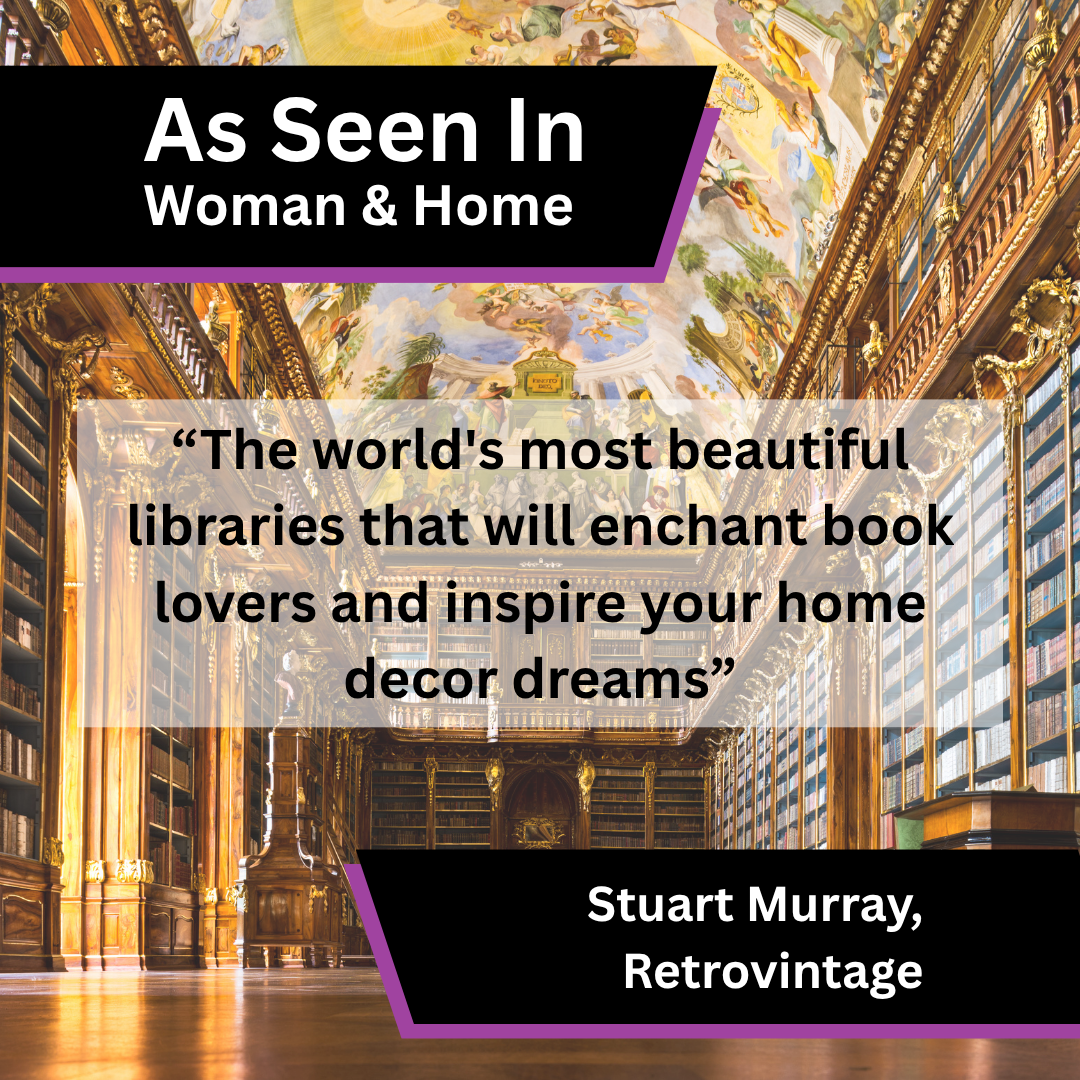
| Woman & Home | 2025-05-23 | Libraries inspiring home interior design | Read article |
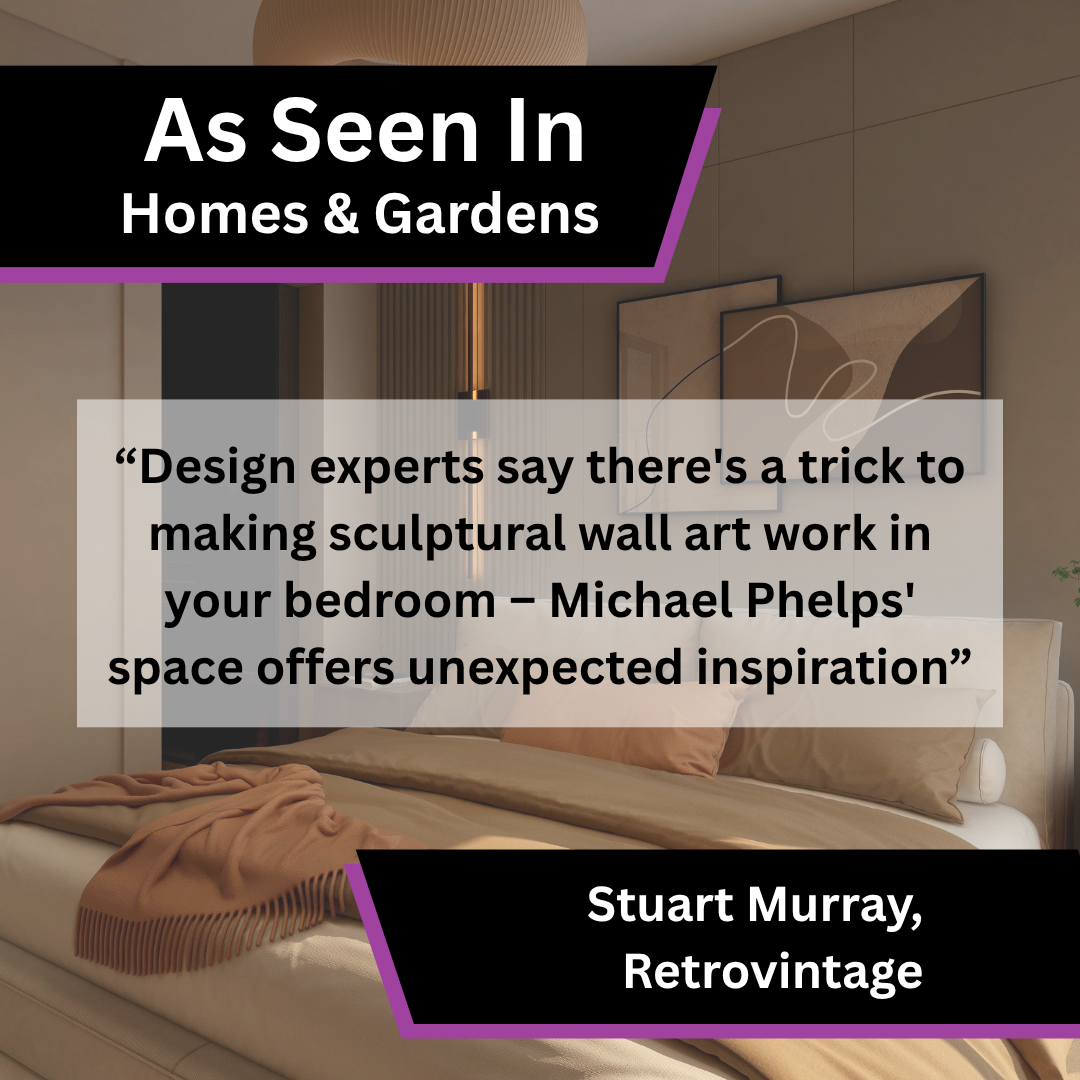
| Homes & Gardens | 2025-06-10 | Interior designer discusses bedroom wall art | Read article |
| Homebuilding & Renovating | 2025-06-19 | Sanding stairs advice from painter, builder, carpenter | Read article |
| Homebuilding & Renovating | 2025-07-04 | Make a small patio look bigger | Read article |
| Ideal Home | 2025-07-07 | Never store old books in your loft | Read article |
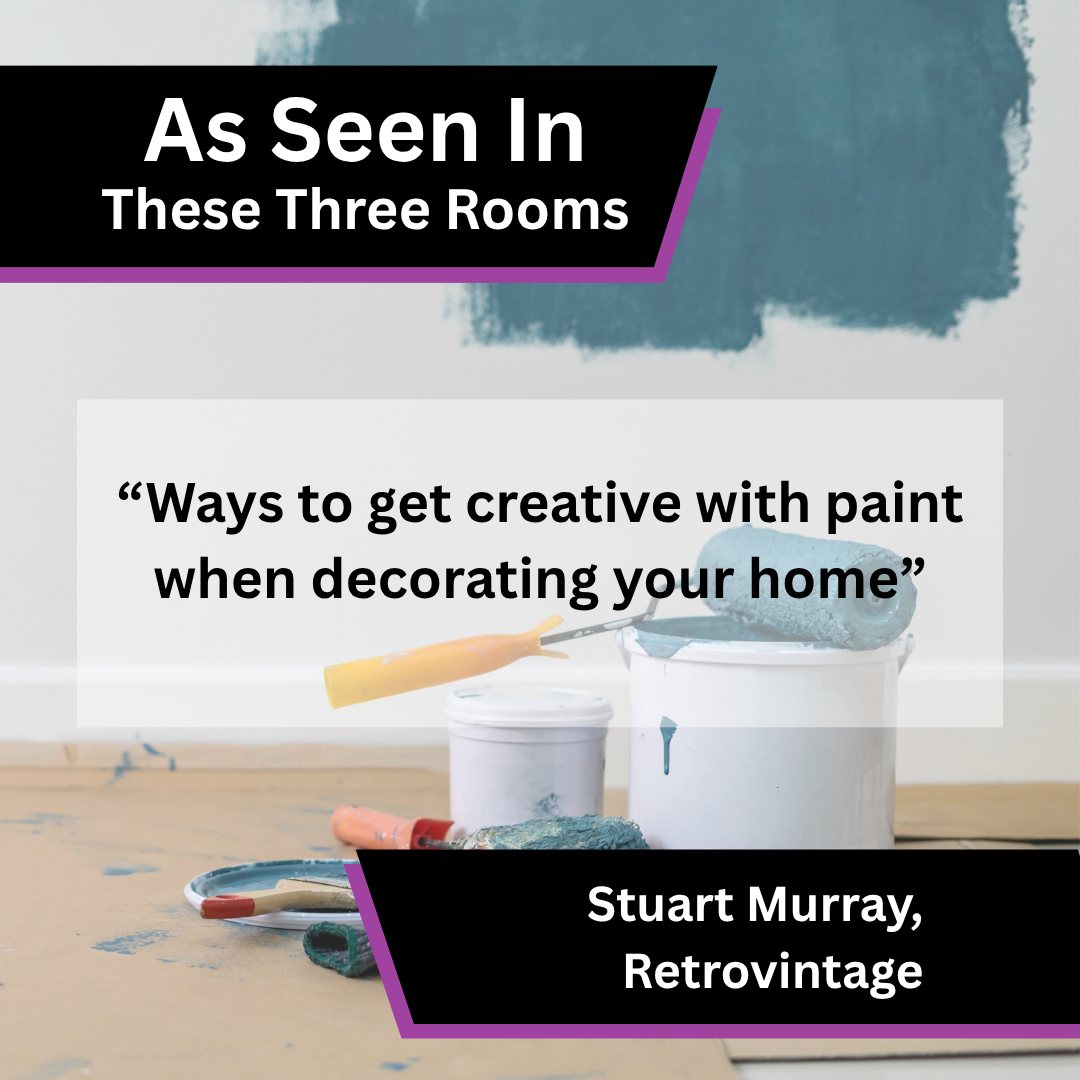
| These Three Rooms | 2025-07-23 | Getting creative with paint | Read article |
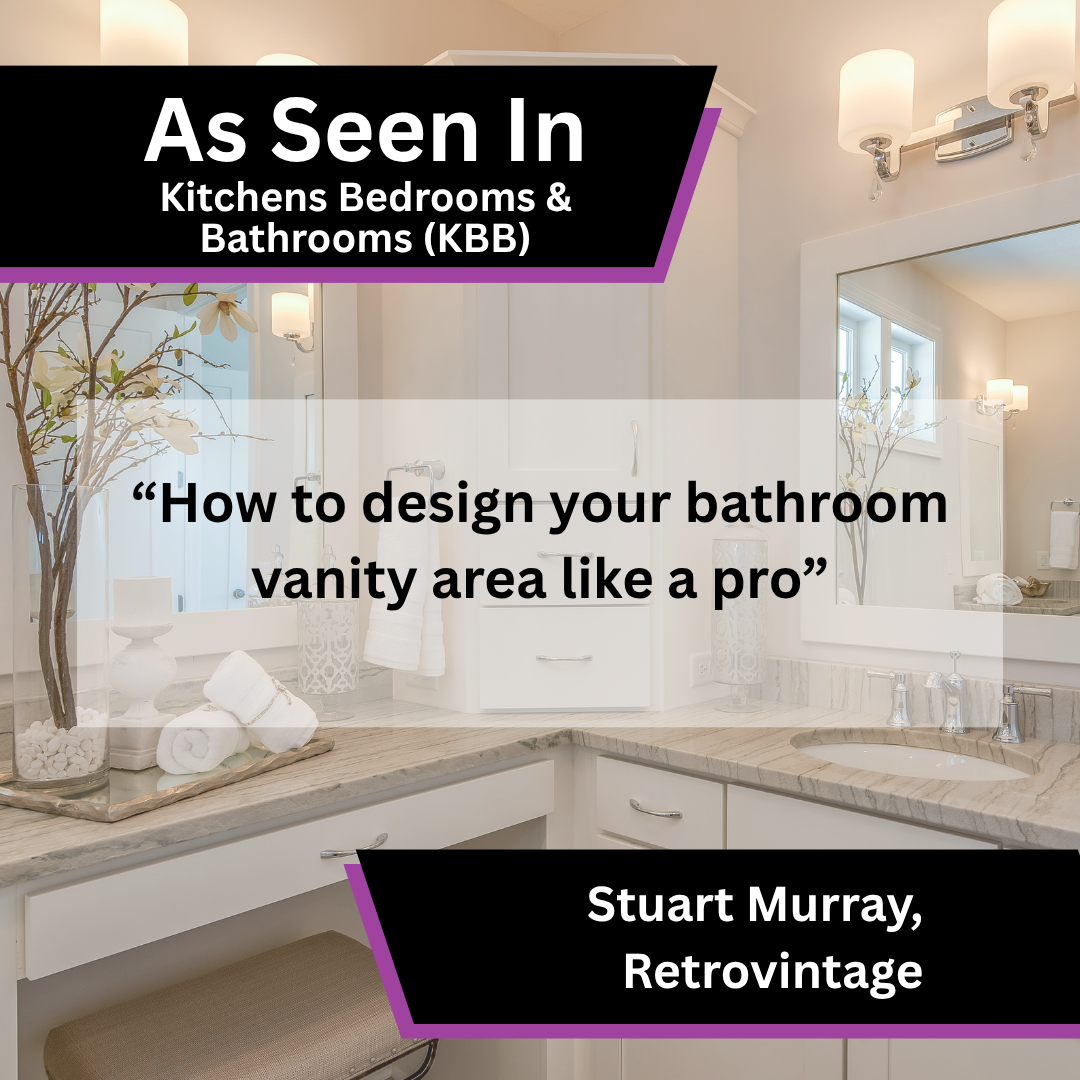
| Kitchens Bedrooms & Bathrooms (KBB) | 2025-07-23 | Vanity area design guidance and information | Read article |
| Ideal Home | 2025-08-13 | Popularity of brightly coloured garden furniture | Read article |
| Ideal Home | 2025-09-15 | Mushroom footstools are a breakout trend this autumn | Read article |
| Ideal Home | 2025-09-30 | Glass pumpkins are popular Halloween decor this year | Read article |
| Creative Bloq | 2025-10-07 | Essential object for designers | Read article |
| Homebuilding & Renovating | 2025-10-20 | Skirting boards and alternatives for home interiors features | Read article |
| Homebuilding & Renovating | 2025-10-28 | LED skirting boards in interior design and electrical work | Read article |
| Ideal Home | 2026-01-21 | Croissant-themed homeware trend explanation | Read article |
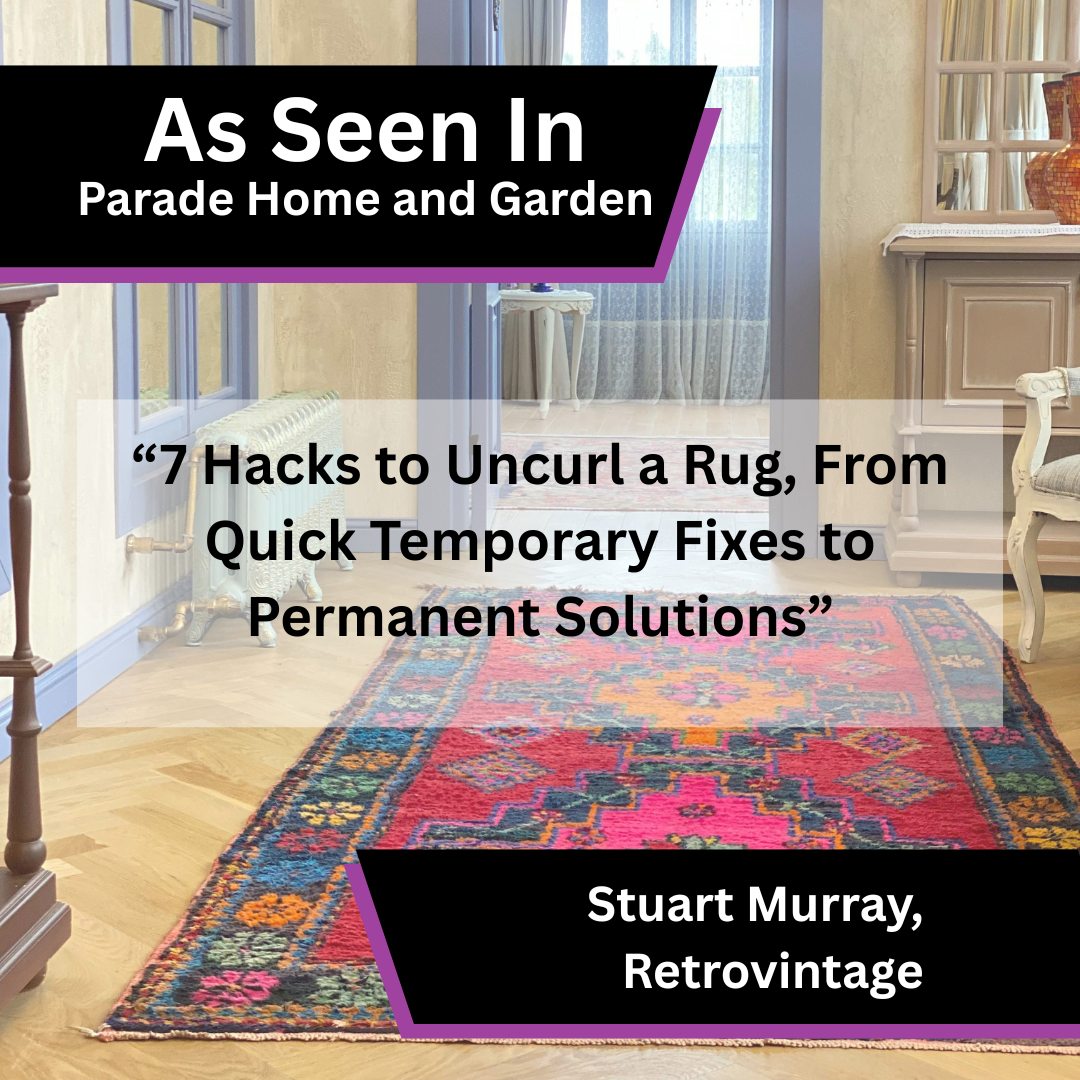
| Parade Home and Garden | 2026-01-24 | Uncurling a carpet | Read article |
| Kitchens Bedrooms & Bathrooms (KBB) | 2026-03-30 | Imagery and commentary on Rococo, Regencycore, and Art Deco | Read article |
| Bob Vila | 2026-05-16 | Risks of thrift shopping secondhand home goods | Read article |
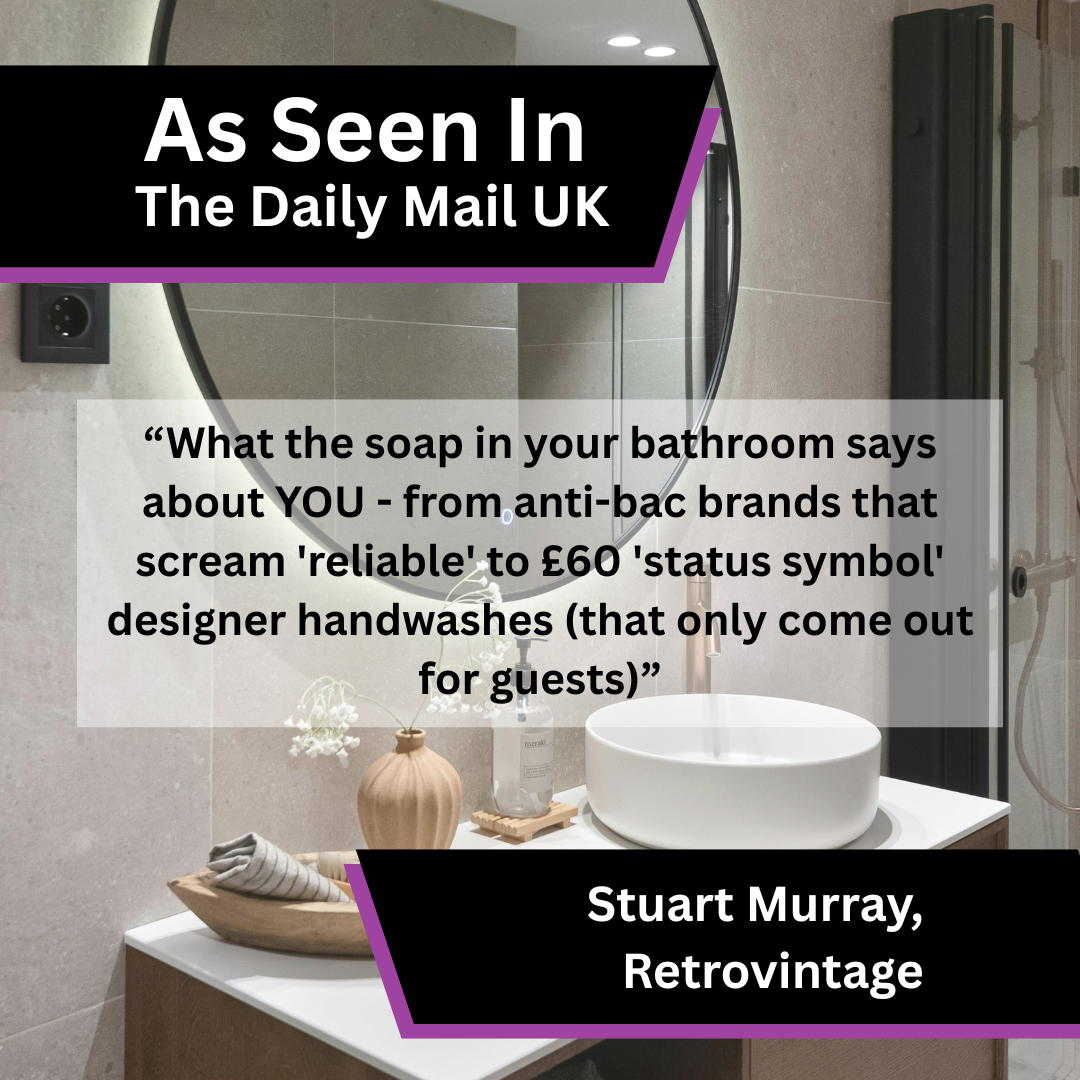
| The Daily Mail UK | 2026-05-20 | What your bathroom soap reveals about you | Read article |
| Country Living UK | 2026-05-28 | Popular antiques among younger people | Read article |
| Homebuilding & Renovating | 2026-06-12 | Advice on painting over textured wallpaper for UK painters/decorators | Read article |
| Country Living US | 2026-05-20 | Popular antiques among younger people | Read article |
| Homebuilding & Renovating | 2026-08-04 | 10 rules for getting mid-century design ideas right and the mistakes to always avoid | Read article |
| Ideal Home | 2026-10-22 | This rustic material is quietly taking over Christmas this year: interior design experts say it's perfect for creating a relaxed, cosy home | Read article |
Images from the coverage




What the work demonstrates
A vintage interiors specialist can have a much wider editorial role than introducing its products. Practical knowledge can help people understand trends, make decisions and avoid mistakes. Different journalists may use the same broad expertise in substantially different ways.
This is a transferable PR lesson, not a guarantee that any given firm will appear in the same publications. Publishers make their own editorial decisions. The archive also contains no verified attribution for sales, enquiries or rankings, so those outcomes are not claimed.
Results at a glance
| Result | Details |
|---|---|
| Client | Retrovintage |
| Campaign period | 12-month campaign |
| PR focus | Vintage furniture, antiques and interiors |
| Documented coverage | 29 individually linked editorial examples from the recorded archive; see publication dates above. |
Frequently asked questions
Can a vintage furniture business earn media coverage without a launch?
Yes. Genuine expertise about buying, decorating, restoration and design history may be useful in wider home and lifestyle journalism.
Does a story about vintage goods prove sustainability?
No. Environmental claims should be specific and supported; the age of an item does not automatically establish a net environmental benefit.
Do the recorded articles prove sales growth?
No. The records document editorial appearances. Sales, traffic or conversion effects would need separate, reliable measurement.
How does the same expertise fit different publications?
Editorial audiences need different things. A specialist design publication may want nuance about a style, while a general consumer title may focus on practical buying or decorating choices. The contribution needs to fit the actual question.
Can vintage interiors PR cover home improvements as well as furniture?
Yes, provided the source has genuine relevant experience. Articles about decorative finishes, historical influences, renovation decisions and second-hand purchases connect naturally, but the advice should stay within the specialist’s competence.
Could your expertise interest journalists?
Fair Public Relations helps founders, small businesses and specialists assess the genuine media potential of their expertise. We identify relevant questions, develop suitable angles and pursue editorial opportunities with honest expectations.
