

KindaFrugal| Andreas Jones
US personal-finance PR | Six-month campaign
The story
KindaFrugal is built around a recognisable challenge: making thoughtful decisions about money without treating every pleasure as a financial failure. Its website covers budgeting, savings, spending, lifestyle decisions and financial wellbeing.
Those subjects create a potential media platform because the questions readers ask about money are both everyday and deeply personal. How much do groceries cost? Which habits make an emergency fund harder to build? How can someone examine a credit or refinancing decision without taking unnecessary risks?
This case study looks at the editorial coverage associated with KindaFrugal and the wider lessons for personal-finance PR. It does not offer regulated financial advice, claim the business made investment recommendations or pretend that every historic article falls within the six-month service period.
The client and the objective
KindaFrugal publishes advice about balancing sensible spending with enjoyment. It is a useful subject for business-to-consumer PR because financial education can overlap with news, consumer service journalism, lifestyle and specialist finance reporting.
The objective was to make the brand's practical money perspective relevant to journalists in the US. Rather than send stories about the publisher itself, the approach was to identify real financial questions that a suitable contributor could help explain.
What makes finance PR different
Financial journalism frequently covers decisions with material consequences for readers. That demands careful language. A general observation about spending habits is different from recommending a specific loan, security or tax choice. Publication is not evidence of a commentator holding a regulated qualification.
The editorial approach therefore focused on relevant experiences and clear explanations. It identified accessible money topics that could be discussed honestly without promising results or turning an article into an endorsement.
Everyday budgets and the cost of living
Greenlight’s coverage of monthly grocery spending and its 50/15/5 budgeting framework addressed two related but different concerns. One helps readers think about the cost of essentials in their own household; the other considers how income might be divided between commitments, saving and discretionary choices. GOBankingRates then approached the everyday-spending question from another angle, asking when frequent small treats begin to affect a budget. That mix reflects KindaFrugal’s central subject: spending thoughtfully rather than simply treating every enjoyable purchase as wasteful. It allowed the brand’s practical money commentary to be associated with questions readers regularly face.
These are accessible starting points for money commentary because they touch on real decisions. The useful contribution is not a blunt instruction to stop enjoying life. It is to explain how repeated spending, essential costs and planned savings can interact, while acknowledging that households face very different circumstances.
Read the grocery-cost feature
Read the small-treats feature
Building financial resilience
The archive also connects with stories about emergency savings, seasonal spending and the financial pressure created by unexpected costs. An emergency fund, for example, has a different purpose from money deliberately reserved for holidays, gifts or regular household bills. That distinction is useful to explain to a journalist’s audience: a person may be budgeting carefully while still struggling with expenses that are irregular but entirely predictable. The subject lends itself to informative media work when the source acknowledges the limitations of generic saving formulas.
The strongest source contribution offers more than one slogan about saving. It can distinguish the purpose of an emergency fund from ordinary discretionary spending, explain the limitations of a rule of thumb and encourage readers to assess their actual financial position.
Read the Greenlight feature
Credit and borrowing questions
Credible’s article about being turned down for student-loan refinancing considered a specific borrowing problem, in which eligibility and the long-term cost of a loan matter more than an easy rule of thumb. BadCredit.org explored the use of insurance-related credit information and potential consequences for mortgage access. These topics have real financial implications, so a contributor’s role must be framed carefully. KindaFrugal’s wider budgeting perspective is relevant to consumer decision-making, but coverage should never be presented as proof that the business provides individually regulated mortgage or credit advice.
Both examples show the need to match the source's expertise with the story. A budgeting publication can be relevant to wider consumer-finance conversations, but a case study must not imply that all financial commentary amounts to personalised mortgage, lending or investment advice.
Read the student-loan refinancing feature
Read the credit-scoring feature
Financial expectations and attitudes
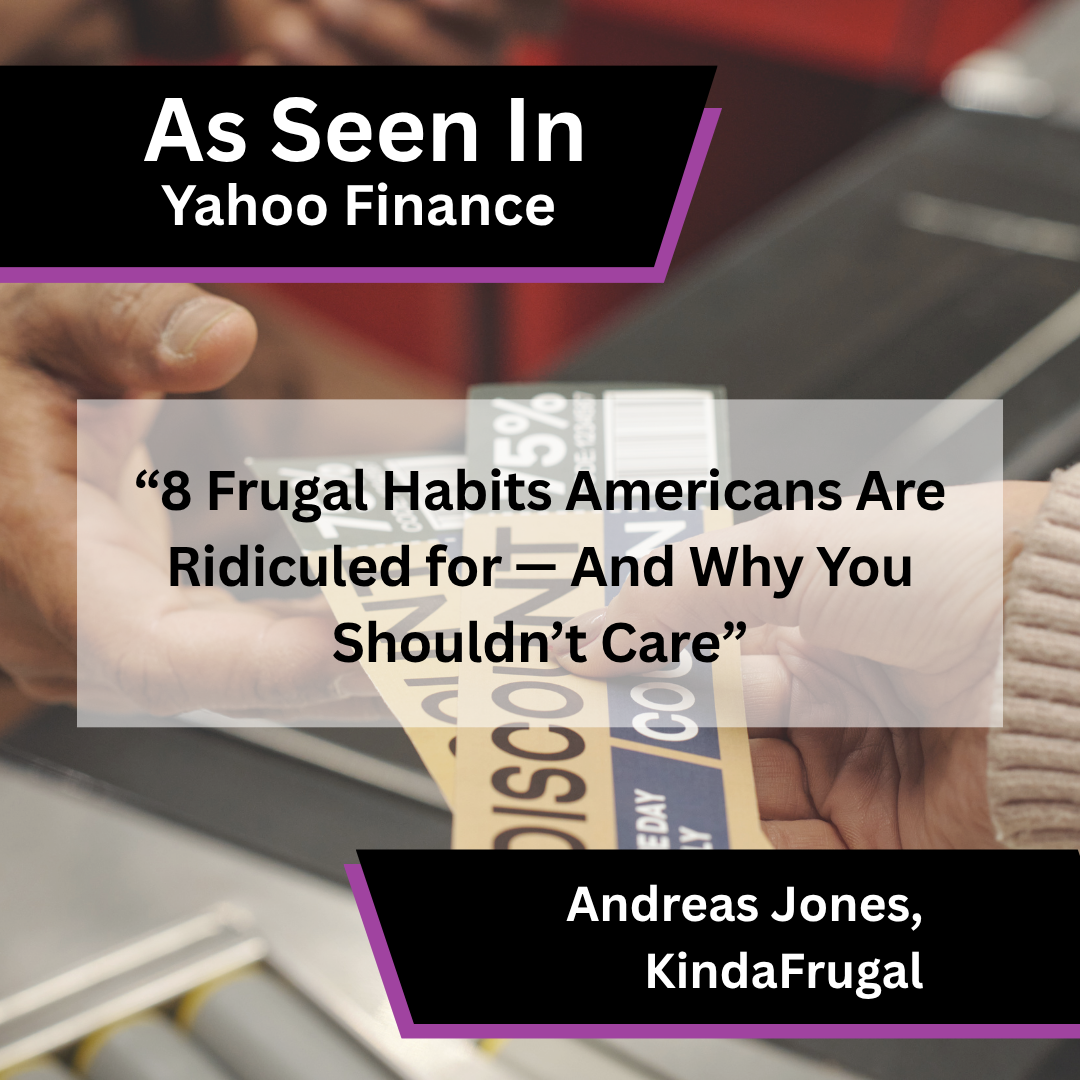
Nasdaq and GOBankingRates considered changing expectations about income and wealth, including predictions of what might constitute an upper-class salary in future. Yahoo Finance took a more personal perspective, looking at frugal habits that attract criticism despite sometimes being sensible choices. The contrast gives consumer-money commentary a human dimension. Readers are often comparing their finances with a social idea of success, and a good expert contribution can separate what is fashionable from what is affordable or sustainable for a specific household.
These are more reflective stories than straightforward budgeting guides. They demonstrate how a consistent money-and-lifestyle perspective can remain relevant when the journalist wants context rather than a list of tips.
Read the NASDAQ feature
Read the Yahoo Finance feature
Different consumer-money questions need different explanations
The articles associated with KindaFrugal are not interchangeable simply because they all concern money. Greenlight's guide to grocery costs deals with everyday household budgeting. Its explanation of the 50/15/5 approach discusses how people might distinguish commitments, savings and personal spending when thinking about a budget. Credible's refinancing article addresses a much more specialised decision, involving eligibility and the consequences of borrowing. The same editorial voice cannot provide identical advice to all three audiences.
This is an important distinction for personal-finance PR. A useful contribution begins with the question being asked and remains within the source's actual experience and competence. Budgeting habits are a very different subject from regulated credit advice. The public value of a comment is partly in recognising that boundary rather than offering a neat answer to every financial problem.
The archive also includes articles in Yahoo Finance, Nasdaq and GOBankingRates exploring how people think about their money, from frugal habits to the language of wealth and financial status. Those features show why personal-finance media can range from straightforward household guides to broader stories about attitudes and expectations. It is not enough to present somebody as a money expert and hope the title alone creates interest; the contribution needs to help the publication explain its chosen subject.
What an American consumer audience changes
A US-focused financial subject may use different products, consumer protections, education costs and savings terms from a UK article. That makes market relevance particularly important. An article discussing American student-loan refinancing, for example, cannot be used as a generic statement about UK borrowing rules. The case-study coverage demonstrates the opportunity to provide source-led explanations for an American readership, not an endorsement of any particular product.
For a business considering similar activity, the lesson is to distinguish the expert's actual knowledge from promotional claims. Editorial visibility can demonstrate a relevant public voice; it is not evidence that a reader changed banks, bought a product or became a customer. Any such commercial outcome would need a separate measure and a defensible method of attribution.
The results
The broader documented history includes 14 distinct linked editorial articles relevant to KindaFrugal, after duplicated and unsuitable entries are removed. The accompanying table makes the publication, original article and topic visible, allowing readers to judge the strength and relevance of the evidence for themselves.
The six-month campaign period and the longer historical source archive are not interchangeable. The linked examples demonstrate the breadth of recorded media appearances without claiming that every archived article was published during one six-month window.
The publication mix includes GOBankingRates, NASDAQ, Yahoo Finance, Credible, Greenlight and other consumer-money titles.
| Publication | Date | Article subject | Read |
|---|---|---|---|
| Greenlight | 2025-04-22 | Cost of groceries | Read article |
| AOL | 2025-05-09 | Avoiding a common financial mistake currently happening | Read article |
| Money As If | 2025-05-09 | Buying gold as an investment for Americans | Read article |
| Greenlight | 2025-05-09 | Emergency fund and 50/15/5 rule financial guidance | Read article |
| Yahoo Finance | 2025-05-10 | Frugal habits Americans mocked for, reasons to disregard criticism | Read article |
| NASDAQ | 2025-05-12 | Minimum salary to be upper class in 2030 | Read article |
| Money Marketing | 2025-07-07 | Networking tips for new financial planning professionals | Read article |
| NTD News | 2025-08-19 | Many Americans delay bill payments until due dates | Read article |
| GOBankingRates | 2025-08-21 | The $20 That Fixed My Budget More Than Any App Ever Did | Read article |
| BadCredit.org | 2025-08-28 | Mortgage and credit scoring professionals | Read article |
| Credible | 2025-09-26 | Student loan refinancing eligibility criteria | Read article |
| GOBankingRates | 2025-12-01 | Minimum net worth for upper class in 40s | Read article |
| GOBankingRates | 2025-12-14 | Wealthy people avoid wasteful spending during holidays | Read article |
| GOBankingRates | 2026-01-21 | Little treats harming your wallet's financial health | Read article |
Images from the coverage







What this demonstrates
A consumer-facing financial brand may be useful to journalists across several related subjects without dominating the headlines itself. Editorial credibility comes from accurate, relevant contributions to questions people already ask.
That visibility is not synonymous with a measured increase in traffic, subscribers, revenue or sales. The records establish published source material, not those commercial outcomes. They also do not prove the validity of any specific financial product or prediction.
Results at a glance
| Result | Details |
|---|---|
| Client | KindaFrugal |
| Campaign period | 6-month campaign |
| PR focus | Personal-finance expert PR |
| Documented coverage | 14 individually linked editorial examples in the archive table above. |
Frequently asked questions
Can a budgeting business gain coverage without commissioning research?
Yes. Credible commentary on a timely consumer question can support an editorial article, although statistics and claims still need appropriate sources.
Is this case study financial advice?
No. It records press appearances and the subjects of those articles. It is not personal investment, tax, lending, credit or debt advice.
Why does a money expert need to stay within their area of expertise?
Because a general budgeting observation and advice about a specific regulated financial product are not the same thing. Useful commentary should be supported by appropriate experience, make assumptions clear and avoid pretending a general article can answer a reader’s personal financial circumstances.
Does press coverage establish new subscribers?
No. Subscriptions and conversion changes require their own first-party evidence and attribution.
Could your expertise interest journalists?
Fair Public Relations uses a journalist-led approach to help founders and specialist businesses assess where their knowledge can contribute to real news and consumer reporting.
