
Food & Drink PR That Gets Consumer Brands Noticed
Journalist-led PR for food brands, drinks companies, alcohol brands and consumer products.
Food and drink is one of the most competitive consumer markets.
A great product matters, but consumers also need a reason to discover it, remember it and trust the brand behind it.
Fair Public Relations is a founder-led, journalist-led boutique PR agency helping food and drink businesses turn their products, founders, expertise, stories and ideas into credible earned media coverage.
We work with suitable consumer food and drinks brands, including packaged food products, alcohol brands, wine, spirits, beer, soft drinks, no and low alcohol, ingredients, gifting products and other consumer-facing food and beverage businesses.
Depending on your brand and media potential, a campaign may combine product PR, reviews, seasonal features, gift guides, expert commentary, founder stories, recipes, business news, data-led stories and reactive media opportunities.
The goal is to help more people discover your products, understand what makes your brand interesting and see credible third-party coverage around the business.
Several Ways to Build Food and Drink Visibility
Food and drink PR is not built around one single tactic. A strong consumer brand may have several different routes into the media. Depending on your products, founders, expertise, goals and media potential, your Standard PR campaign may include:
Product PR
For suitable food and drink products, we can pitch journalists and editors for editorial inclusion.
Potential opportunities may include:
product roundups
taste tests
buying guides
gift guides
seasonal features
new product coverage
drinks roundups
food recommendations
entertaining features
picnic and barbecue guides
Christmas features
Valentine's Day features
Mother's Day and Father's Day guides
summer food and drink content
party and celebration features
specialist food and drinks coverage
Product inclusion is earned and cannot be guaranteed.
Reviews and Product Testing
Some journalists want to try a product before deciding whether to feature it.
That might mean sending:
food samples
drinks
wine
beer
spirits
gift boxes
ingredients
snacks
sauces
packaged products
other consumer items
We can identify relevant opportunities and coordinate the PR side.
Providing a sample does not guarantee coverage.
The journalist or publication retains editorial control over whether anything is published and what they say.
Founder and Brand Stories
Food and drink brands often have strong stories behind them.
The founder may have:
created the product after identifying a personal problem
turned a family recipe into a business
changed careers to launch the company
built the brand from a kitchen or small production run
revived a traditional product
developed something inspired by their heritage
overcome a significant business challenge
spotted an underserved consumer trend
built a company around sustainability or sourcing
taken an unusual route into food or drink
Where the human story is strong enough, we can develop founder-led PR alongside product promotion.
Sharing Expertise
The people behind food and drink brands may also have useful expertise.
Depending on the business, that could include:
chefs
food producers
winemakers
brewers
distillers
sommeliers
Journalists may need experts to discuss food trends, cooking, entertaining, drinks, ingredients, shopping habits, consumer behaviour or seasonal topics.
That expertise can create media opportunities even when the product itself is not the main subject.
Recipes and Serving Ideas
Some food and drink products lend themselves naturally to useful editorial content.
That might include:
food entrepreneurs
drinks specialists
nutrition professionals where appropriately qualified
product developers
founders with specialist knowledge
recipes
cocktails
mocktails
serving suggestions
food pairings
wine pairings
seasonal dishes
Where appropriate, we can use these assets to give journalists another reason to consider the brand.
The strongest content is genuinely useful rather than simply placing the product name inside a recipe.
Business News
Food and drink brands can also generate genuine business stories.
Potential news might include:
entertaining ideas
baking ideas
barbecue recipes
picnic ideas
party drinks
Christmas recipes
launches
significant retail listings
expansion
new markets
partnerships
funding
acquisitions
We assess the wider editorial story rather than distributing every company announcement as news.
Data and Consumer Research
Food and drink companies can sometimes generate interesting consumer insight.
That may include:
new facilities
major appointments
export growth
original research
major business milestones
collaborations
substantial product developments
shopping habits
taste preferences
drinking habits
food trends
seasonal spending
consumer surveys
regional differences
Where the findings are credible and genuinely interesting, we can help turn them into journalist-friendly stories.
Interviews and Podcasts
Where suitable, we may also pitch founders, food experts and drinks specialists for interviews and podcasts.
These opportunities can work well for founders with:
an interesting business story
strong expertise
clear opinions
an unusual route into the industry
useful insight into consumer trends
a distinctive perspective on food or drink
We do not position Standard PR as a guaranteed podcast booking service.
Podcast and interview opportunities can form part of a wider campaign where there is a good fit.
changing dietary preferences
entertaining habits
purchasing patterns
gifting behaviour
product trends
original market research
What Is Food and Drink PR?
Food and drink PR is the process of turning your products, people, expertise, stories and business developments into earned media opportunities.
For consumer brands, the product itself can often be part of the story.
A journalist might be creating:
a best wines for Christmas feature
a roundup of barbecue sauces
a Mother's Day gift guide
a list of new drinks to try
a taste test
a picnic food feature
Your product may be suitable for direct inclusion.
But that is only one part of Food and Drink PR.
We also look at:
who founded the business
why the product exists
what expertise sits behind it
what trends you understand
what consumers are doing differently
what data you have
what stories exist within the business
what knowledge journalists could use
Sometimes the strongest PR opportunity is the product.
Sometimes it is the founder.
Sometimes it is a piece of expertise or data that gives the brand a much wider media story.
a cocktail article
a supermarket trends story
a feature about emerging food brands
a Christmas gifting guide
a story about changing drinking habits
Consumer Product Inclusion Can Be Part of Food and Drink PR
Food and drink is firmly within our B2C PR model.
That means we can pitch suitable consumer food and drink products for editorial inclusion.
Potential opportunities may include:
reviews
taste tests
product roundups
buying guides
gift guides
seasonal recommendations
food and drinks features
recipes
entertaining guides
shopping articles
trend features
This applies to suitable consumer food and beverage products, including alcohol.
However, pitching a product does not guarantee that it will be included.
Journalists decide:
what they feature
which brands they mention
which products they test
whether they publish
how they describe the product
whether they include a link
when the article appears
Our role is to identify suitable opportunities, pitch professionally and make it as easy as possible for journalists to consider the brand.
wine
beer
spirits
cocktails
liqueurs
cider
Alcohol PR
We can work with suitable consumer alcohol brands.
This may include:
premium drinks
independent drinks brands
gifting products
specialist drinks
no and low alcohol alternatives
drinks roundups
seasonal recommendations
Christmas guides
Father's Day features
Valentine's Day features
summer drinks
cocktail ideas
entertaining content
Depending on the brand, opportunities might include:
wine or drinks recommendations
gift guides
founder stories
drinks trends
expert commentary
product testing
business stories
Not every publication or journalist covers alcohol, and individual editorial policies vary.
We focus on appropriate publications and relevant editorial opportunities.
We also do not make unsupported claims about health or other product benefits simply to create a stronger media pitch.
Credibility comes first.
snacks
sauces
condiments
confectionery
bakery products
ingredients
meal products
gifting products
speciality foods
Food Product PR
Packaged food products can offer a wide range of potential media angles.
These may include:
premium products
food subscriptions
cooking products
pantry items
chilled products
frozen products
international food brands
independent food brands
The strongest strategy depends on the product.
A premium sauce may work well for barbecue and gifting features.
A specialist ingredient could be used in recipes and expert-led food content.
A snack brand might have opportunities around travel, lunchboxes or seasonal occasions.
A gifting product may have strong Christmas, Mother's Day or Father's Day potential.
We do not simply send the same pitch to every food journalist.
The angle needs to make sense for the product and the audience.
soft drinks
mixers
functional drinks where claims are appropriate
no alcohol drinks
low alcohol drinks
non-alcoholic spirits
alcohol-free beers
alcohol-free wines
premium soft drinks
specialist beverages
These brands may be relevant to:
Soft Drinks, No and Low Alcohol PR
Consumer drinking habits continue to create opportunities beyond traditional alcohol brands.
We can also work with suitable:
gifting
food pairing
consumer trends
founder stories
business coverage
health-conscious lifestyle coverage where appropriate
seasonal roundups
entertaining
Dry January
summer
Christmas
parties
As with all product PR, opportunities depend on the product, positioning, availability and editorial interest.
Food & Drink PR in Action
-
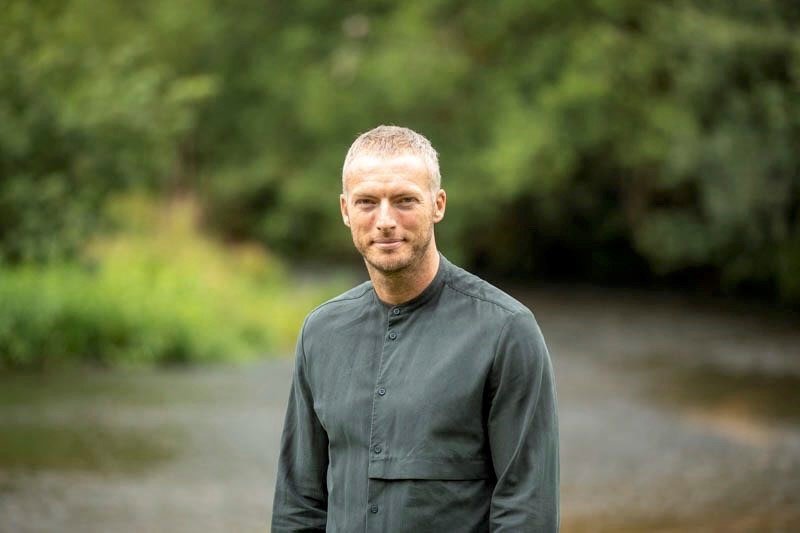
More than 80 published articles through chef-led expert PR
Harper Privé
Private chef and fine dining businessA two-year campaign positioned founder and qualified chef Dean Harper as a culinary media expert, generating more than 80 published articles and syndicated pieces across national, food, homes and lifestyle media.
-
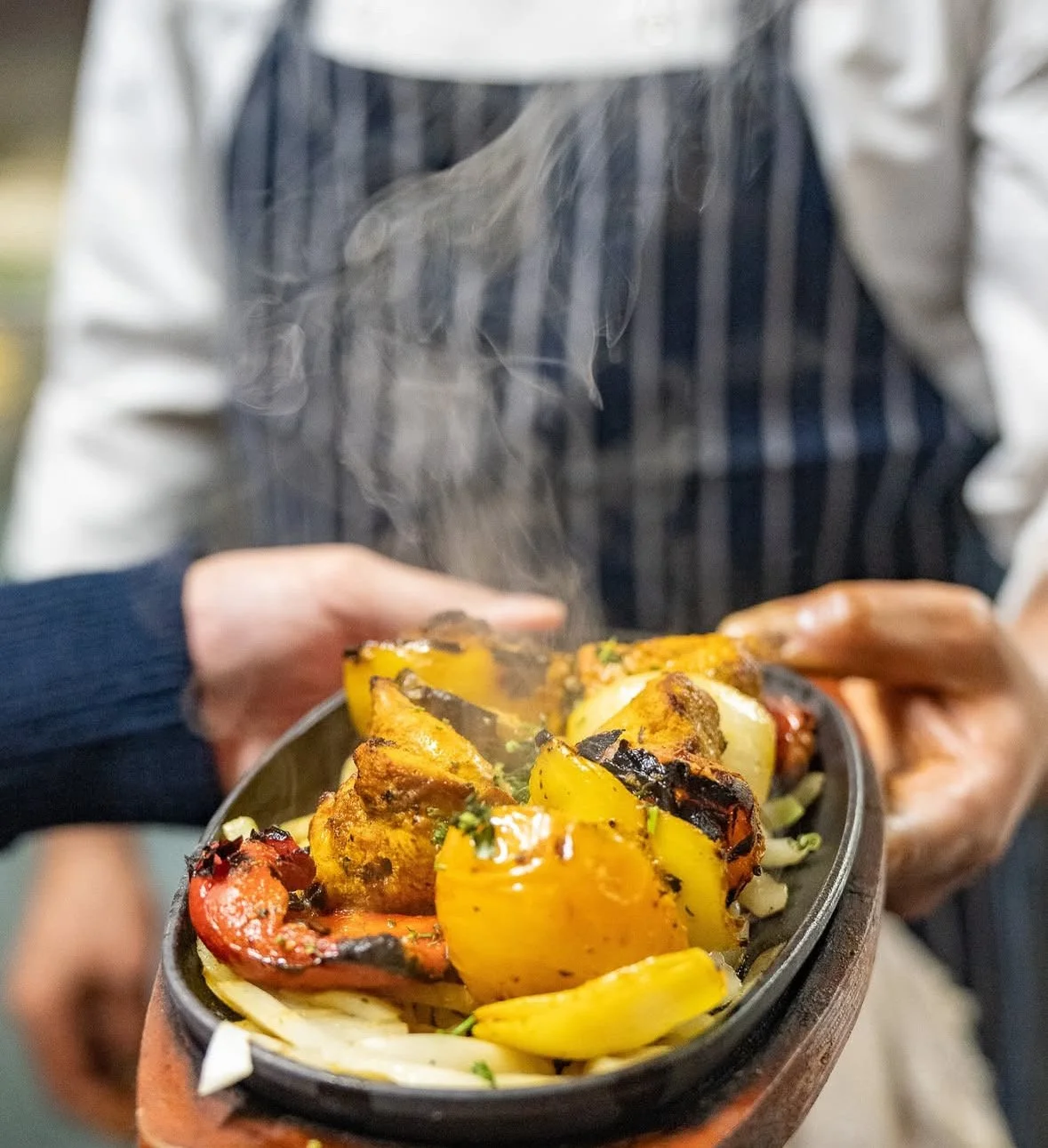
National food and hospitality visibility
Tower Tandoori
Restaurant and food businessFood, restaurant, founder and expert-led pitching generated media visibility across national and consumer publications, including titles such as The Guardian, The Independent, Daily Mirror and Daily Express.
Why PR Matters for Food and Drink Brands
Consumers have enormous choice.
Walk through a supermarket, browse an online retailer or open a food delivery app and you are surrounded by competing products.
Smaller brands are often competing with businesses that have much larger advertising budgets.
PR gives you another route to visibility.
Before buying, a consumer may:
Google the brand
search for reviews
look at social media
compare products
search for recommendations
look for media mentions
investigate the founder
check whether the brand appears established
ask AI tools about products or categories
look for independent validation
Earned media can contribute to that research.
Seeing your product featured by an established publication provides a different kind of credibility from seeing an advertisement placed by the brand itself.
PR does not guarantee that someone will buy.
But it can help create awareness and third-party proof around a product that consumers might otherwise never encounter.
Product PR Needs Strong Assets
Food and drink PR depends heavily on presentation.
Journalists need clear information and usable assets.
That may include:
high-resolution product photography
lifestyle photography
clean pack shots
accurate pricing
product descriptions
ingredients
stockist information
purchase links
availability
founder information
brand background
serving suggestions
recipes where relevant
product samples
quick responses
For food and drink, strong imagery is particularly important.
A journalist working on a gift guide or food feature may be considering dozens of products.
If the photography is poor, missing or unsuitable for publication, even a good product may lose an opportunity.
We will tell you when we think stronger assets are needed.
Samples Are Often Part of Food and Drink PR
Journalists frequently need to taste or experience food and drink products.
Samples may therefore form part of the campaign.
Where relevant, you may need to provide products to:
journalists
editors
reviewers
freelance writers
product testers
The cost of the product and delivery is not included within Standard PR.
Providing a sample does not guarantee coverage.
A journalist may decide:
not to feature the product
that it is not suitable for the article
to postpone the article
to use another brand
not to publish the planned feature at all
That is part of earned PR.
We will only recommend samples where there is a legitimate media opportunity or a sensible editorial reason for sending them.
Founder PR for Food and Drink Brands
Food and drink businesses can be particularly founder-led.
The person behind the brand often provides much of its character.
A founder may have:
developed the recipe
spent years perfecting a product
learned a craft from their family
created a product linked to their heritage
identified a gap in the market
left another career
built the company from home
overcome a major personal or business challenge
turned a hobby into a company
built the brand around a particular mission
Those stories can create media opportunities that would not exist if we focused only on the product.
Founder visibility can also help consumers feel a stronger connection to the business.
Expertise Behind Food and Drink Brands
Food and drink expertise can also create ongoing media opportunities.
Potential experts may include:
chefs
cooks
bakers
food producers
sommeliers
winemakers
brewers
distillers
food entrepreneurs
product developers
qualified nutrition professionals
ingredient specialists
hospitality experts
drinks specialists
cooking mistakes
food storage
entertaining
wine
cocktails
ingredients
seasonal recipes
food trends
food pairings
consumer behaviour
hosting
supermarket trends
changing drinking habits
food myths
product trends
Journalists may need help with stories such as:
Where your expertise genuinely fits, we can position your spokesperson as a useful source.
Your Expertise, Packaged for the Media
Where appropriate, clients may be added to our Expert Directory.
A media-ready expert profile might include:
name and title
brand
professional background
credentials
food or drink expertise
specialist ingredients
industry knowledge
thought leadership themes
topics they can discuss
location
website
LinkedIn
media room
availability for journalist requests
The Expert Directory does not replace active pitching.
It helps journalists understand who your experts are and how they may be useful.
Who Food and Drink PR Is For
Our approach can work with consumer food and drink businesses that have genuine media potential.
This may include:
packaged food brands
alcohol brands
wine brands
beer brands
spirits brands
cider brands
soft drinks
no and low alcohol brands
speciality food businesses
snack brands
confectionery brands
sauces and condiments
food gifting businesses
premium food products
independent drinks brands
beverage brands
ingredient brands
subscription food products
e-commerce food and drink brands
founder-led food businesses
established food and drinks companies
consumer brands launching into the UK, US or Canada
You do not need to be stocked in every major retailer.
You do need a viable product, strong enough assets and something journalists or their audiences may genuinely find interesting.
Christmas
New Year
Dry January
Valentine's Day
Mother's Day
Easter
Father's Day
summer
barbecue season
picnic season
Seasonal Food and Drink PR
Food and drink media is highly seasonal.
Planning ahead matters.
Potential opportunities may revolve around:
wedding season
back to school
Halloween
Bonfire Night
Thanksgiving where relevant
Black Friday
gifting periods
major sporting events
national food and drink days
seasonal ingredients
Many print publications work significantly ahead of the consumer calendar.
A Christmas feature may be planned months before December.
Other opportunities can appear very quickly online.
We look at both longer-lead editorial planning and reactive opportunities.
How We Turn Food and Drink Brands Into PR
We start by understanding the whole brand.
What is the product?
Who buys it?
Why was it created?
What makes it different?
Where can people buy it?
Is the pricing realistic for the media opportunities we are targeting?
What photography do you have?
Can you provide samples?
Who founded the business?
What expertise sits behind the product?
What consumer trends can you speak about?
What stories exist around the brand?
What data do you have?
What occasions naturally suit the product?
What do you want to become known for?
Every Standard PR campaign includes journalist-led strategic thinking, angle development, media positioning and a Founder & Authority Positioning Session.
Depending on the campaign, this can include:
identifying the strongest product opportunities
developing seasonal angles
pitching gift guides
pitching product roundups
identifying review opportunities
coordinating journalist samples
developing recipes or serving ideas
positioning founders
creating expert profiles
developing food or drink commentary
responding to journalist requests
monitoring consumer trends
developing data-led stories
promoting genuine business news
developing founder stories
pitching interviews
exploring podcast opportunities where suitable
following up with journalists
monitoring coverage
strengthening the brand's media positioning over time
We handle the PR strategy, writing, pitching and follow-up.
You provide the products, information, approvals, assets and expertise that make the campaign possible.
Good Food and Drink PR Is More Than Saying Something Tastes Good
A journalist does not need a press release telling them that your product is delicious.
They need a reason their audience should care.
That might be:
an entertaining idea
a new way consumers are behaving
expert insight
a distinctive product format
an interesting business story
a timely cultural moment
a seasonal occasion
an emerging trend
an unusual ingredient
a strong founder story
a surprising piece of data
a useful recipe
Our job is to find that editorial reason.
The product then becomes part of a story rather than simply an advertisement.
Responsible Food and Drink PR
Credibility matters.
We do not recommend making exaggerated or unsupported claims simply because they sound stronger in a pitch.
That is particularly important around subjects such as:
health
nutrition
ingredients
wellbeing
product benefits
sustainability
alcohol
scientific claims
Where specialist expertise is required, the spokesperson should have appropriate knowledge or credentials.
Good PR should build trust in the brand.
It should not create short-term attention by making claims the business cannot reasonably support.
Food and Drink PR for SEO and Search Visibility
Consumers frequently search online before trying an unfamiliar food or drink brand.
PR and SEO are different disciplines, but earned media can contribute to a stronger online presence.
Coverage may help:
create additional references to your brand
expand branded search results
create editorial backlinks where publications choose to link
associate your company with relevant categories
create independent third-party proof
provide reviews or recommendations people can discover
create a wider digital footprint around your founders
strengthen your wider brand authority
Not every publication will link to your website.
We cannot guarantee backlinks.
We cannot guarantee Google rankings.
However, a strong body of editorial coverage can complement SEO and wider brand-building activity.
Food and Drink PR for AI Search and AEO
Consumers are also starting to use AI tools to discover products and research brands.
Someone might ask:
which wine to buy for a particular occasion
what products exist within a category
which food brands are worth considering
which products have been reviewed
what experts recommend
which brands make a particular type of product
No PR agency can guarantee that an AI tool will recommend your product.
However, creating a stronger body of credible third-party information around your brand can support wider digital discoverability.
Earned media can contribute external references to:
your brand
products
founders
experts
categories
media coverage
industry relevance
We sometimes refer to this broader objective as AEO, or Answer Engine Optimisation.
We cannot guarantee that ChatGPT, Google AI Overviews, Gemini, Perplexity or another platform will cite or recommend your brand.
Our role is to help build credible visibility across the wider web.
Food and Drink PR Can Have Long Lead Times
Consumer PR can sometimes move very quickly.
A journalist may need a product recommendation that afternoon.
A digital editor may be compiling a roundup going live within days.
But food and drink PR can also have long lead times.
Magazine features may be planned months in advance.
Christmas gift guides often begin well before the festive season.
Product testing may take time.
A freelance journalist may submit an article long before an editor publishes it.
A sample may be requested for a future feature without a confirmed publication date.
That means there is no fixed gap between pitching and coverage.
Some opportunities publish quickly.
Others can take weeks or months.
We believe it is better to explain that clearly than create unrealistic expectations about when coverage should appear.
Optional Advertorial, Sponsored and Commercial Opportunities
Some food, drink, lifestyle and specialist publications also offer paid advertorial, sponsored content, commercial reviews or other partnership opportunities.
These are not included within Standard PR and are not required to work with us.
Our core service focuses on earned media.
However, for brands with an additional marketing budget, carefully selected commercial opportunities can sometimes complement a wider marketing strategy.
Potential opportunities may include:
sponsored features
advertorial
paid product features
sponsored gift guides
commercial interviews
publication partnerships
other paid media opportunities
Where we become aware of something we think could genuinely be useful, we can flag it to you.
We can also help you assess whether we think it is worth considering.
Any media payment is made directly to the publication or commercial provider. The media fee does not go to Fair Public Relations.
You decide whether you want to proceed.
An additional media budget is completely optional.
You can decline every paid opportunity and continue with your earned PR campaign.
We will always make it clear whether an opportunity is earned or paid.
Earned Coverage and Paid Coverage Are Different
Earned media is coverage a journalist or editor chooses to publish because they consider your product, story, expertise or information useful to their audience.
Paid media exists because the brand has purchased a commercial opportunity.
Both may have a role within a wider marketing strategy.
They are not the same thing.
We do not present advertorial or sponsored content as earned PR.
Transparency matters.
brand awareness
product discovery
founder visibility
consumer trust
credibility
product launches
media logos and proof points
retailer conversations
gifting visibility
What Food and Drink PR Can Support
Food and drink PR can help support:
seasonal awareness
branded search presence
editorial backlinks where publications choose to link
SEO
AI and search visibility
social media content
wider digital visibility
partnership conversations
brand recognition
Coverage can also be used throughout your wider marketing.
A gift guide mention can become social media content.
A review can be shared with retailers.
A media logo can strengthen your website.
A founder article may support your LinkedIn profile.
An expert quote can reinforce the authority behind the brand.
A consumer searching your product may encounter independent media coverage before deciding whether to buy.
That is where PR can continue creating value beyond the original publication.
What Food and Drink PR Can and Cannot Do
PR can help increase visibility and build credibility around a consumer brand.
It can create opportunities for suitable products to be considered by journalists.
It can build a stronger public profile around founders and experts.
It can support wider search and brand visibility.
But PR cannot guarantee:
a particular publication
a fixed number of articles each month
product inclusion
reviews
positive reviews
gift guide inclusion
that every sample will generate coverage
that every article will include a backlink
Google rankings
AI citations
retail listings
website traffic
sales
revenue
partnerships
a particular commercial outcome
PR is earned.
The final editorial decision belongs to the journalist or publication.
We control the strategy, ideas, writing, pitching, follow-up and communication.
We cannot control what independent media ultimately decide to publish.
Is Food and Drink PR Right for You?
Our approach could be a good fit if:
you have a consumer food or drink product
your products are readily available
you have professional photography
you can provide samples where appropriate
you want wider brand awareness
your founder has an interesting story
you are willing to collaborate
you understand product inclusion is not guaranteed
you want media coverage that supports wider marketing
you are comfortable with PR building over time
you have realistic expectations around earned media
your business has useful expertise
It may not be the right fit if:
you require guaranteed product placement
you want guaranteed reviews
you need every sample to produce coverage
you require a particular publication
your products are unavailable
you cannot provide usable media imagery
you only want backlinks
you expect instant results
you want guaranteed retail listings
you expect PR to guarantee sales
you want paid placement presented as earned media
If we do not think we can help, we will tell you.
Why Fair Public Relations for Food and Drink Brands?
Fair Public Relations was established in August 2015 to provide experienced, journalist-led boutique PR without the inflated retainers and impersonal structures associated with many traditional agencies.
We help founders, experts, small businesses and growing brands turn what they know, make, sell and stand for into meaningful earned media coverage.
Fair Public Relations is led by Founder Jordan Baker, a former UK national journalist with more than a decade of PR experience.
Jordan’s career has included working with internationally recognised brands, organisations and public figures, including Amazon, Jameson Whiskey, Dolce & Gabbana, the UK House of Commons, Joan Collins and Britney Spears.
Fair PR supports clients across the UK, US and Canada.
Clients work with a dedicated PR team, headed by Jordan and supported by experienced PR professionals, writers and former journalists.
We help:
shape positioning
identify product opportunities
develop media angles
prepare product information
identify seasonal hooks
develop founder stories
position experts
draft commentary
pitch journalists
coordinate media opportunities
follow up
monitor coverage
keep campaigns moving
Clients also have a WhatsApp group with the team and access to a client portal where they can track pitching, activity, coverage and updates.
We are honest about what we think has media potential.
If your product photography needs improving, we will tell you.
If we think your founder story is stronger than a direct product pitch, we will explain why.
If we think a proposed angle is unlikely to interest journalists, we will say so.
And if we do not believe there is enough media potential for us to help, we would rather tell you before you spend money with us.
Personal, Relationship-Led PR
Food and drink brands are not interchangeable.
A wine brand needs a different PR strategy from a snack company.
A premium spirits company should not be pitched like a family food brand.
A sauce company has different seasonal opportunities from a soft drink.
An alcohol-free brand may have different media moments from a traditional beer company.
We take time to understand:
your products
your consumers
your founder
your brand story
your ingredients
your positioning
your pricing
your stockist
your availability
your photography
your expertise
your goals
your competitors
your seasonal opportunities
the subjects you want to become known for
That helps us build a campaign around the real media potential within the business.
Our technology and internal systems help us stay organised and responsive, but the strategy, relationships, writing and final PR work remain human-led.
AI supports the process. Humans do the PR.
Standard PR
Food and Drink PR is delivered through Standard PR.
£797, US$997 or CAD$1,497 per month.
Standard PR starts with a three-month initial commitment.
After that, it continues month to month with one full billing-cycle notice.
Depending on your goals and media potential, your campaign may include:
product roundup pitching
reviews and product testing opportunities
gift guide pitching
seasonal pitching
expert commentary
founder visibility
recipes and serving ideas
business news
data-led PR
founder stories
reactive journalist opportunities
proactive media pitching
interviews
podcast opportunities where suitable
ongoing media positioning
Coverage is earned and cannot be guaranteed.
Products, samples, postage, complimentary experiences and optional commercial media costs are separate where required.
Still Have Questions? We’ve Got You
-
Food and Drink PR is the process of using products, founders, expertise, recipes, business stories, consumer trends and other media angles to generate earned visibility for food and drinks brands.
-
Our model can work with packaged food brands, snacks, sauces, condiments, ingredients, confectionery, gifting products, speciality foods and other consumer food businesses with genuine media potential.
-
Yes.
We can work with suitable wine, beer, spirits, cider and other consumer alcohol brands where there are appropriate editorial opportunities.
-
Yes.
No alcohol and low alcohol products can be pitched through suitable consumer, drinks, lifestyle, seasonal and trend-led opportunities.
-
Yes.
We can work with suitable soft drink, mixer and other consumer beverage brands.
-
Yes.
Unlike B2B product PR, direct consumer product inclusion can form part of our Food and Drink PR campaigns.
This may include roundups, gift guides, reviews, taste tests and other suitable editorial opportunities.
-
No.
Product inclusion is an editorial decision and cannot be guaranteed.
-
No.
Providing a product to a journalist does not guarantee that they will review it or publish an article.
-
Often, yes.
Food and drinks journalists may need to taste or test products before deciding whether to feature them.
We will explain when samples are required.
-
The client provides the product and covers any relevant delivery costs.
These costs are separate from Standard PR.
-
Yes, where the product and publication are suitable.
Alcohol brands may have opportunities around Christmas, Father's Day, Valentine's Day, celebrations and other relevant occasions.
-
Potentially.
Where a product naturally lends itself to recipes, cocktails, food pairing or serving ideas, these can form part of the wider PR strategy.
-
Yes.
Where the founder or another member of the team has credible food, drink, hospitality or business expertise, expert commentary can form part of the campaign.
-
Yes.
Founder journeys and personal stories behind the brand can create useful media opportunities where there is a strong editorial angle.
-
Yes, where there is a genuine story.
This may include significant expansion, partnerships, retail listings, funding, acquisitions, research and major business milestones.
-
Potentially.
Original and credible consumer data can create strong PR stories where it reveals something useful, surprising or timely.
-
Depending on the brand and story, we may pitch national newspapers, consumer websites, food and drinks media, lifestyle publications, gifting titles, business publications, regional media and specialist publications.
-
There is no fixed timeline.
Reactive online opportunities can move quickly, while print features, product testing and seasonal guides may be planned weeks or months ahead.
-
No.
PR is earned and the final editorial decision belongs to journalists and publications.
-
No.
Some publications link to brands and products. Others do not.
Editorial backlinks can be a useful benefit but cannot be guaranteed.
-
PR can complement SEO by creating third-party brand references and editorial backlinks where publications choose to link.
We cannot guarantee rankings or specific SEO results.
-
Earned media can contribute to a larger body of third-party information around your brand, products and experts.
That may support wider search and AI discoverability, but we cannot guarantee citations or recommendations from any AI platform.
-
Coverage can contribute to discovery, trust and awareness, and some articles may generate traffic or sales.
However, we cannot guarantee sales or a particular commercial return.
-
No.
Paid media opportunities are completely optional and Standard PR does not depend on buying coverage.
-
Any media payment goes directly to the relevant publication or commercial provider.
The media fee does not go to Fair Public Relations.
-
We handle strategy, writing, pitching and follow-up.
You may need to provide product information, approvals, photography, samples, recipes, expert insight or founder input depending on the opportunity.
-
Our Standard PR service costs £797 per month for UK clients, US$997 per month for US clients and CAD$1,497 per month for Canadian clients. It begins with an initial three-month commitment and then continues month to month with one full billing-cycle notice.
-
Tell us about your products, customers, founders, availability and objectives.
We will assess the product, positioning, assets, expertise and stories within the business and give you an honest view of where we think the strongest PR opportunities are.
-
Get in touch and tell us about your products, brand, founder and goals.
We will review your media potential and explain what we think is realistic.
Want more detail?
You can read our full FAQs for more information on how we work, reporting, approvals, AI, media contacts and what to expect from earned coverage.
Ready to Build Your Food or Drink Brand?
If your business has a strong consumer food or drink product, credible expertise, an interesting founder or a story worth telling, PR can help turn those assets into wider media visibility.
We can pitch products for suitable reviews, gift guides and roundups, develop seasonal stories, position founders and experts, create food and drink angles and respond to relevant journalist opportunities.
We will also be clear about the limitations.
Sending a sample does not guarantee coverage.
Product inclusion and reviews cannot be guaranteed.
We cannot guarantee articles, backlinks, rankings, AI citations, retail listings or sales.
Optional paid media opportunities can sometimes complement a wider marketing strategy, but they are not required and any media fee goes directly to the relevant publication or provider.
Food and Drink PR is delivered through Standard PR.
Get in touch and tell us about your brand, products and goals. We will let you know where we think the strongest PR opportunities are and whether Fair is the right fit.