

Remote Recruitment
B2B and recruitment expert public relations
Remote Recruitment demonstrates a practical approach to a crowded professional-services media market. Instead of asking journalists to introduce another recruitment business, the campaign centred on the questions editors and employers were already discussing: remote work, international staffing, hiring practices, the future of work and the challenges of scaling a team.
The client
Remote Recruitment connects UK employers with South African remote professionals. Its founder Emily van Eyssen describes the business as a way to make capable South African talent accessible to British companies while creating meaningful opportunities for applicants. The business operates in a complicated space where media reporting routinely intersects with employment practices, global hiring, salary costs, recruitment technology and business management.
That context makes recruitment an unusually rich subject for expert commentary, but also raises the editorial bar. A hiring business has to show why its experience matters to readers who are weighing their own staffing decisions. General claims about flexible working or recruitment being important are not a story. A concrete employer question, a clear trend, or an informed perspective can be.
The communications objective
The purpose was to make Remote Recruitment visible beyond its own commercial website. It needed to reach UK founders, management teams, HR professionals and business editors by demonstrating knowledge that could help those audiences make better decisions. Establishing Emily as a useful commentator on scaling and remote hiring would offer a credible connection between the company's service and stories that journalists were already researching.
This is different from purchasing placement or submitting a broad advertorial. The editorial value lies in the experience or perspective being offered, while journalists remain independent over inclusion, editing and prominence. The campaign record shows this approach appearing in both broad business outlets and sector-specific publications.
Planning the angles around the publication
The most commercially direct opportunity came from questions about building and scaling distributed teams. An Entrepreneur UK article focused on remote success and scaling globally with a personal touch. That offered a way to discuss international hiring as a strategic business decision rather than a cheap-labour shortcut. The value of that coverage is the fit between the publication's readership and Remote Recruitment's proposition.
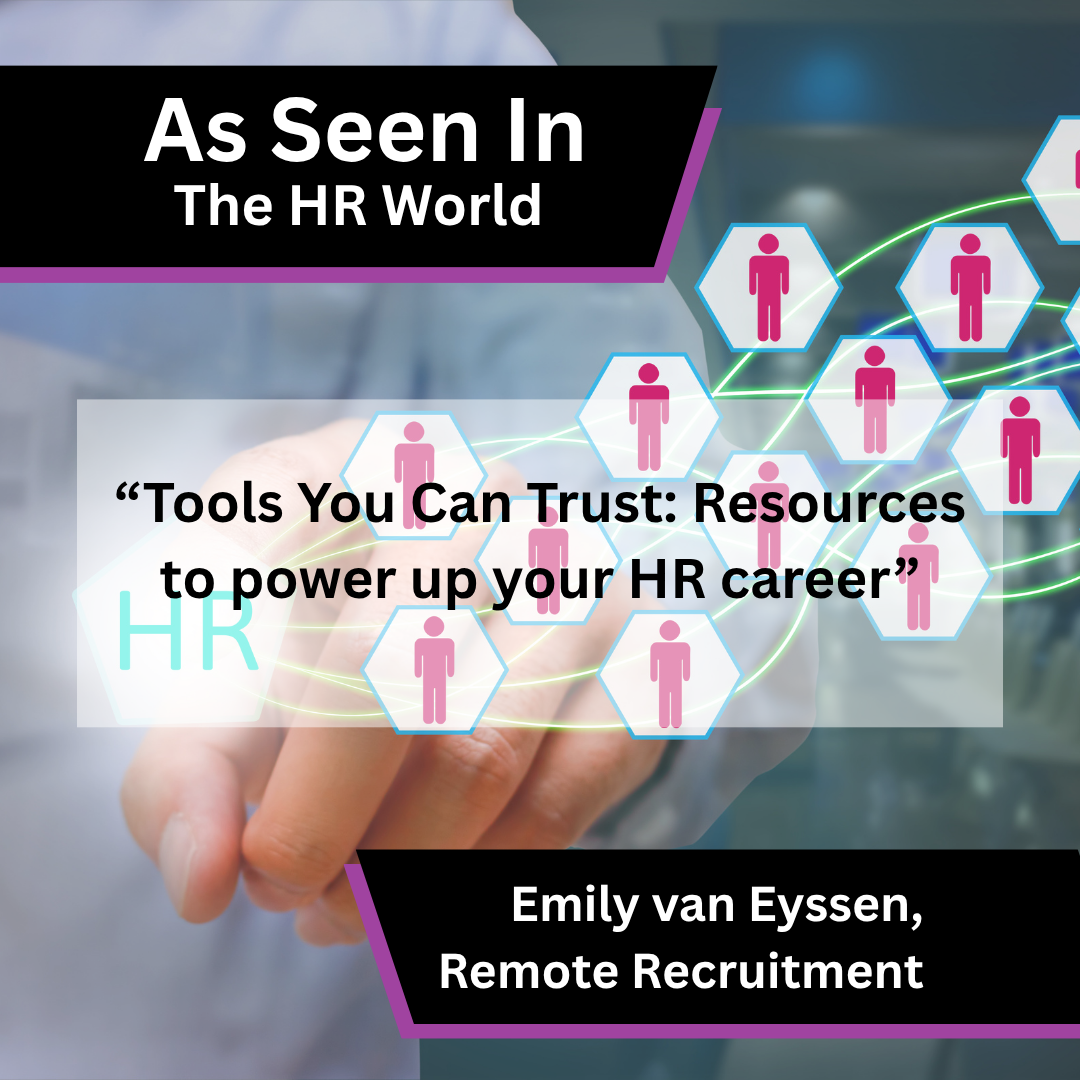
A second route was specifically HR-led. The HR World carried commentary about trusted resources and professional development. Employee Benefits covered pay transparency. HR Grapevine addressed imprecise language in job adverts. These are not identical subjects, but they share a clear professional audience and establish relevance to the systems and choices employers use when recruiting people.
The recorded publication in HR Grapevine is particularly useful because it shows how day-to-day hiring language can become an editorial story. Vague buzzwords in vacancy adverts are a real employer problem. A specialist recruitment firm can speak to what candidates need to understand and how companies can communicate more clearly without treating the article as a sales pitch.
From hiring practice to broader business commentary
TechRound included Remote Recruitment in coverage of AI startups, discussion of the spring Budget and advice for entrepreneurial mothers. The first two routes connect hiring and scaling decisions to questions founders encounter when planning businesses. The third sits closer to founder experience and entrepreneurship. Together they show that the company did not have to depend solely on technical HR publications.
That variety matters strategically. Some coverage is best suited to experienced HR readers; other opportunities bring the company into conversations among smaller-business owners and founders who may not yet be searching for external recruitment support. A strong B2B campaign needs both credibility in the specialist sector and the ability to explain its subject outside industry jargon.
Communicating with employers, HR teams and readers
HRO Today EMEA featured material about assessment approaches, while Croner-i covered customer retention strategies. The latter is less directly linked to recruitment, so it should not be oversold as evidence of a recruitment story. It can, however, show the wider management and business-advice context in which an experienced founder or business operator may be used as an editorial source.
The coverage mix also illustrates an important distinction. Publication count on its own says little about whether a campaign is useful to a client. One highly relevant feature read by potential customers in a specialist trade publication can be commercially meaningful even when a general-interest feature has a larger audience. The case study therefore records both the total number of linked articles and the types of readers those outlets plausibly serve, without asserting unmeasured enquiries or sales.
Using the founder's experience responsibly
Emily van Eyssen's public biography describes a background in building businesses and an interest in connecting South African professionals with UK employers. That experience can inform workplace and entrepreneurship commentary, but it is not a licence to present company marketing claims as independently proven research. Any figures used about workforce costs, placements or hiring outcomes must be sourced to the client and labelled appropriately if they are business-reported.
The campaign's strongest proof does not require us to reproduce all such figures. It is the existence of attributable editorial appearances in established industry and business publications, each linked to a recorded article. This is a more durable and transparent way to explain the PR result.
The results
Across the historical Published Press record, nine entries have article links, spanning TechRound, The HR World, Entrepreneur UK, Employee Benefits, HRO Today EMEA, HR Grapevine and Croner-i. The dates cover roughly the three-month period supplied. No duplicate URL appears in this source set, although articles on overlapping topics should not be represented as nine separate original campaigns.
Seven of the source records were marked for selected press imagery. Those seven examples are listed separately in the internal implementation material and must not be confused with the full nine-row historical results table. The two non-selected rows remain in the historical results table, because an editorial gallery is not the same thing as an article inventory.
| Publication | Date | Article | Read Article |
|---|---|---|---|
| TechRound | 2025-03-10 | AI startups innovate and thrive strategies | Read article |
| The HR World | 2025-03-20 | Best resources, qualifications, programmes and tools for HR career development | Read article |
| TechRound | 2025-03-26 | Spring Budget discussion by founders and C-suite executives | Read article |
| Entrepreneur UK | 2025-04-03 | Remote Success: Scaling Globally with a Personal Touch | Read article |
| Employee Benefits | 2025-04-03 | Employee benefits pay transparency feature | Read article |
| TechRound | 2025-04-03 | Mumpreneurs giving advice to other mums in business | Read article |
| HRO Today EMEA | 2025-06-04 | HR, suppliers and case studies using online recruitment assessments | Read article |
| HR Grapevine | 2025-06-04 | Job ads often contain vague buzzwords | Read article |
| Croner-i | 2025-06-06 | Customer retention strategies for transforming first-time buyers into advocates | Read article |
Images from the coverage


Why the result is useful
The campaign offers a repeatable lesson for B2B brands: specialist knowledge becomes more valuable to journalists when it is translated into an immediate business question. International recruitment was one relevant theme, but pay transparency, recruitment language, founder scaling decisions and workplace practice all offered different editorial routes.
The resulting coverage provides independently attributed media examples and evidence that the business participated in real conversations across its sector. It does not establish that media activity directly produced a particular number of hires, customers, backlinks, search rankings or sales. Those outcomes would need separate data before being claimed.
Results at a glance
| Result | Details |
|---|---|
| Campaign period | Three months |
| Editorial approach | Remote hiring, founder experience, recruitment and workplace practice |
| Linked media appearances | Nine unique archived article URLs |
| Notable outlets | Entrepreneur UK, HR Grapevine, HRO Today EMEA, Employee Benefits and The HR World |
Frequently asked questions
Can recruitment companies generate news without announcing new jobs?
Yes. Hiring trends, founder experience, remote work, recruitment practices, salary transparency and business management questions can all be relevant if an expert provides meaningful evidence or commentary. Journalists still decide what merits publication.
Does B2B PR only mean trade press?
No. Specialist HR publications can reach the most directly relevant professionals, while wider business outlets can introduce expertise to founders and executives considering staffing decisions. Both can play useful but different roles.
What results were documented during the Remote Recruitment campaign?
The supplied three-month engagement corresponds to a historical archive of nine separately linked media records. The case study reports those publications and dates, not a speculative tally of enquiries or commercial return.
Could your organisation's expertise help journalists explain a workplace issue?
Fair Public Relations works with businesses and specialists to identify useful, evidence-led angles for independent publications. Our approach is designed around real editorial needs rather than guaranteed articles or paid links.
