

Leigh Noren Coaching & Therapy
Therapy, relationship advice and expert-commentary PR
A therapist can bring valuable evidence-based insight to intimate subjects, but media interviews about desire, sexuality and relationships also demand a sensitive, practical approach. Leigh Norén's media archive illustrates how specialist sexology knowledge can be translated into useful reader-facing stories, without reducing the subject to sensational headlines.
Jordan confirms a three-month engagement. The associated Published Press archive contains 12 recorded entries and 12 distinct article URLs, dated 2025-01-17 to 2025-12-11. These dates span longer than the three-month engagement. The complete historical archive is shown transparently, not falsely attributed to a single three-month window.
The client
Leigh Norén is a sex therapist, sexologist and relationship coach. Her website describes an MSc in Sexology and a practice focused on desire, sexual wellbeing, communication and reducing the shame or pressure that can surround intimacy. Her services include online therapy, coaching, courses and practical resources for individuals and couples.
The communications objective
The press opportunity was not simply to advertise private therapy. It was to establish Leigh as a knowledgeable source for editors seeking clear and compassionate commentary on questions readers find awkward to discuss: changing desire, how couples communicate, intimacy in long-term relationships, sexual confidence and what common online trends may mean in practice.
How the media approach worked
A useful media angle needs a question readers already recognise and an answer grounded in real expertise. We used Leigh's subject knowledge as an editorial resource across lifestyle, relationships, women's wellbeing and general-interest news. A specialist can reach considerably wider audiences when the material is explained accessibly, while retaining important distinctions between educational commentary and personal therapeutic advice.
Mainstream relationship and lifestyle coverage
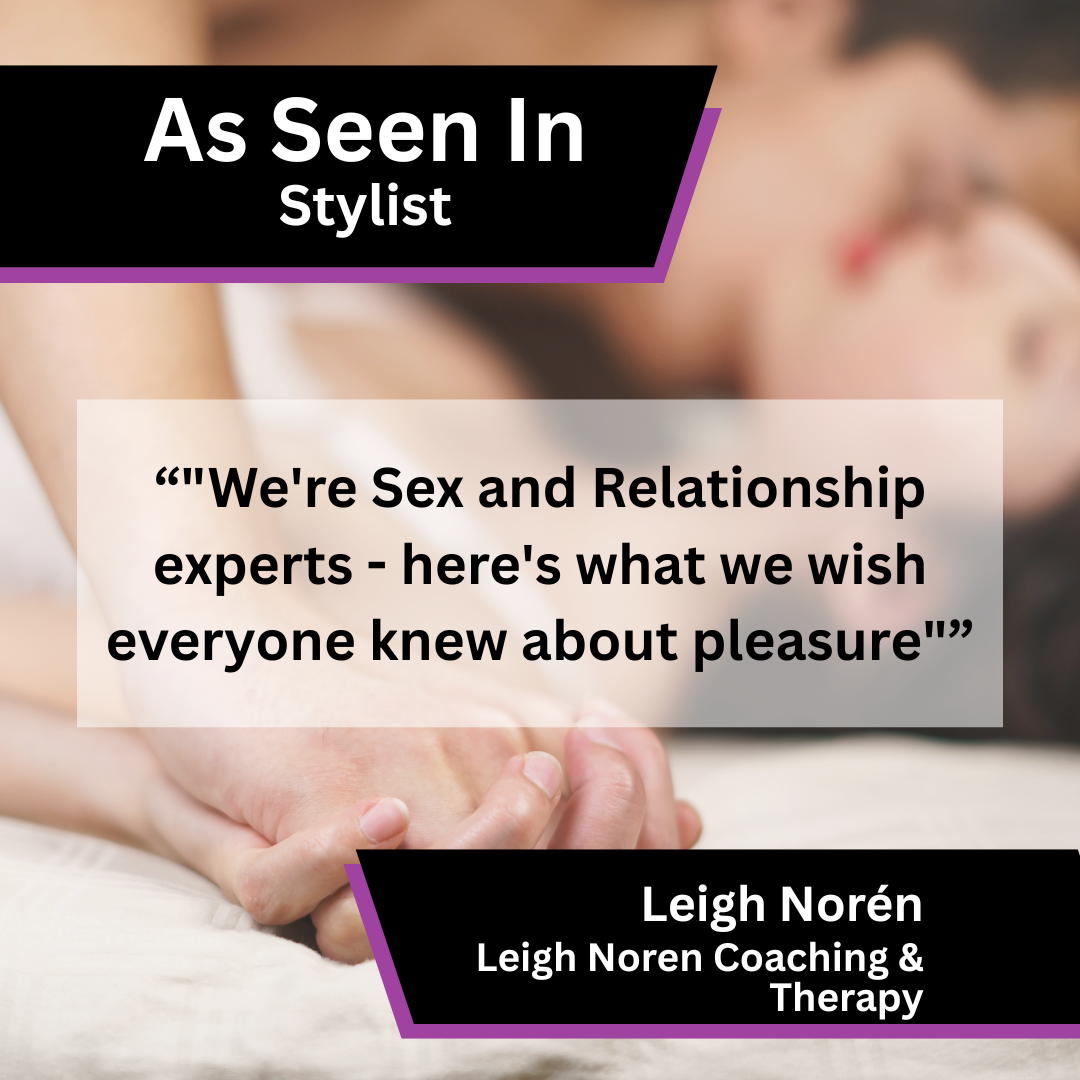
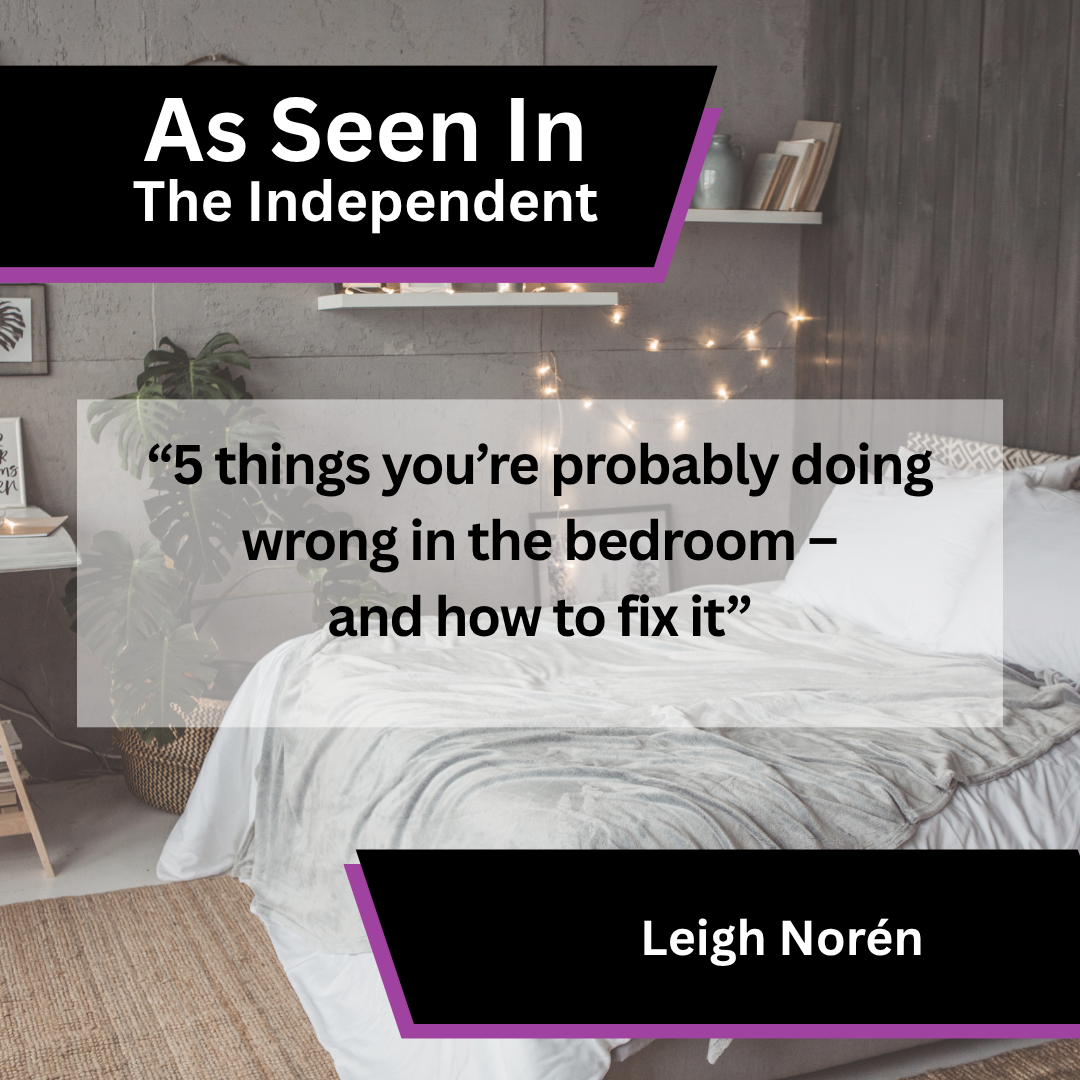
The Independent article about common bedroom mistakes allowed the campaign to address intimacy as a matter of everyday communication, not an obscure clinical topic. Stylist's feature about a sex therapist's most useful advice created a similarly practical editorial route. These placements put specialist commentary into publications read by people who may never search for a therapist directly. The strength of this route is the ability to discuss a real reader concern first, with professional credentials supporting the usefulness of the answer.
Representative published proof:
Turning a contemporary phrase into useful discussion
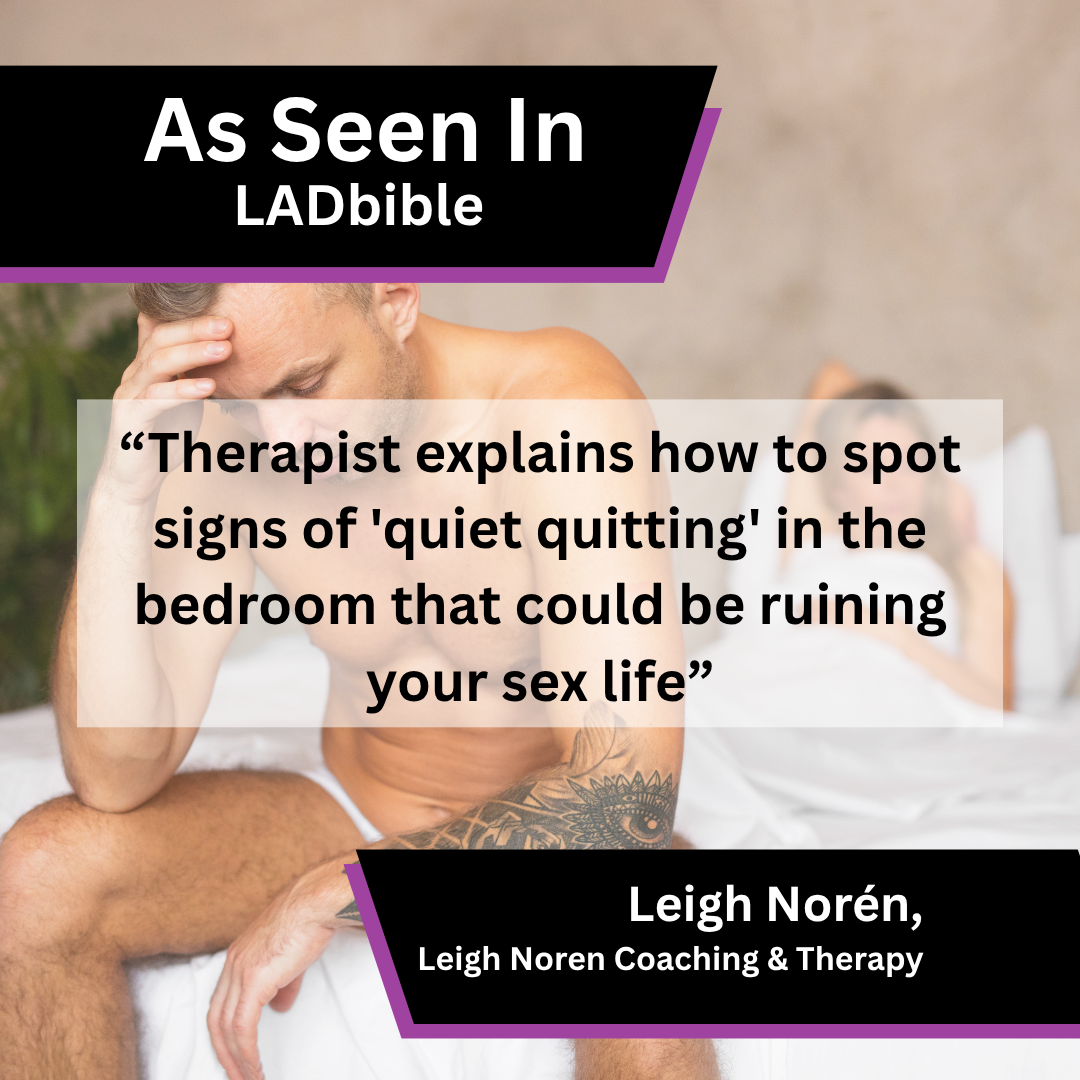
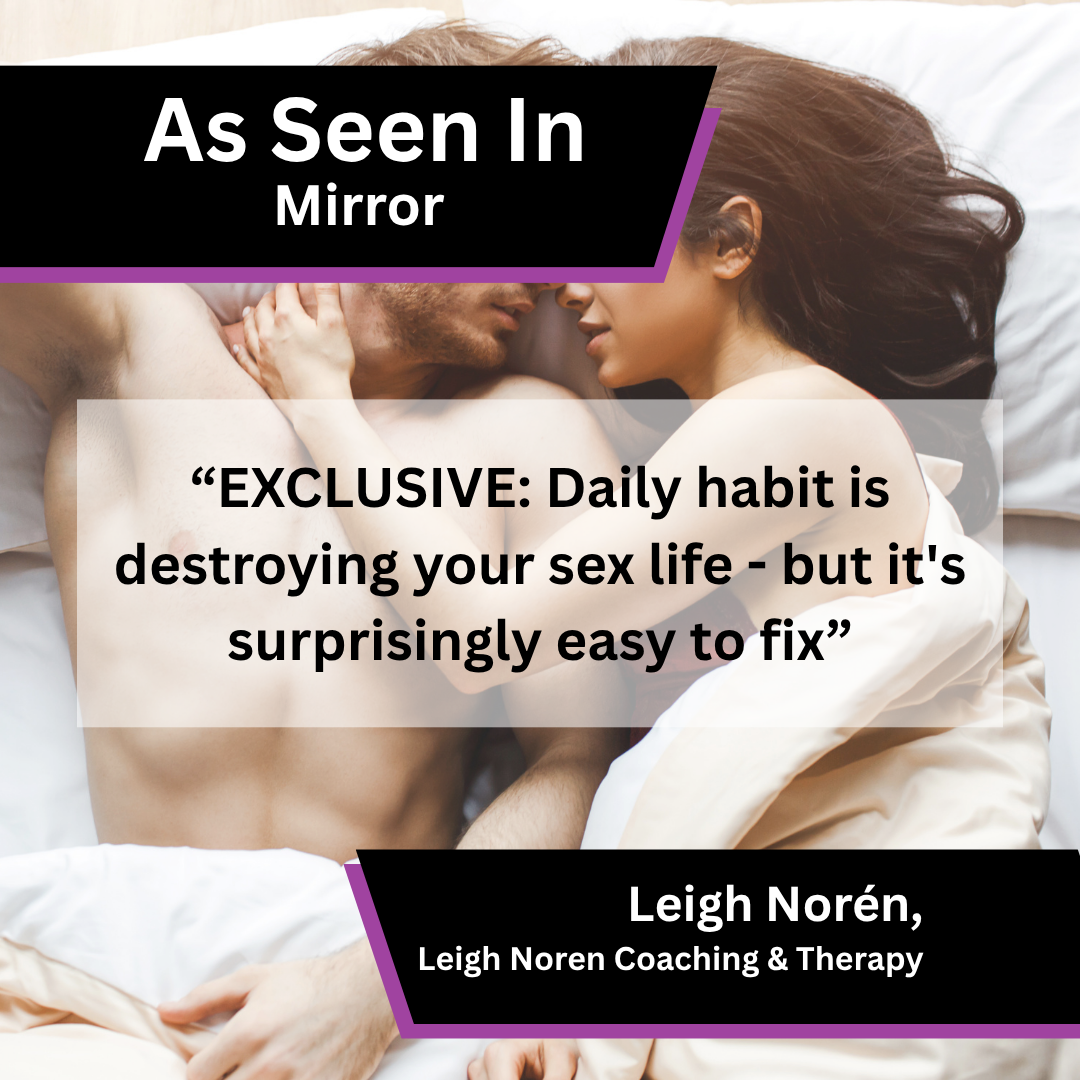
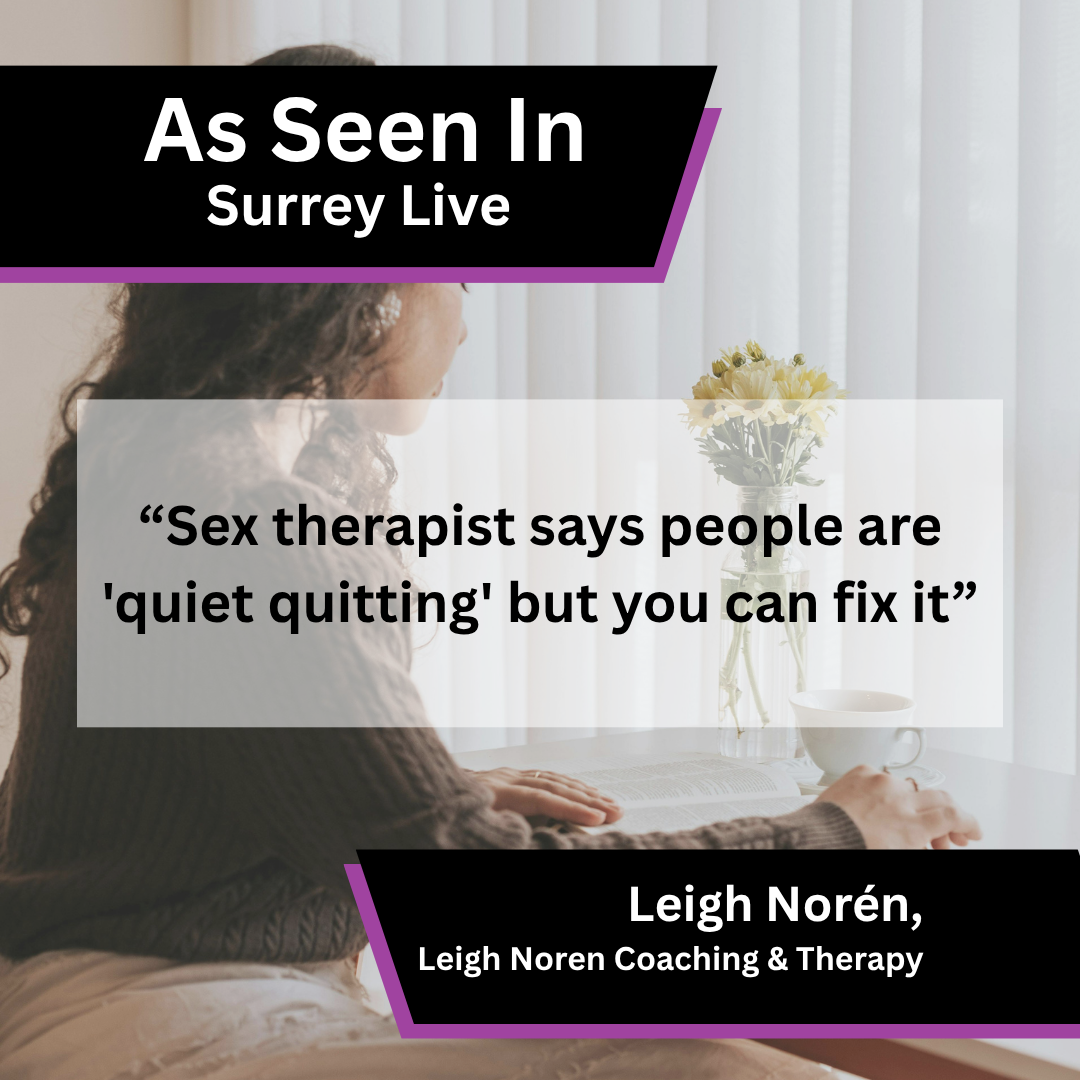
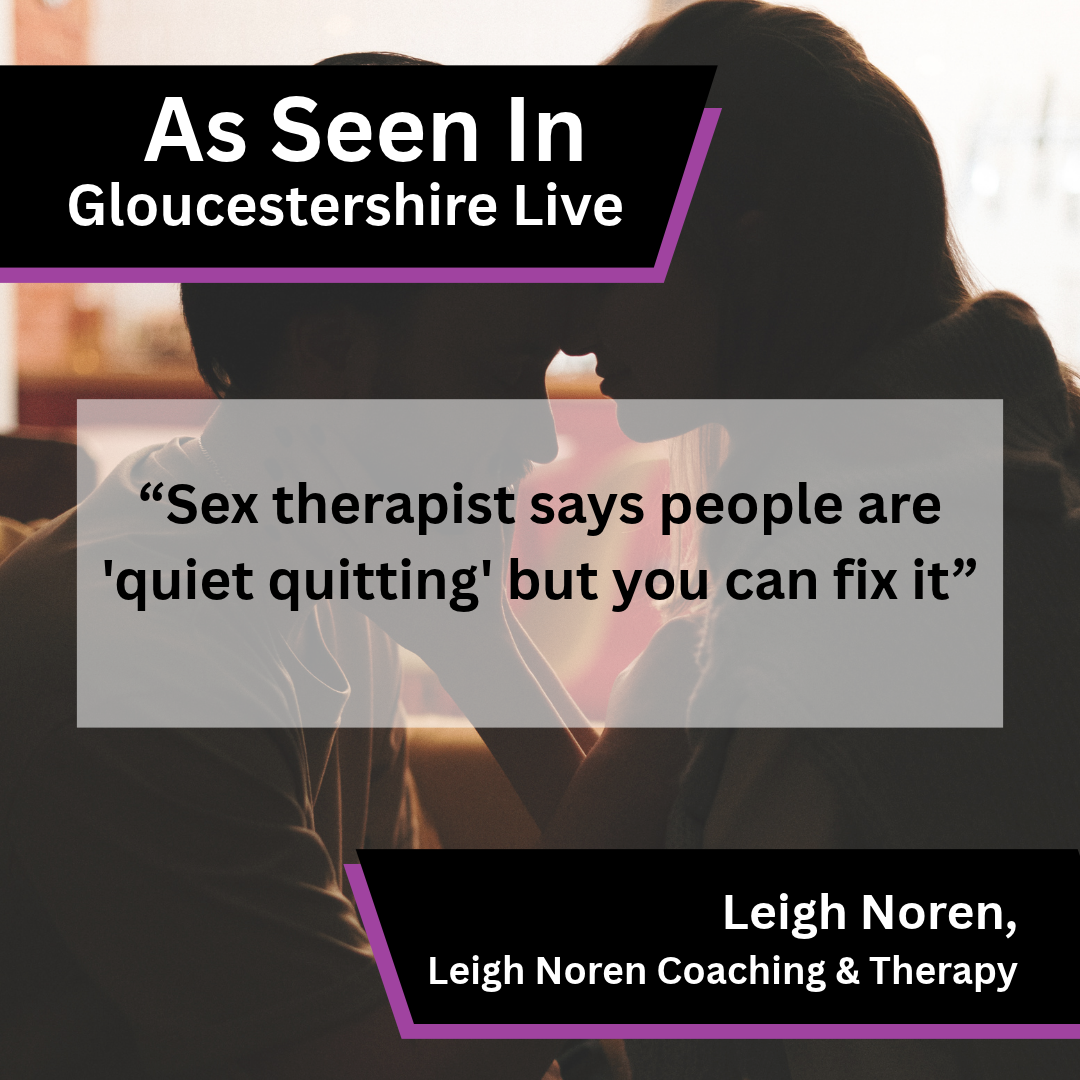
Coverage around 'quiet quitting' in the bedroom shows how a phrase already circulating in popular culture can become a legitimate expert story. The record includes reports in LADbible, the Mirror, Surrey Live and Gloucestershire Live. Rather than treating the trend as a clinical diagnosis, the editorial opportunity was to discuss communication, changing habits and how couples can recognise what is happening in their relationships. Multiple outlets may carry closely related coverage and should be described as separate linked appearances, not necessarily separate original campaign ideas.
Representative published proof:
Reaching specialist and broader consumer audiences
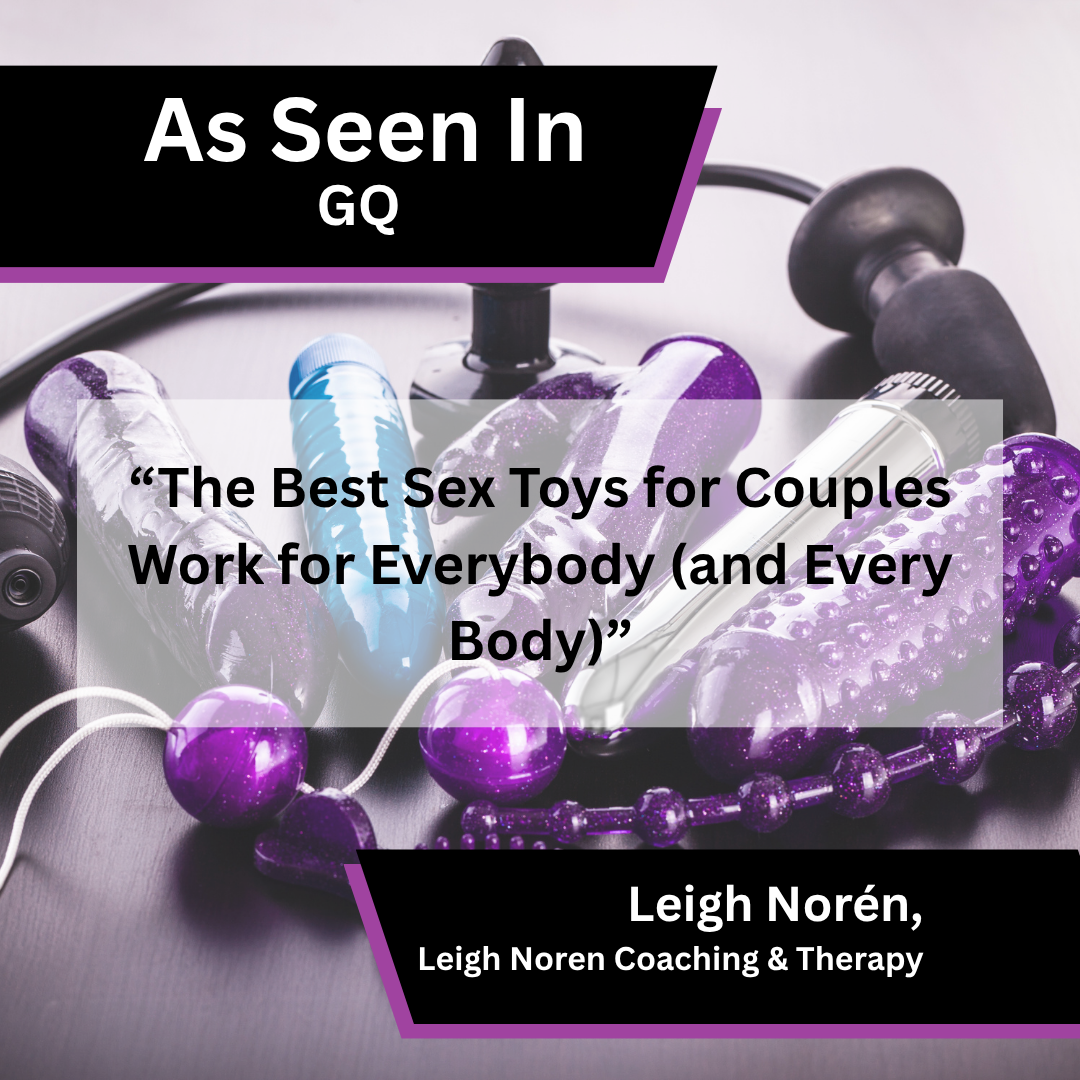
The archive also includes GQ's coverage of intimacy products and couples' sexual wellbeing, and Women's Health discussion of communication in the bedroom. These are different formats with different editorial needs. A shopping or product-advice article may use a specialist for context; a health article may require careful explanation of emotional and physical wellbeing. They demonstrate why positioning an expert around a wider set of connected topics can be more resilient than pitching one narrow service description.
Representative published proof:
Technology and changing relationship norms
Later entries discuss sex and relationship trends in the age of artificial intelligence, including a Tyla article on chatbots and relationships. They are relevant evidence of the breadth of Leigh's expertise, but their later recording dates matter: the underlying archive runs beyond the stated three-month engagement. They belong in a labelled historical coverage appendix rather than a headline claiming the three-month campaign delivered every item.
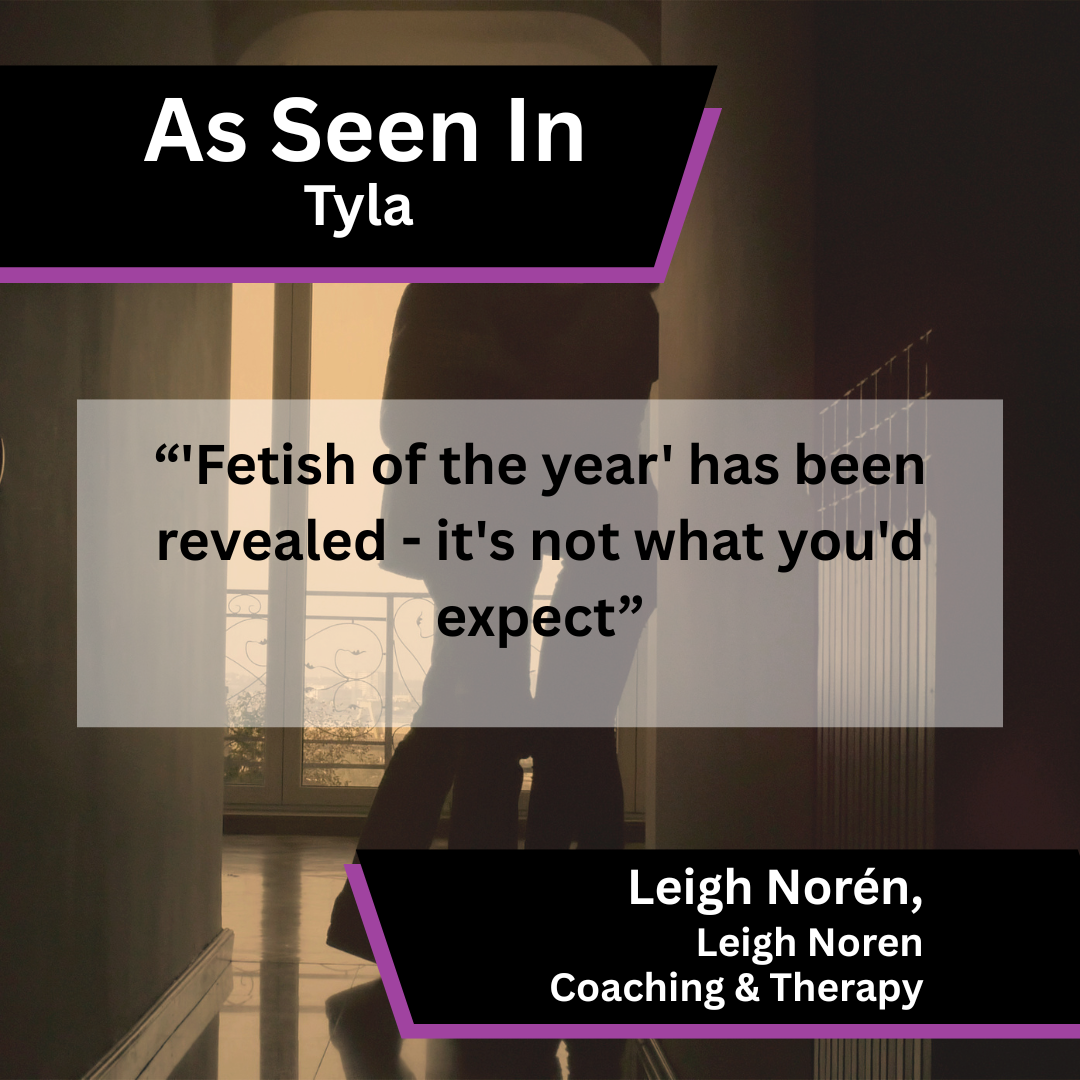
Representative published proof: Tyla (11 December 2025)
Why this is different from promoting a therapy service
For a specialist sexologist, earned media is most credible when the public-facing contribution helps readers understand a real question, rather than asking a journalist to promote sessions or courses. The Independent's recorded feature about common mistakes in the bedroom is an example of an editorial format built around the audience's uncertainty. The relevant expert contribution is about patterns, communication and practical context. Whether a particular reader ultimately seeks therapy is outside the scope of the published article and cannot be inferred from the placement.
This distinction is especially important for sensitive health and relationship topics. Editorial audiences may include individuals dealing with distress, shame, mismatched desire or unresolved difficulties with a partner. A good quote should clarify, not frighten or diagnose. Leigh's publicly described training in sexology and experience working with sexual wellbeing gives journalists a substantive basis for approaching her as a contributor. The case study does not suggest that a quote creates a personal therapeutic relationship with the publication's readers.
A closer look at the linked media themes
The two GQ entries in January 2025 involve consumer products and couple-focused sex advice. Their inclusion demonstrates that an expert may contribute context even when the story is ultimately a shopping or recommendations feature. The GQ entries should not be represented as endorsements by the publication of Leigh's therapy services. They show that the editor found specialist commentary relevant to the broader question.
Another cluster of stories in February 2025 is about emotional withdrawal and the popular phrase 'quiet quitting' in relationships. The archive records associated articles at LADbible, the Mirror, Surrey Live and Gloucestershire Live. Those are separate publication links, but they appear within a common editorial theme. Treating them as four completely unrelated news concepts would exaggerate the breadth of the underlying ideas; treating them as one website link would understate the number of distinct recorded appearances. The full historical table is therefore the clearest form of evidence.
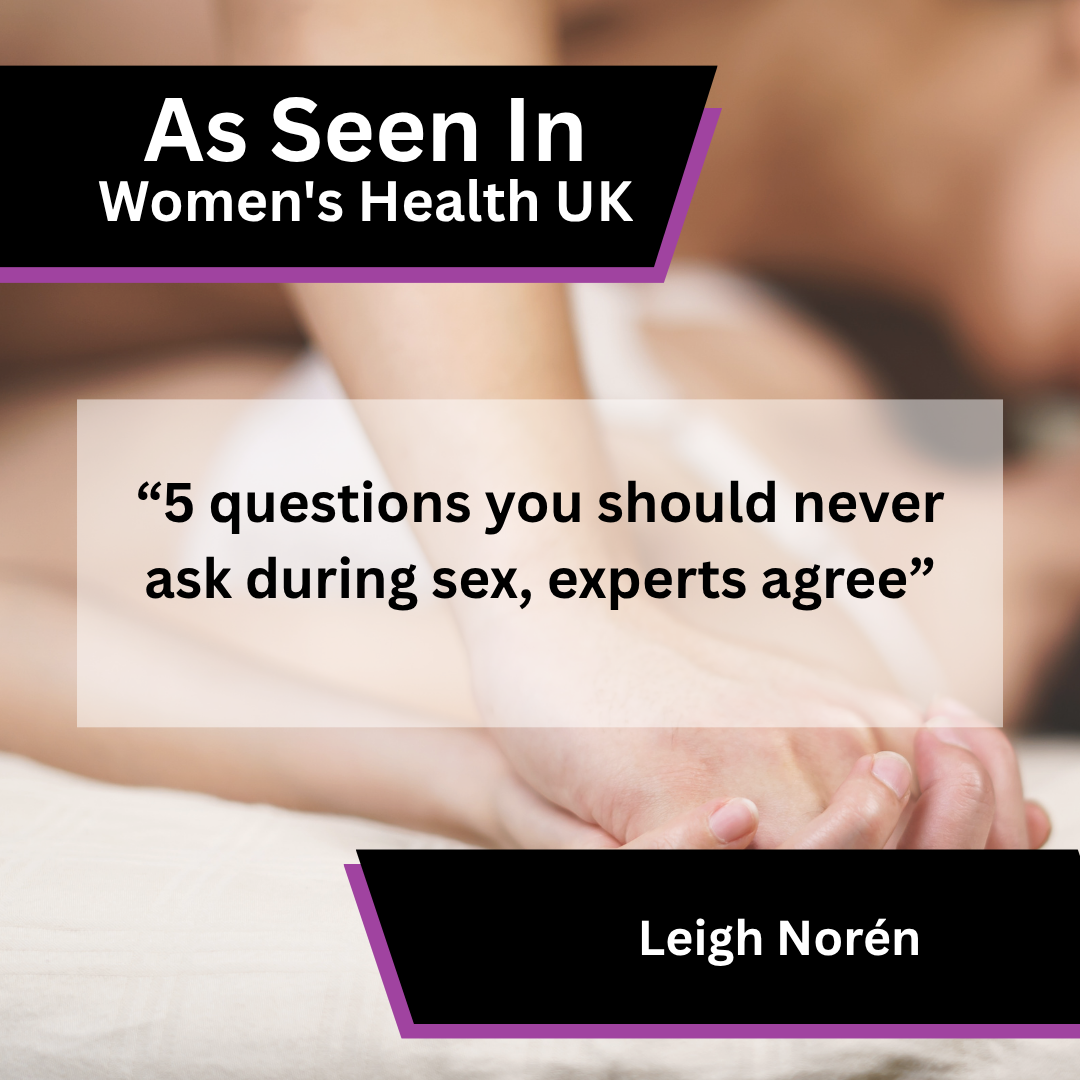
The March Women's Health entry moves the subject towards how people communicate during sex. That is a naturally relevant extension of Leigh's professional focus on intimacy, shame, communication and desire. The later November and December entries in Stylist and Tyla show further subject relevance, including the growing discussion of online technology and relationships, but those dates should not be silently drawn into the original three-month outcome claim.
What a prospective therapy client or professional service can learn
The archive shows that national and specialist editors can use an expert for several related but materially different questions. In a small practice, the founder's professional knowledge is often the strongest editorial asset. Developing press opportunities around that expertise can avoid an endless cycle of promotional business announcements that publications have little reason to cover.
There is no evidence in the source archive of increased therapy bookings, customer enquiries, organic search rankings or a specific return on investment. Those metrics should only appear in a case study if documented independently. The durable evidence here is named, dated and linked media coverage, supported by the external client's own professional background and the stated limits of the historic archive. When compared with a general agency promise of publicity, that is a more useful way to demonstrate what expert-led PR can actually produce.
The results
The associated archive lists 12 distinct linked appearances, including The Independent, Stylist, GQ, LADbible, the Mirror, Tyla, Women's Health and regional news. Related features and syndication are kept individually identifiable in the table; the archive extends beyond the three-month engagement and is not misrepresented as a three-month placement total.
| Publication | Date | Article / Topic | Read Article |
|---|---|---|---|
| GQ | 2025-01-17 | 21 Best Vibrators of 2025: Leg-Shaking Orgasms for All | Read article |
| The Independent | 2025-01-21 | 5 things you’re probably doing wrong in the bedroom – and how to fix it | Read article |
| GQ | 2025-01-21 | 38 Best Sex Toys for Couples in 2025 Bring Fresh Vibes | Read article |
| Stylist.co.uk | 2025-01-23 | “I’m a sex therapist – this is the number one piece of advice I give clients to improve their sexual wellness and mental health” | Read article |
| Gloucestershire Live | 2025-02-12 | Why ‘Quiet Quitting’ Is Happening in the Bedroom Too | Read article |
| Surrey Live | 2025-02-12 | Sex therapist says people are 'quiet quitting' but you can fix it | Read article |
| LADbible | 2025-02-12 | Therapist explains how to spot signs of 'quiet quitting' in the bedroom that could be ruining your sex life | Read article |
| Mirror | 2025-02-12 | EXCLUSIVE: Daily habit is destroying your sex life - but it's surprisingly easy to fix | Read article |
| Women's Health (UK) | 2025-03-07 | Core topic: questions not to ask in bed | Read article |
| Stylist | 2025-11-04 | Sexologist or sex therapist | Read article |
| Tyla | 2025-12-05 | Chastity named the 2025 “Fetish of the Year”: should I talk to my partner about my kinks? | Read article |
| Tyla; LADBible | 2025-12-11 | Users can now 'have sex' with ChatGPT - how will this affect Brits' love lives? | Read article |
Images from the coverage
Why these results matter
The main lesson from this archive is that highly specialised therapy knowledge can open the door to mainstream publications when it answers questions people are already asking. The linked appearances span national news, magazine-style wellbeing reporting and consumer lifestyle titles. That is evidence of editorial visibility, not evidence of client bookings, increased revenue, or a guarantee of future placements.
Results at a glance
| Result | Details |
|---|---|
| Engagement | 3 months (supplied) |
| PR focus | Therapy, sexology and relationships expert commentary |
| Historical archive | 12 recorded article URLs between 2025-01-17 and 2025-12-11, not all assigned to a verified three-month window |
| Selected media | The Independent, GQ, Stylist, Women's Health, the Mirror and LADbible |
Frequently asked questions
How can a sex therapist be featured in national publications?
By providing clear, responsible commentary on relationships, communication, wellbeing and genuinely newsworthy issues. Editors look for relevant experience and usable explanations, not only a list of services.
Can therapy PR cover sensitive or intimate topics?
Yes, provided accuracy, sensitivity, dignity and boundaries remain central. Expert quotes in the media are general educational information, not individual diagnoses or a substitute for therapy.
Are all the linked appearances part of the three-month campaign?
The engagement duration supplied for this case study is three months. The historical Published Press archive spans a longer period, so the full list is shown transparently as associated coverage, not as a falsely dated three-month total.
Looking to put specialist therapy or wellbeing expertise in front of journalists?
Fair Public Relations helps knowledgeable business owners and experts develop useful, evidence-led stories and commentary for independent editors. The goal is credible earned visibility, shaped by real questions journalists want answered.
