How Christopher Paul Jones secured 41 published articles in 12 months through expert-led PR
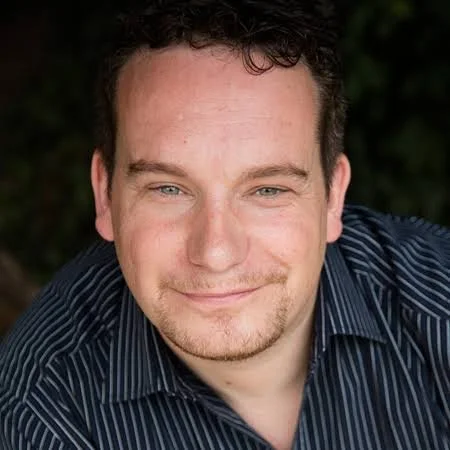
How Fair PR used expert commentary, real-life stories and a first-person service feature to build the profile of a Harley Street phobia specialist
Christopher Paul Jones joined the team in August 2022 ahead of the launch of a new book.
The objective was to increase his public profile, position him as a useful media expert on phobias and related behavioural topics, and introduce his work to wider consumer audiences.
Over the following 12 months, the campaign generated 41 published articles through a combination of expert commentary, timely consumer advice, real-life stories and service-led media opportunities.
Coverage appeared across publications including The Sun, Daily Express, Woman & Home, Metro, Stylist, The Standard, Yahoo News, MSN, Mirror Online, Patient.info and Best Life, alongside specialist and regional media.
At a glance
| Campaign measure | Result |
|---|---|
| Campaign started | August 2022 |
| Campaign period | 12 months |
| Published articles | 41 |
| Average articles per month | Approximately 3.4 |
| Campaign routes | Expert commentary, storytelling and service reviews |
| Core subjects | Phobias, fear, anxiety, sleep, burnout and behaviour |
| Standout feature | First-person service review in The Standard |
| Original objective | Brand awareness ahead of a book launch |
| Status | Completed |
The client
Christopher Paul Jones is a Harley Street-based hypnotherapist and phobia specialist.
His work focuses on helping people understand and address fears that can affect everyday life, including fear of flying, claustrophobia, fear of dentists and strong reactions to particular sounds or situations.
Christopher was referred to the agency by an existing long-term client.
He was looking to increase public awareness ahead of a new book launch and establish a stronger media profile around his specialist knowledge.
His area of work offered considerable editorial potential.
Phobias and behavioural responses can affect travel, relationships, work, health appointments and ordinary day-to-day activities. This created opportunities to connect Christopher’s expertise with timely news, seasonal topics and evergreen consumer questions.
The objective
The campaign was designed to:
— Increase public awareness of Christopher and his work
— Position him as a useful media expert on phobias and behavioural responses
— Build third-party credibility ahead of his book launch
— Secure coverage across national, lifestyle, health and specialist publications
— Create opportunities beyond direct promotion of his services
— Explain phobias in clear and accessible language
— Connect Christopher’s expertise with relatable consumer concerns
— Develop a sustained media profile rather than relying on one launch announcement
Rather than pitching Christopher only as a practitioner offering appointments, the campaign focused on making his knowledge useful to journalists and readers.
The challenge
Phobias, anxiety and emotional wellbeing are widely discussed in the media.
Journalists therefore receive large volumes of general commentary around fear, stress and behaviour.
The campaign needed to establish why Christopher was relevant and what he could add to a story.
His commentary needed to be:
— Clear and accessible
— Specific enough to be memorable
— Relevant to the journalist’s audience
— Responsible in how it described fears and emotional responses
— Useful without becoming overly promotional
— Connected to timely issues, relatable behaviours and real-life experiences
The campaign also needed enough variety to maintain momentum over a full year.
Relying only on general advice about phobias would quickly have become repetitive. We therefore developed several complementary routes into the media.
Our strategy
The campaign combined three main approaches:
— Positioning Christopher as an expert source
— Developing relatable and timely stories
— Creating opportunities for journalists to explore or experience his service
This gave the campaign more depth than one based entirely on press releases or direct book promotion.
Building Christopher’s media profile
We developed a clear media profile explaining:
— His professional background
— His Harley Street practice
— His specialism in phobias
— The subjects on which he could comment
— The everyday fears and behaviours he could explain
— His availability for interviews and longer-form features
This made it easier for journalists to understand where Christopher could contribute.
Rather than presenting him as a general wellbeing commentator, we focused on areas where he had a recognisable and media-friendly specialism.
Turning specialist knowledge into useful commentary
Fair PR developed media angles around questions, experiences and behaviours that readers were already likely to recognise.
Published topics included:
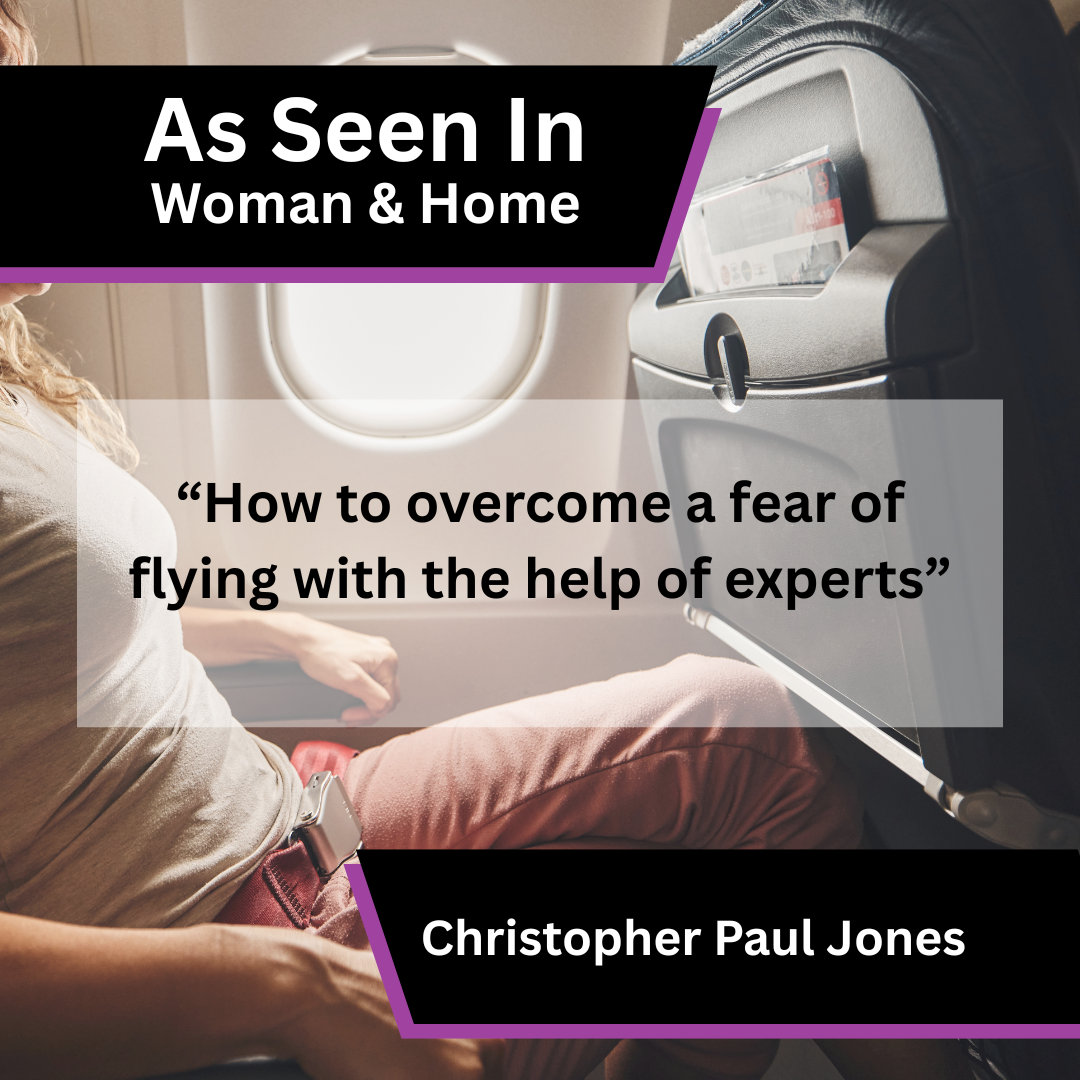
— Fear of flying
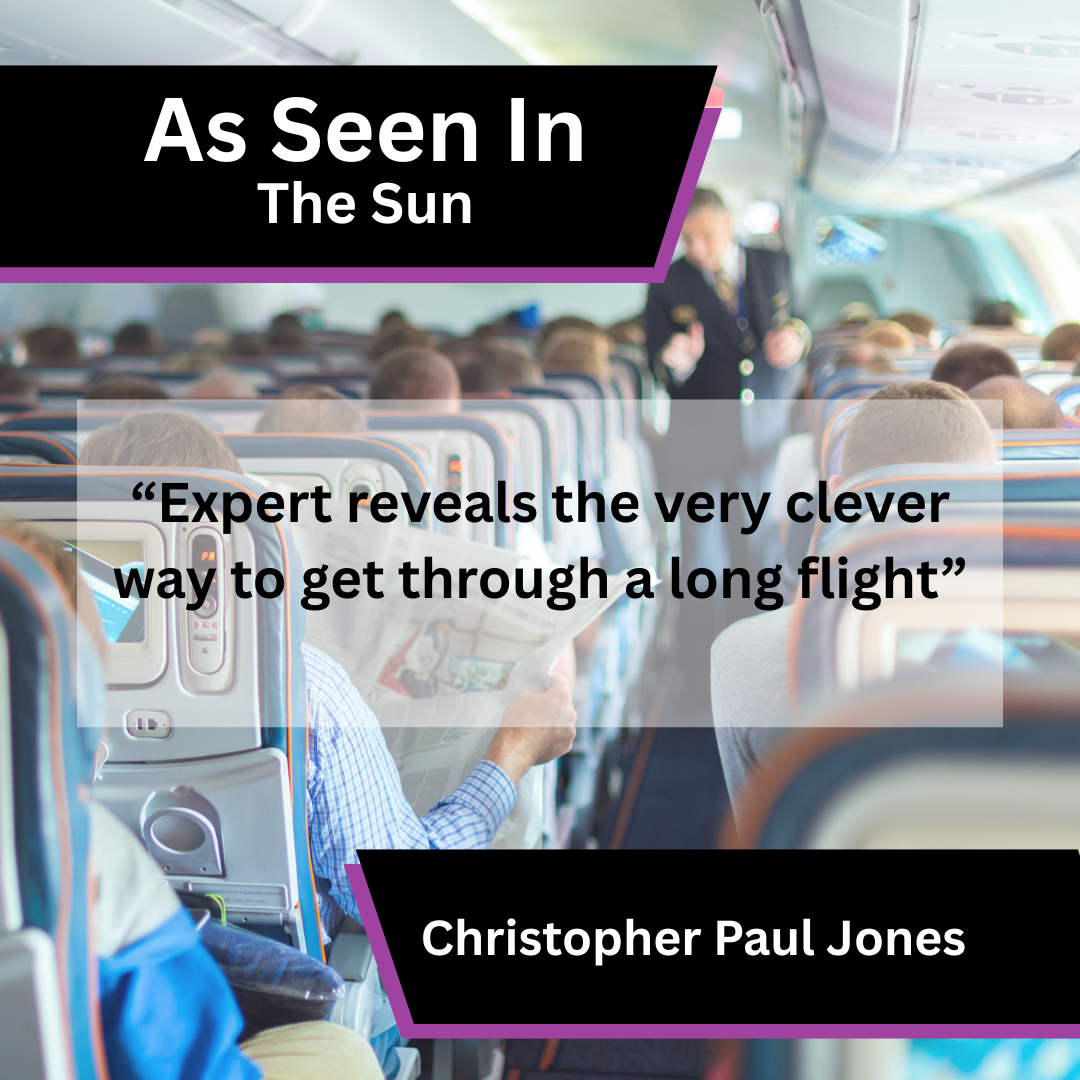
— Surviving long-haul flights
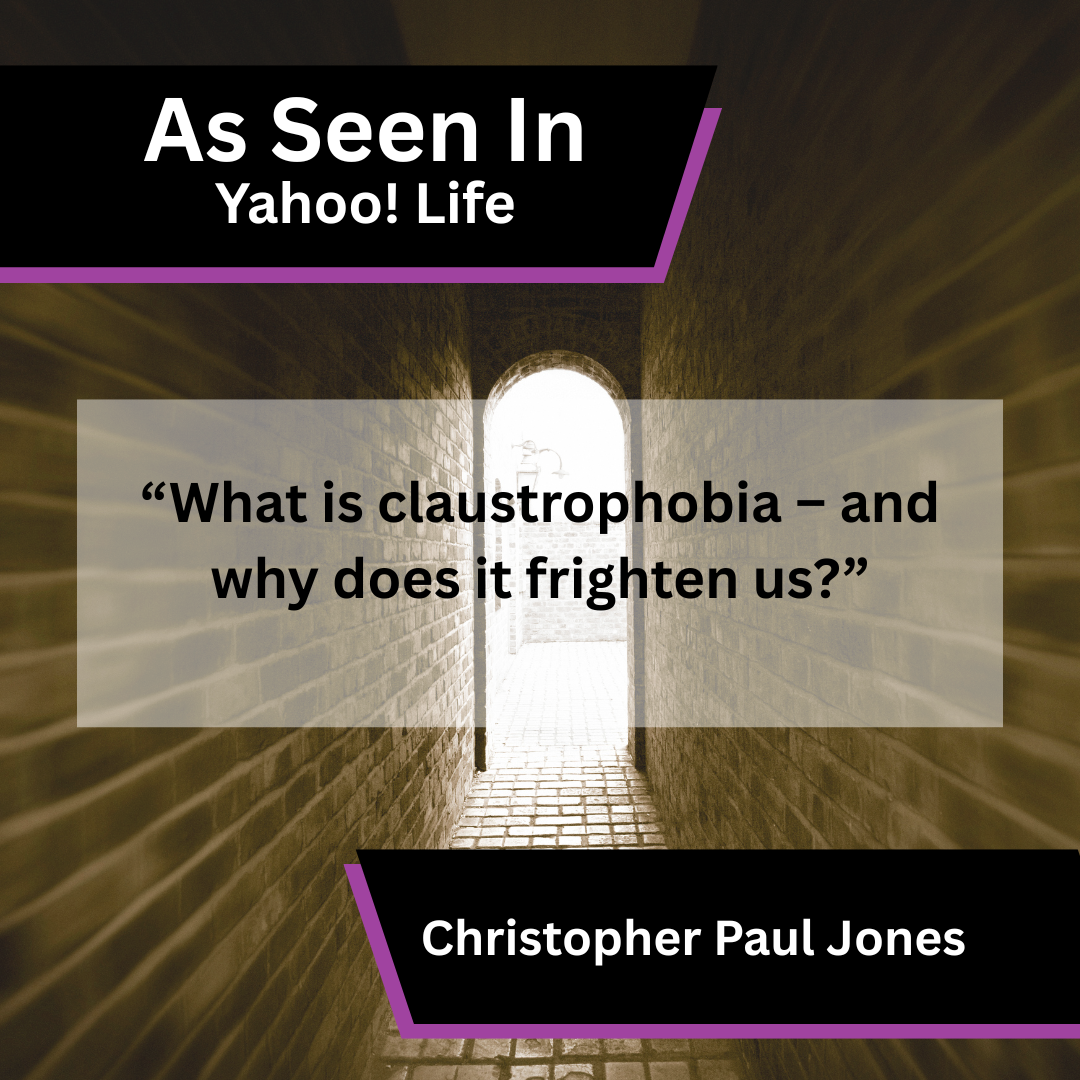
— Claustrophobia
— Misophonia and reactions to sound
— Trypophobia
— Thalassophobia and fear of deep water
— Fear of dentists
— Seasonal affective disorder
— Sleep difficulties
— Burnout
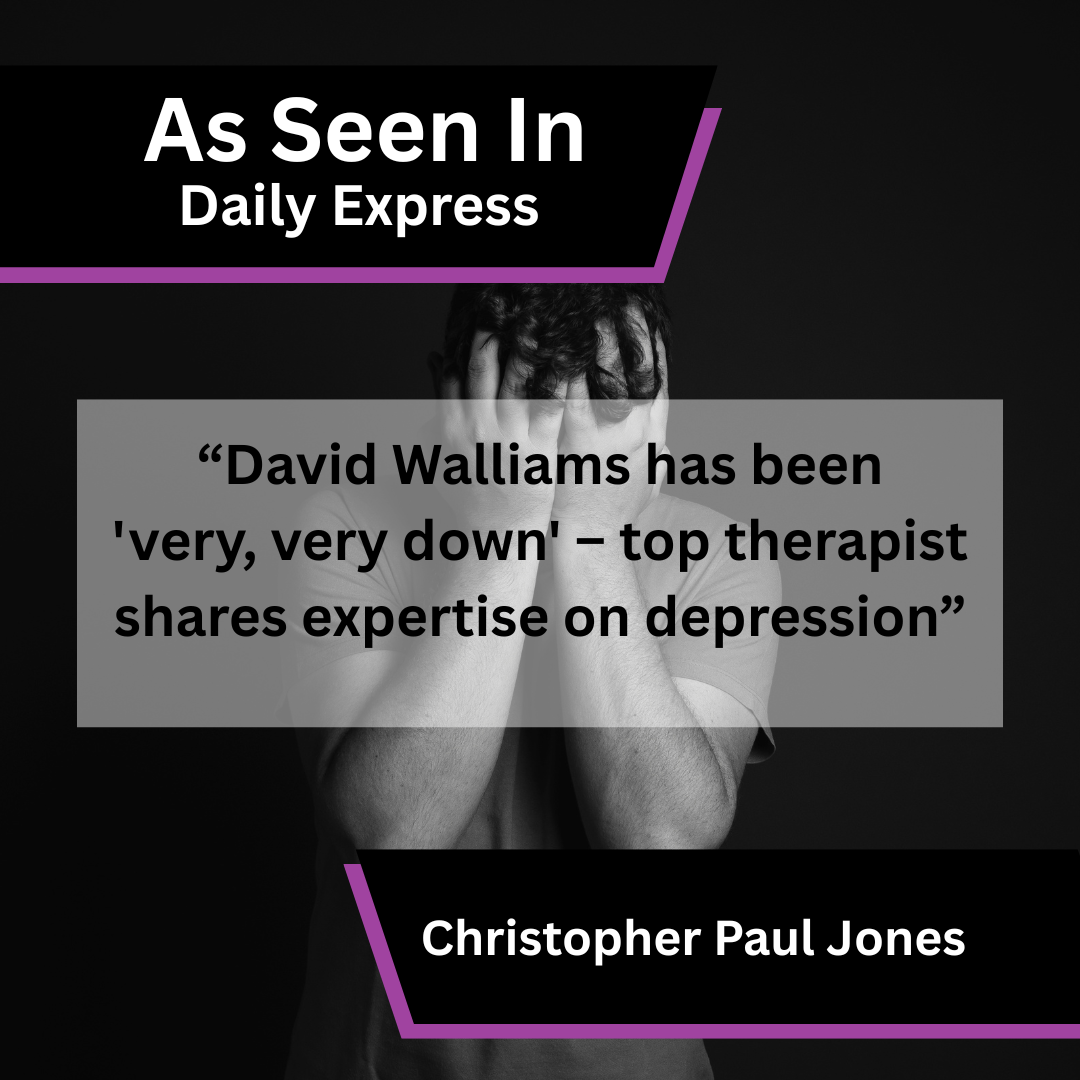
— Depression
— The effect of digital technology on mental health
— Handling addiction in the workplace
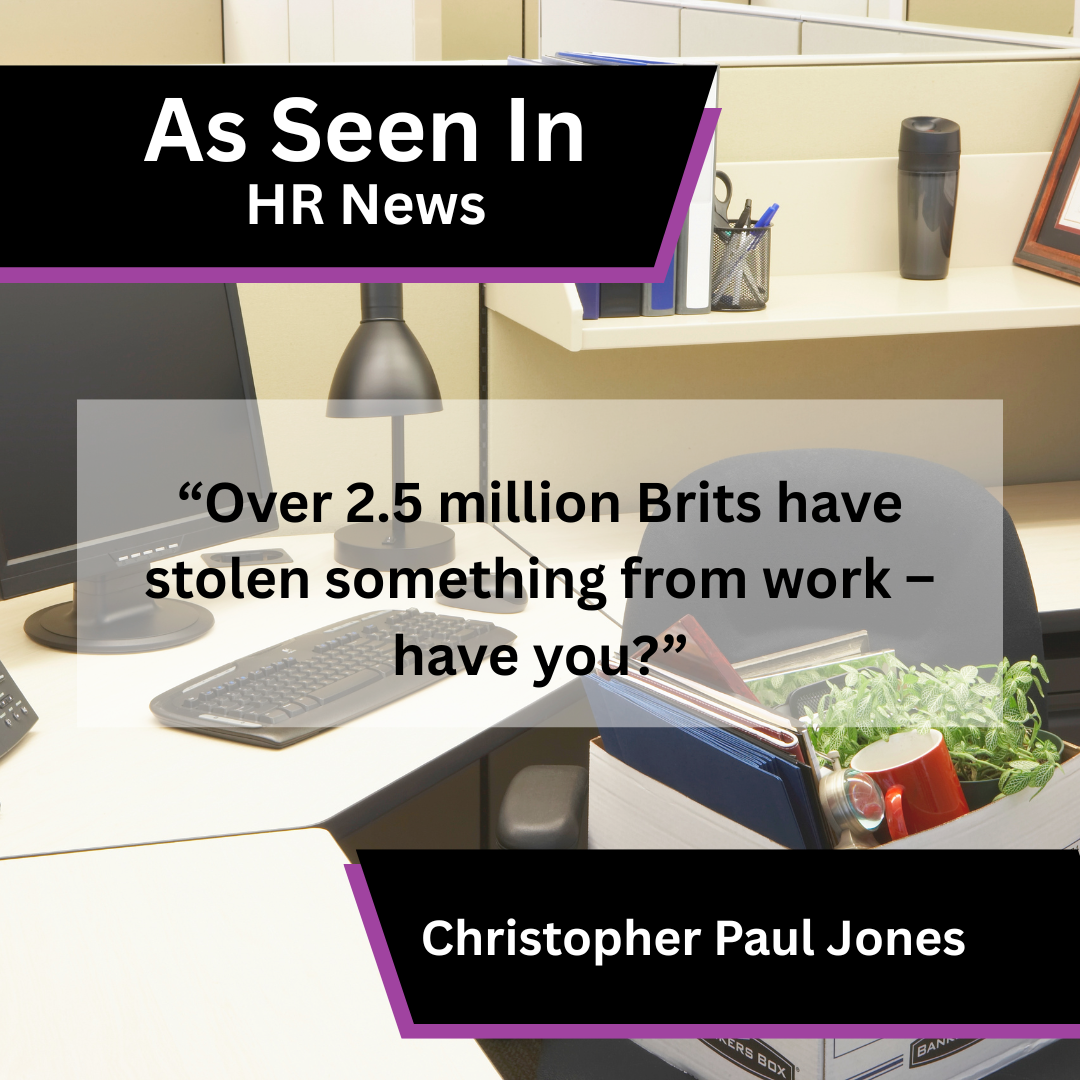
— Taking pens, mugs and cutlery home from work
— Dealing with colleagues who take food
— Why some people strongly dislike the sound of chewing
— The psychology behind attraction and behaviour
This range allowed Christopher to demonstrate the breadth of his knowledge while maintaining a clear connection with phobias, emotional responses and behavioural patterns.
Connecting expertise with timely stories
A strong expert-led campaign needs a reason for journalists to use the expert at a particular moment.
We therefore connected Christopher’s knowledge with:
— Peak travel periods
— Long-haul flights
— Christmas and unusual seasonal fears
— Workplace behaviour
— Health and wellbeing stories
— Sleep and burnout
— Digital habits
— Consumer trends
— Newsworthy research
For example, fear-of-flying commentary was particularly relevant during busy travel periods.
Other articles explored unusual but relatable subjects, including why some people dislike the sound of chewing, why certain visual patterns can trigger discomfort and how fears can become linked to particular seasons or situations.
These angles gave journalists something more specific than general advice about managing fear.
Using real-life storytelling
Some fears are easier for readers to understand when they are told through an individual experience.
Where appropriate, the campaign incorporated real-life stories involving people affected by unusual or disruptive phobias.
One story concerned a woman whose fear of tinsel affected her experience of Christmas.
The story generated a substantial syndication run across national, digital and regional media.
It appeared through outlets including:
— Mirror Online
— Metro
— MSN
— WalesOnline
— MyLondon
— EssexLive
— LeedsLive
— Belfast Live
— YorkshireLive
— BristolLive
— GloucestershireLive
— CornwallLive
— Somerset Live
— Dorset Live
— CoventryLive
Christopher’s commentary provided professional context, helping readers understand how an unusual fear could affect somebody’s everyday experience.
This demonstrated how one strong human-interest story, supported by relevant expert insight, could generate significant additional reach through republication and syndication.
Creating a substantial first-person service feature
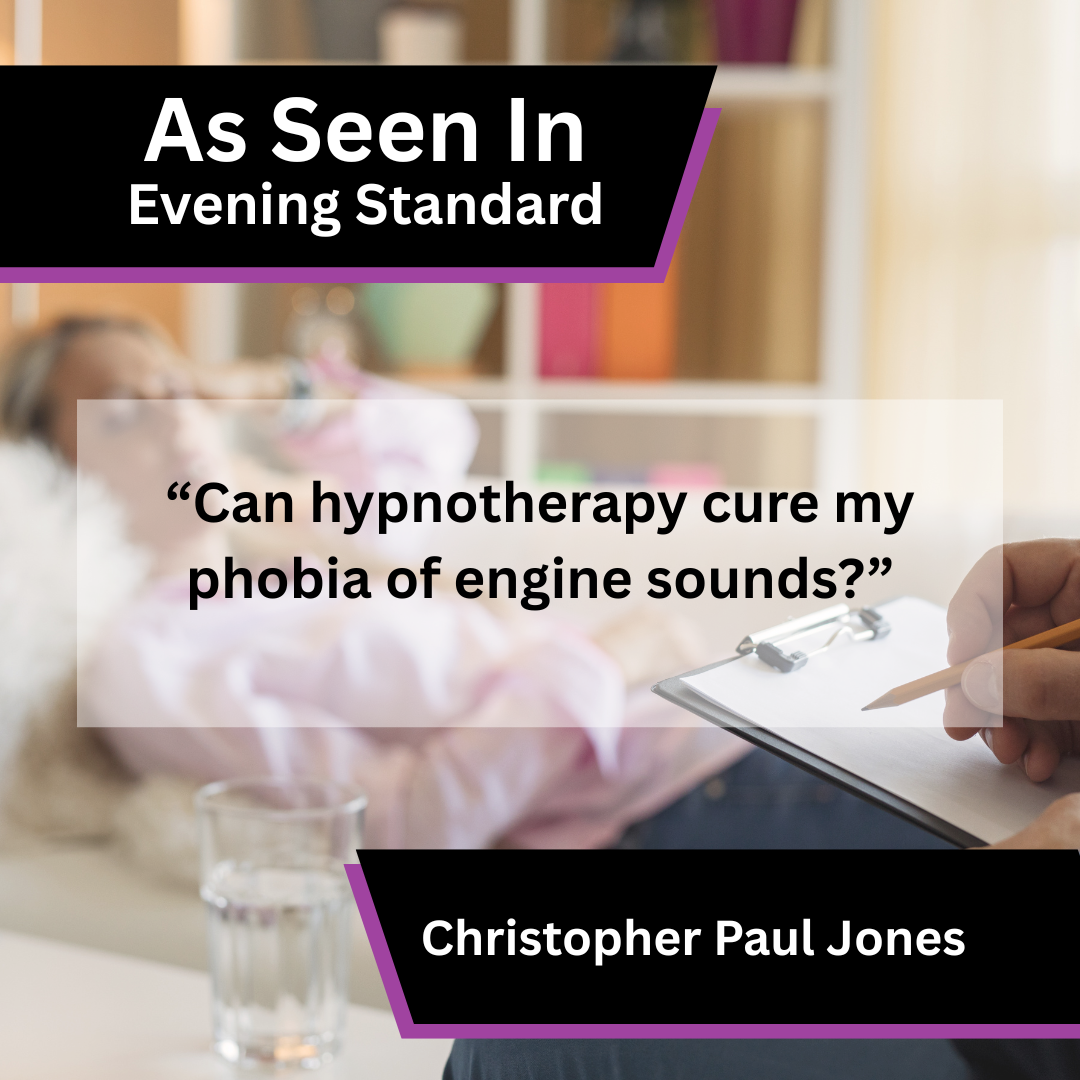
One of the campaign’s strongest results was a detailed first-person feature in The Standard.
The journalist explored whether hypnotherapy could help with an intense reaction to motorbike and engine sounds.
The resulting article documented the experience, included Christopher’s explanations and gave readers a more detailed understanding of his approach than a short expert quotation could provide.
This was particularly valuable because it combined:
— A journalist’s personal experience
— A clear explanation of the service
— Direct access to Christopher’s expertise
— A relatable problem
— Lifestyle storytelling
— A substantial editorial format
The feature placed Christopher and his work at the centre of the article rather than including him only as a supporting source.
You can view Christopher’s published articles in our Media Coverage database, alongside hundreds of other articles secured for our clients across a wide range of industries, sectors and areas of expertise.
The results
During the 12-month campaign, Fair PR secured 41 published articles.
This represents an average of approximately 3.4 published articles per month.
Coverage appeared across:
— National newspapers
— Consumer lifestyle publications
— Health and wellbeing websites
— Workplace media
— International digital publications
— Regional news titles
— Syndicated platforms
Recognised publications included:
— The Sun
— Daily Express
— Woman & Home
— Metro
— Stylist
— The Standard
— Yahoo News
— MSN
— Mirror Online
— Patient.info
— Best Life
— HR News
— myGrapevine
The campaign generated more than one brief burst of attention around Christopher’s book.
It created a sustained body of media coverage over a full year.
Coverage highlights
Fear of flying and long-haul travel
Christopher provided commentary on surviving long-haul journeys and managing fear while travelling.
The subject generated coverage including a feature in The Sun, helping connect his expertise with a highly relatable and seasonal consumer concern.
Sleep and emotional wellbeing
His commentary appeared in Stylist on difficulties getting enough sleep.
Other coverage explored burnout, depression, seasonal affective disorder and the effect of digital technology on mental health.
Unusual and relatable phobias
Articles explored:
— Trypophobia
— Thalassophobia
— Claustrophobia
— Fear of dentists
— Misophonia
— Fear of engine sounds
— Fear of Christmas tinsel
These subjects allowed Christopher to explain less commonly understood fears in language suitable for broad consumer audiences.
Workplace behaviour
The campaign also expanded into workplace and behavioural subjects, including:
— Taking office items home
— Handling addiction in the workplace
— Dealing with colleagues who take food
— The mental-health effects of digital communication
This helped demonstrate that Christopher’s media contribution could extend beyond conventional phobias into everyday habits and behavioural patterns.
Repeated use across media brands
Christopher’s commentary appeared in Metro across several different subjects, including seasonal affective disorder, workplace behaviour, digital technology and reactions to sound.
Repeated inclusion by the same media brand can be particularly useful because it shows that the expert is capable of contributing to more than one story.
The campaign also generated extensive regional syndication and republication.
One strong contribution could therefore lead to several published articles without requiring an entirely separate campaign for each outlet.
A wide publication mix
The 41 articles were not concentrated in one type of media.
The campaign included:
— National coverage through The Sun and Daily Express
— Consumer lifestyle coverage through Woman & Home and Stylist
— Health coverage through Patient.info
— Workplace coverage through HR News and myGrapevine
— Digital syndication through Yahoo News, MSN and Mirror Online
— Regional reach through numerous local news titles
— A substantial first-person service feature through The Standard
This breadth helped build a more rounded public profile than one based on a single category of publication.
Building more than article volume
The 41 published articles created a body of independent material connecting Christopher with subjects including:
— Phobias
— Fear of flying
— Misophonia
— Claustrophobia
— Sleep
— Burnout
— Workplace behaviour
— Emotional responses
— Hypnotherapy
This provided Christopher with proof that could be reused across:
— His website
— Social media
— Book promotion
— Speaker information
— Media biographies
— Future journalist pitches
— Professional introductions
— Podcast and interview outreach
Each article could continue supporting his public profile after its original publication date.
Supporting the book launch
The campaign began with awareness ahead of Christopher’s upcoming book launch as one of its central objectives.
Rather than relying only on direct coverage of the book, we worked to strengthen the profile of the expert behind it.
This meant potential readers, journalists and collaborators could find a broader body of independent coverage demonstrating Christopher’s specialist knowledge.
The media campaign helped establish:
— What he specialised in
— Why journalists used his commentary
— Which subjects he could explain
— How his expertise applied to everyday concerns
— What distinguished him within a crowded wellbeing market
That wider authority could support the book launch more effectively than a single announcement alone.
What Christopher said
“Fab at getting me some good articles … thanks for all your hard work!”
Christopher Paul Jones
The comment has been lightly edited for punctuation.
This campaign was delivered by the team now operating as Fair Public Relations under a previous trading name.
Why the campaign worked
A clear specialist subject
Christopher was not positioned as a general commentator on every wellbeing topic.
Phobias gave the campaign a recognisable central theme while still allowing us to explore travel, work, sound, sleep and everyday behaviour.
Relatable consumer questions
The strongest angles connected with experiences people could immediately understand.
Fear of flying, anxiety around dentists, irritation caused by chewing and reactions to loud engines all gave journalists accessible routes into Christopher’s expertise.
A mixture of media approaches
The campaign did not rely on one tactic.
It combined:
— Expert commentary
— Reactive journalist opportunities
— Proactive pitching
— Seasonal ideas
— Real-life stories
— Syndicated features
— A first-person service feature
That variety helped maintain momentum over 12 months.
Strong human-interest storytelling
Phobias naturally contain tension, emotion and personal experience.
By combining real-life stories with Christopher’s explanations, the campaign created articles that were engaging, relatable and useful to readers.
A service journalists could experience
The Standard feature was particularly strong because the journalist could participate directly and describe the experience in her own words.
This created a richer article than a conventional promotional pitch.
Consistent activity
The campaign produced 41 published articles because media activity was sustained over time.
It was not the result of one press release.
Ideas were continually developed, pitched, adapted and connected with new editorial opportunities throughout the year.
Could expert-led PR help build your authority?
Fair Public Relations helps small businesses, founders and credible experts turn specialist knowledge, professional experience and useful insight into media opportunities. Campaigns can include expert commentary, reactive journalist opportunities, proactive story development, founder and expert positioning, real-life stories, service-led features and wider earned-media outreach. Earned coverage, particular publications, backlinks and other outcomes cannot be guaranteed, but every campaign is shaped around credible expertise, relevant opportunities and genuine editorial value.