
The Gut Co
Wellness & Gut Health PR
The Gut Co shows how a business can become more useful to journalists when its knowledge or product connects with questions readers already care about. The Gut Co's science-informed gut-health supplement business and knowledgeable founder could help translate specialist digestive-wellness subjects for mainstream readers. This case study explores the editorial topics in the source record, the significance of the coverage, and the lessons other businesses can take from it.
The client and its specialist proposition
The brand developed supplements and education relating to gut health. Consumer interest in digestion, fatigue, sleep, nutrition and wellbeing created opportunities to contribute to a range of features, but required particular care with claims about medical effects and supplements.
The most useful reason for a reporter to speak with The Gut Co was not simply that it wanted publicity. The Gut Co's science-informed gut-health supplement business and knowledgeable founder could help translate specialist digestive-wellness subjects for mainstream readers. An expert contribution becomes genuinely newsworthy when it explains a development, brings credible first-hand knowledge to a debate or helps people make an informed everyday decision.
For prospective clients, the relevant lesson is that the strongest PR material does not have to be a conventional company announcement. A business may have timely knowledge, unusual operational experience or practical consumer advice that can help a journalist with a story already under consideration. The exact value depends on real qualifications and demonstrable facts, not on a promotional promise.
The challenge and objective
Our communications opportunity was to position the business as a helpful source of informed, understandable context in a crowded wellness market where editorial scrutiny of health claims matters.
Editors have limited space and many sources to choose from. A business can be good at what it does yet remain invisible in press coverage if it offers journalists only general promotional statements. The opportunity here was to translate the client's specialist field into precise subjects readers would recognise, while respecting the reporter's independence and the limits of what the source could substantiate.
We assess the campaign through the publications and article subjects recorded on PubPB. Those records provide evidence of publication, but they do not automatically prove which individual press release, pitch or journalist request caused every item. Where the activity log is incomplete, the case study does not invent a sequence of outreach actions.
How the editorial approach created opportunities
The archive points to more than product mentions: it records repeated expert perspectives in national consumer media, lifestyle titles, and specialist science-led reporting. Coverage needs to be understood as independent media selection, not medical validation of a commercial supplement.
Rather than equating PR success with one large announcement, this type of campaign can build relevance through several connected angles. Some may relate to the client's core product or service. Others can draw on the founder's or expert's broader knowledge, timely developments, questions emerging in the news and the specific needs of a publication's readership.
Different editors need different kinds of information. A national newspaper may want immediate relevance and clearly explained facts. A specialist publication may care more about professional context. A lifestyle publisher may need practical tips or examples. Adapting explanations to those needs does not mean changing the underlying facts or guaranteeing coverage.
Explaining gut health without miracle claims
Gut health can be a confusing topic for readers because broad claims often outrun what is scientifically established. Reporting on everyday digestive habits and the role of diet offers a more responsible route to press coverage than promising dramatic effects from a product.
This strand shows why The Gut Co could contribute beyond a single corporate announcement. The reporter's angle should start with a genuine question or emerging discussion; the expert contribution should then explain what readers need to know, using credible context rather than self-promotion. The historical article record supports the subject area, but it does not by itself establish direct commercial returns or ownership of the journalist's editorial framing.
Sleep, stress and energy as connected subjects
Lifestyle editors regularly explore the practical links between sleep, energy, anxiety and eating patterns. The historical features demonstrate how an expert with relevant experience may contribute insight while clearly separating correlation, individual experience and proven treatment.
This strand shows why The Gut Co could contribute beyond a single corporate announcement. The reporter's angle should start with a genuine question or emerging discussion; the expert contribution should then explain what readers need to know, using credible context rather than self-promotion. The historical article record supports the subject area, but it does not by itself establish direct commercial returns or ownership of the journalist's editorial framing.
Lifestyle and beauty audiences
Digestive wellbeing is also discussed in fashion, skincare and lifestyle publications. The business could be relevant to readers seeking general health context, but commentary should never turn an editorial appearance into an implication of clinical endorsement.
This strand shows why The Gut Co could contribute beyond a single corporate announcement. The reporter's angle should start with a genuine question or emerging discussion; the expert contribution should then explain what readers need to know, using credible context rather than self-promotion. The historical article record supports the subject area, but it does not by itself establish direct commercial returns or ownership of the journalist's editorial framing.
Responding to familiar public questions
Coverage involving food habits, nutrition and common wellness misunderstandings provides repeatable subjects across different publications. Useful answers have to account for individual health conditions and the limits of any universal advice.
This strand shows why The Gut Co could contribute beyond a single corporate announcement. The reporter's angle should start with a genuine question or emerging discussion; the expert contribution should then explain what readers need to know, using credible context rather than self-promotion. The historical article record supports the subject area, but it does not by itself establish direct commercial returns or ownership of the journalist's editorial framing.
Using credible commentary rather than a hard sell
A story about readers' wellbeing will not always name or review the company's products. Expert visibility can still be meaningful, provided the business is attributed accurately and the editorial contribution is genuinely relevant.
This strand shows why The Gut Co could contribute beyond a single corporate announcement. The reporter's angle should start with a genuine question or emerging discussion; the expert contribution should then explain what readers need to know, using credible context rather than self-promotion. The historical article record supports the subject area, but it does not by itself establish direct commercial returns or ownership of the journalist's editorial framing.
Selected recorded articles and publication evidence
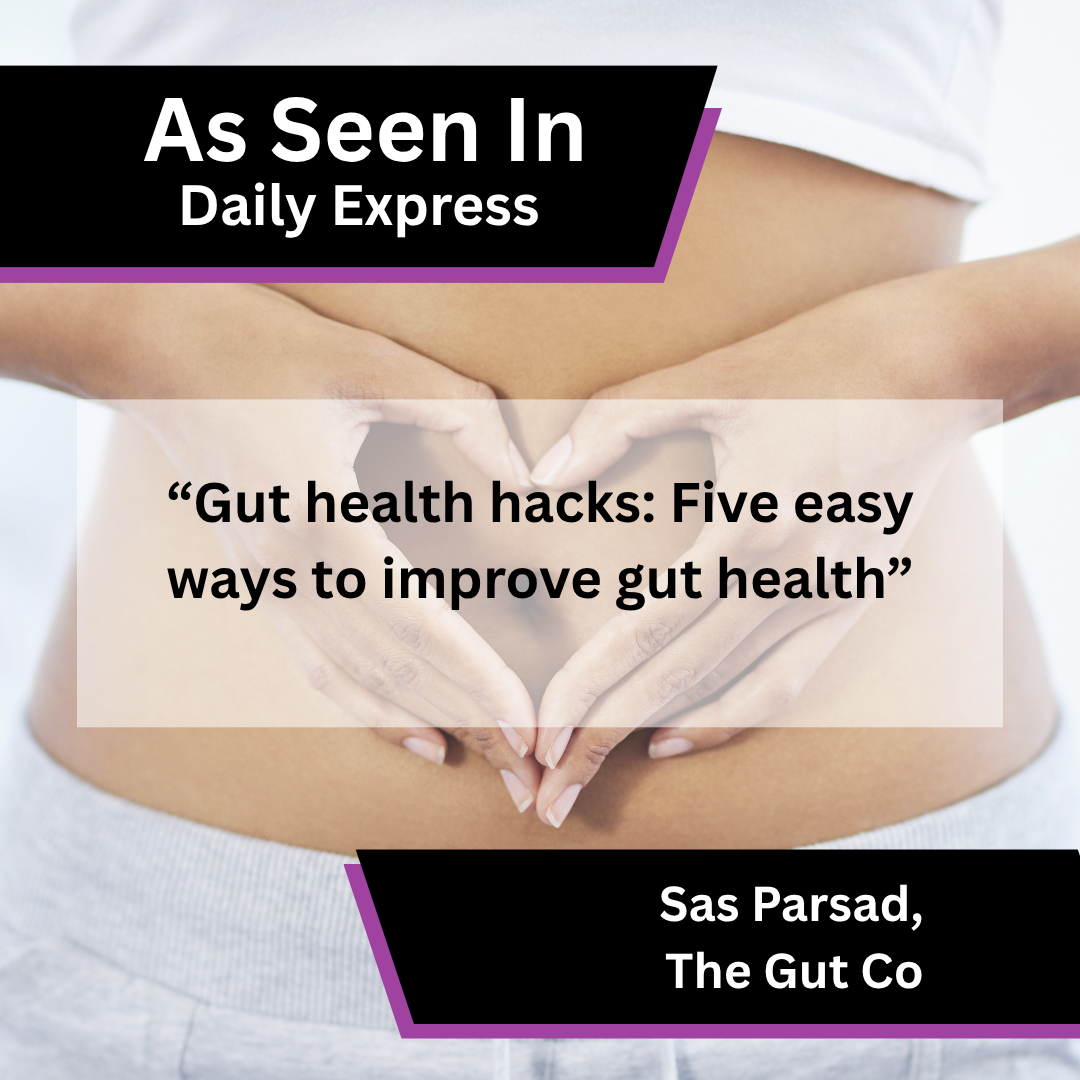
Daily Express (2022-03-13) published an item recorded as “Gut health hacks: Five easy ways to improve gut health”. This represents a specific published example within the documented wider theme; the original journalist's wording and attribution should be rechecked before final website sign-off.
Stylist (2022-04-15) published an item recorded as “Gut health and sleep: is your poor gut health stopping you from sleeping well?”. This represents a specific published example within the documented wider theme; the original journalist's wording and attribution should be rechecked before final website sign-off.
Stylist (2022-04-22) published an item recorded as “Can energy drinks cause anxiety and poor mental health?”. This represents a specific published example within the documented wider theme; the original journalist's wording and attribution should be rechecked before final website sign-off.
Stylist (2022-04-30) published an item recorded as “Why “bad workouts” are a myth – the benefits of exercise beyond your personal best”. This represents a specific published example within the documented wider theme; the original journalist's wording and attribution should be rechecked before final website sign-off.
Stylist (2022-05-12) published an item recorded as “How to heal gut health: “I tried 8 ‘gut healing’ TikTok hacks – here’s how effective they were””. This represents a specific published example within the documented wider theme; the original journalist's wording and attribution should be rechecked before final website sign-off.
Stylist (2022-05-19) published an item recorded as “Struggling with poor gut health? Here’s why you shouldn’t try to ’starve’ away bad bacteria”. This represents a specific published example within the documented wider theme; the original journalist's wording and attribution should be rechecked before final website sign-off.
Daily Express (2022-05-24) published an item recorded as “Vitamin B12 deficiency symptoms: Craving certain foods could be a sign - expert”. This represents a specific published example within the documented wider theme; the original journalist's wording and attribution should be rechecked before final website sign-off.
Yahoo! Life (2022-06-10) published an item recorded as “How to beat the post-lunch slump as Britons go back to work after holidays”. This represents a specific published example within the documented wider theme; the original journalist's wording and attribution should be rechecked before final website sign-off.
The media mix and what it demonstrates
The archive covers a range of publisher types. The named outlets in the linked records include Styletto, Daily Express, Tech Round, Stylist, Yahoo! Life, LiveScience, Express, Metro, Glamour Online, SHEfinds, Yahoo. Those titles serve different readers; a specialist trade result is not identical in purpose to a national lifestyle placement.
A diverse media footprint may increase the ways a business or its spokesperson is encountered online, especially when the commentary is specific and the source is accurately identified. However, the archive is not a conversion report. The presence of a link is not proof of a ranking increase, and a publication mention is not equivalent to a new customer.
The results: a qualified historical record
The underlying Published Press Board contains 26 in-scope publication rows for The Gut Co, including records labelled “Don't post”, which Jordan explicitly instructed us to include in this case-study exercise. 24 distinct online article URLs are recorded. The full table below is intended to preserve the historic evidence rather than silently use only a selection of flattering clippings.
The historic dates run from 2022-02-27 to 2023-03-03, while the supplied campaign term is 12 months. Those are different facts. We do not market the total historic archive as an audited 12 months campaign result without a confirmed start and end date that would support that precise attribution.
The records include 11 coverage rows selected for potential proof images, kept in a separate gallery manifest. That editorial selection is not the coverage denominator. The gallery still requires verification of the actual article, approved screenshot or asset and publication usage rights before going live.
No independently measured change in leads, website traffic, revenue, customer retention, search authority or advertising-equivalent value was supplied for this case study. Such effects may matter commercially, but it would be misleading to infer their scale from publication counts alone.
| Publication | Published | Article | Read Article |
|---|---|---|---|
| Styletto | 2022-02-27 | Must have beauty products for spring 2022 | Read article |
| SLOAN Magazine | 2022-03-11 | Lowering Cholesterol & Heart Health | Not available |
| Daily Express | 2022-03-13 | Gut health hacks: Five easy ways to improve gut health | Read article |
| Tech Round | 2022-03-16 | Tips for managing cash flow as a startup | Read article |
| Stylist | 2022-04-15 | Gut health and sleep: is your poor gut health stopping you from sleeping well? | Read article |
| Stylist | 2022-04-22 | Can energy drinks cause anxiety and poor mental health? | Read article |
| Stylist | 2022-04-30 | Why “bad workouts” are a myth – the benefits of exercise beyond your personal best | Read article |
| Stylist | 2022-05-12 | How to heal gut health: “I tried 8 ‘gut healing’ TikTok hacks – here’s how effective they were” | Read article |
| Stylist | 2022-05-19 | Struggling with poor gut health? Here’s why you shouldn’t try to ’starve’ away bad bacteria | Read article |
| Daily Express | 2022-05-24 | Vitamin B12 deficiency symptoms: Craving certain foods could be a sign - expert | Read article |
| Yahoo! Life | 2022-06-10 | How to beat the post-lunch slump as Britons go back to work after holidays | Read article |
| Natural Health | 2022-06-20 | Is gut instinct real? | Not available |
| LiveScience | 2022-06-24 | What is the raw food diet? | Read article |
| Express | 2022-06-28 | High cholesterol: Two cups of a popular beverage could lower ‘bad’ levels - study | Read article |
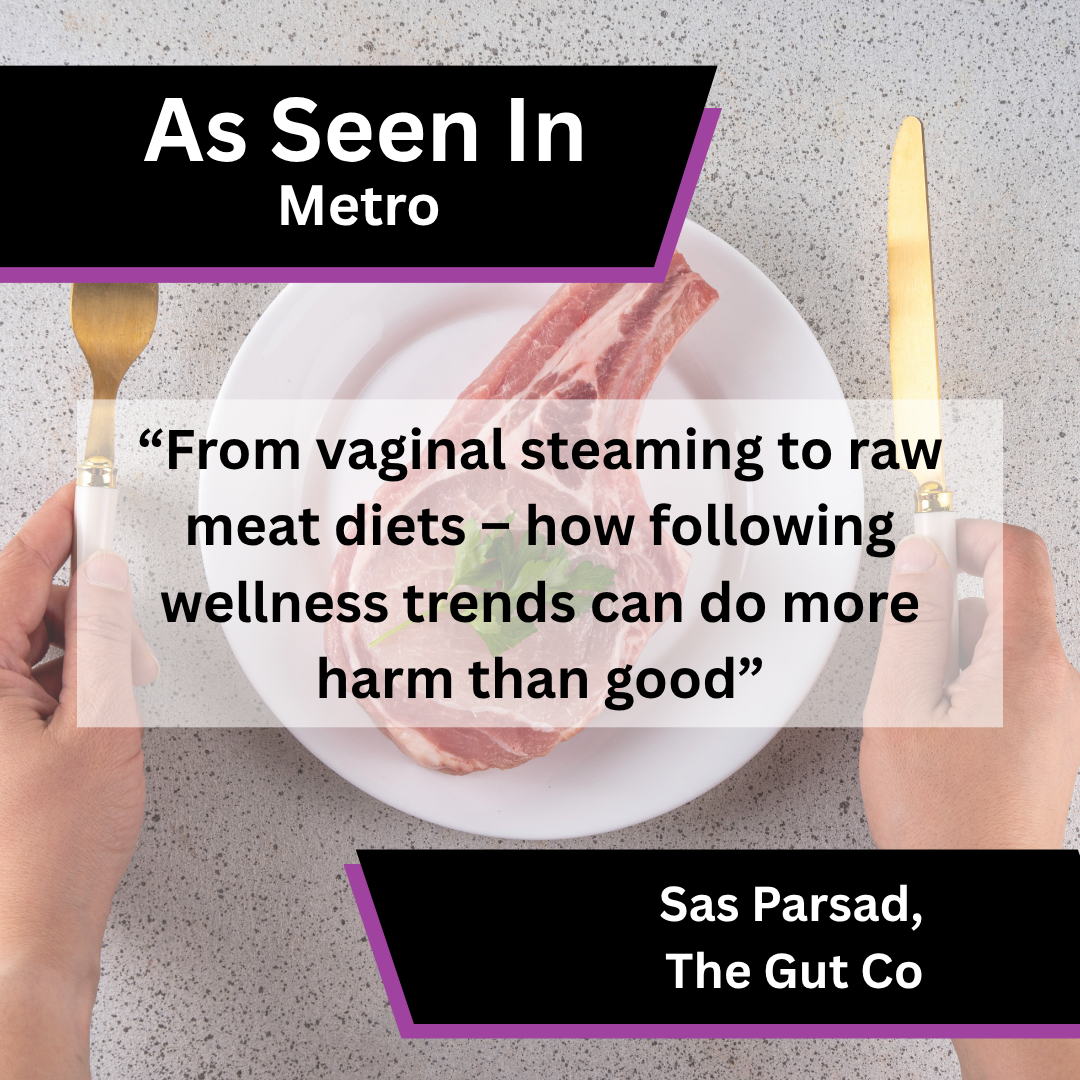
| Metro | 2022-07-07 | From vaginal steaming to raw meat diets – how following wellness trends can do more harm than good | Read article |
| Daily Express | 2022-07-08 | High cholesterol: The warning sign that appears on the toilet - It could be ‘dangerous' | Read article |
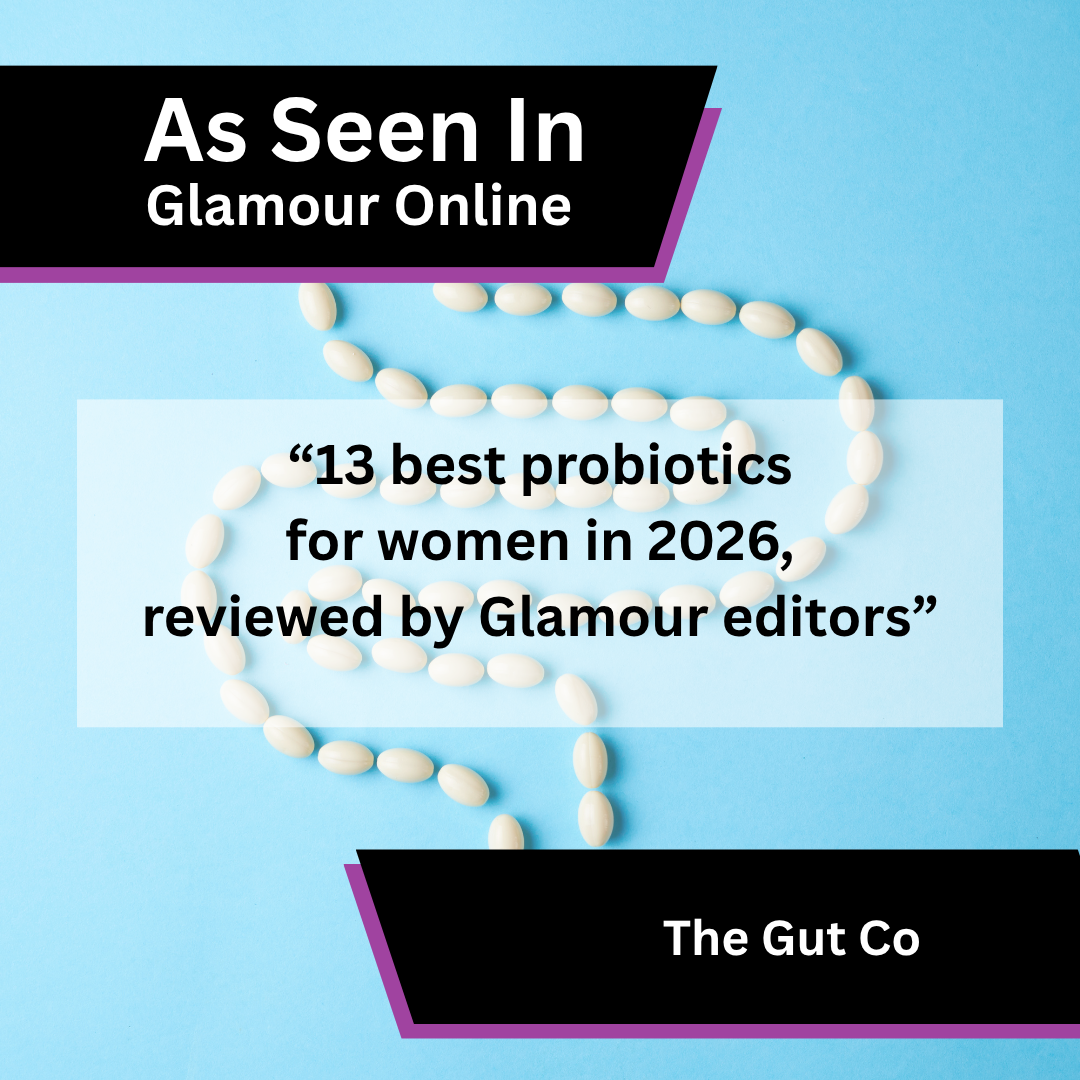
| Glamour Online | 2022-07-21 | 13 best probiotics for women in 2026, reviewed by Glamour editors | Read article |
| Daily Express | 2022-08-02 | Arthritis: The food 'fantastic at reducing inflammation' - the best time of day to eat it | Read article |
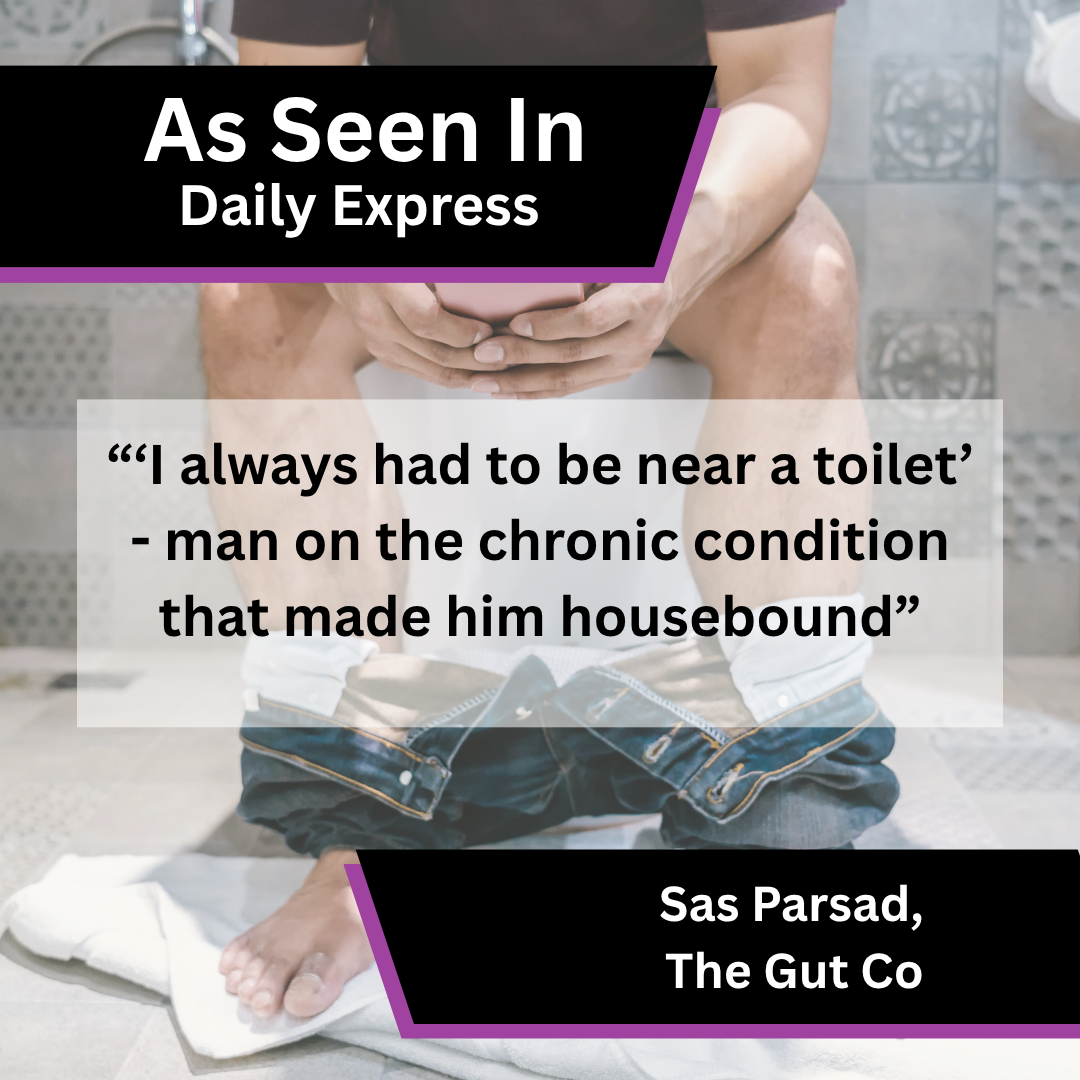
| Daily Express | 2022-08-13 | ‘I always had to be near a toilet’ - man on the chronic condition that made him housebound | Read article |
| Express | 2022-08-17 | Leaky gut could allow toxins into the bloodstream, expert warns - foods to prevent this | Read article |
| Daily Express | 2022-09-05 | High cholesterol: The breakfast ‘great’ for lowering cholesterol - recommended by expert | Read article |
| Daily Express | 2022-09-13 | Stroke: The ingredient consumed by millions could be raising your risk - 'Cut down' | Read article |
| Daily Express | 2022-10-23 | Casein linked to 'irritation' in joint tissue warns expert - found in breakfast foods | Read article |
| Daily Express | 2023-01-18 | Two signs on the face that may reflect poor gut health - risk of 'autoimmune conditions' | Read article |
| SHEfinds | 2023-03-03 | Best dairy replacement for gut health | Read article |
| Yahoo | 2023-03-03 | This Is The Best Dairy Replacement You Should Know About For A Healthier Gut, Experts Say | Read article |
Images from the coverage




What made this campaign relevant
This case demonstrates a route for a specialised wellness business to earn wider visibility by contributing useful, accurately qualified explanations about subjects readers already care about.
The important pattern is that a relevant client can be more than the subject of a brand profile. By connecting real-world expertise with practical, newsworthy questions, PR has more opportunities to fit the media's editorial interests. The archive provides a concrete example of that principle, while its limitations remind us to keep measures of activity, independent publication and business impact distinct.
Other businesses should not assume the same number of placements or the same outlets will be available. Every campaign depends on the news cycle, professional credibility, the strength of the story and the material the client can provide. The useful takeaway is the editorial approach, not a guaranteed output.
Results at a glance
| Result | Details |
|---|---|
| Client | The Gut Co |
| Campaign duration | 12 months, as confirmed by Jordan |
| Historical press archive | 26 publication items, 24 distinct linked article URLs; dated 2022-02-27 to 2023-03-03; this archive must not automatically be treated as a campaign-term-only result |
| Editorial approach evidenced | Our communications opportunity was to position the business as a helpful source of informed, understandable context in a crowded wellness market where editorial scrutiny of health claims matters. |
| Scope of results | Recorded media articles and themes, not independently measured sales, leads, search rankings or product performance |
Frequently asked questions
How did The Gut Co become relevant to media coverage?
By connecting its specialist knowledge to questions that different journalists and audiences already cared about. The recorded appearances span connected topics, rather than relying solely on brand announcements.
Do the historic results all belong to one campaign term?
The client-confirmed term is 12 months, but the publication archive may cover a different date range. The table and totals are labelled accordingly so readers can distinguish the two.
Does the archive prove a commercial return on PR?
It demonstrates documented coverage opportunities and subjects, not independently verified sales or traffic attribution. Business outcomes require their own measurement.
Could your business use wellness pr?
Fair Public Relations helps credible founders, businesses and professionals develop journalist-ready angles, evidence-backed stories and practical expert commentary.