

John Abroon, M.D. | four-month PR engagement
13 historical medical-media records associated with Dr John Abroon
Dr John Abroon's historical media archive demonstrates how a qualified medical spokesperson can help journalists address questions that readers are already asking about health. Thirteen original publication URLs link him with discussions of possible dementia warning signs, heart health, common medicines, cold and flu season, conflicting health information and supplement-related questions. The publishers range from regional and national news to dedicated consumer health resources such as Drugwatch and The Checkup by SingleCare.
The account owner confirms a four-month PR engagement. The archive dates extend from 28 June to 5 December 2025, more than four months. We therefore distinguish the confirmed contracted duration from the broader publication archive instead of saying thirteen articles were all published within the four-month term. Five of the thirteen entries are closely related editions of one dementia-related news story across different outlets, rather than five independently devised medical themes.
This case study is about documented media commentary, not patient advice. A source-linked publication record does not establish that a doctor's comment changed a person's health, attracted new patients or proved a particular medication was safe for any individual. Those are different outcomes requiring very different evidence.
The client: a physician available for carefully attributed medical commentary
John Abroon, M.D., is a New York-based internal-medicine and primary-care physician. An independent Mount Sinai profile lists his medical specialty as internal medicine, while The Checkup by SingleCare describes him in a published article as a board-certified internist. The verified source biography is a useful starting point because readers should be able to understand the clinical context in which a person speaks.
When journalists report on medical subjects, accuracy and boundaries matter as much as media reach. A source may explain a symptom in general terms, distinguish common from urgent situations or clarify why a medication interaction merits a pharmacist's attention. That should never be stretched into a personal diagnosis, a replacement for an assessment or a claim of specialist authority outside the physician's actual qualifications.
The public editorial examples associated with Dr Abroon are useful because they show different ways such expertise can be deployed: fast-moving news stories, deeper service journalism, and regularly updated health-education pages. The campaign's underlying pitch emails and exact start/end dates are not in the supplied source pack, so we do not invent a specific outreach timeline or promise that Fair PR originated every later syndicated edition.
1. A dementia-related news story with several published versions
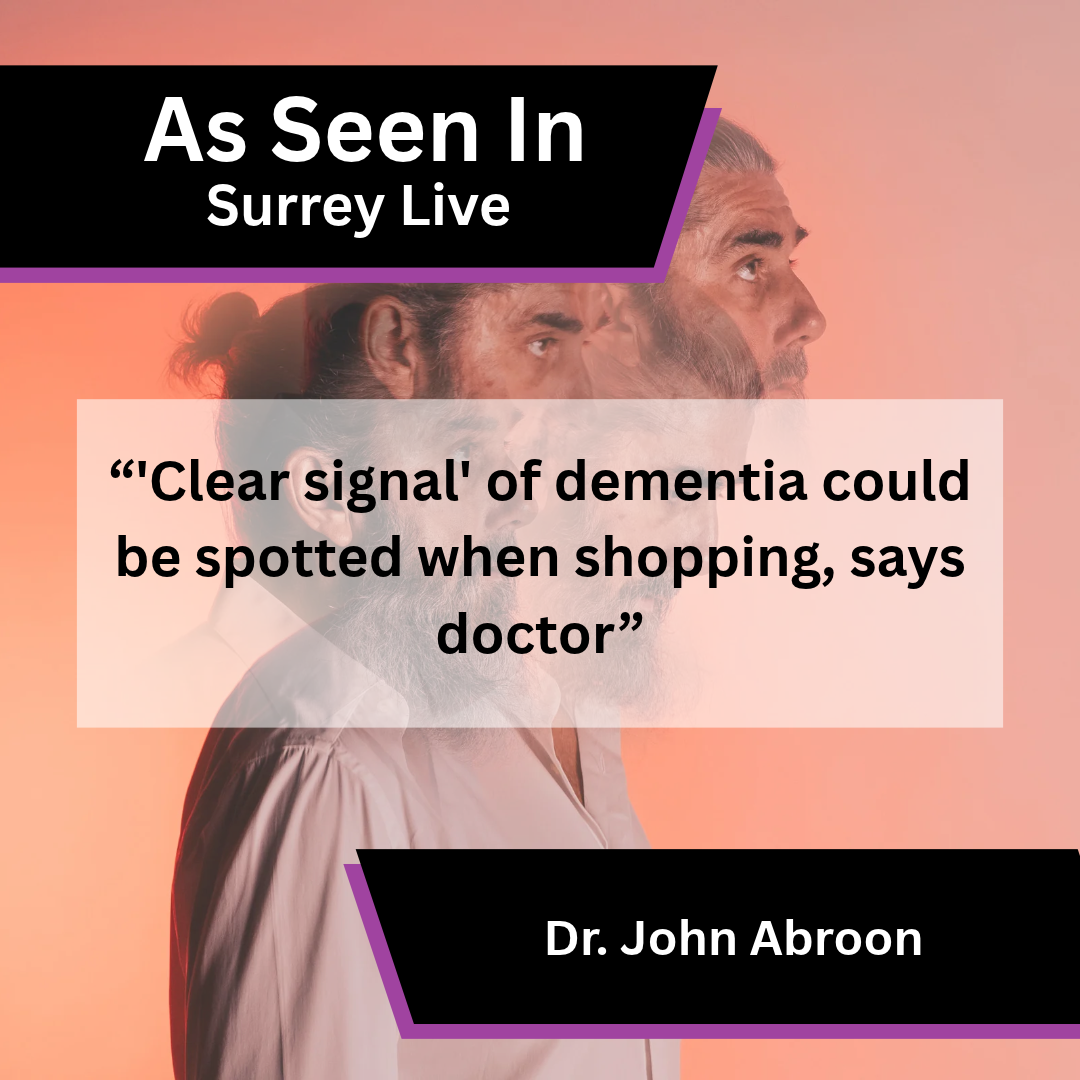
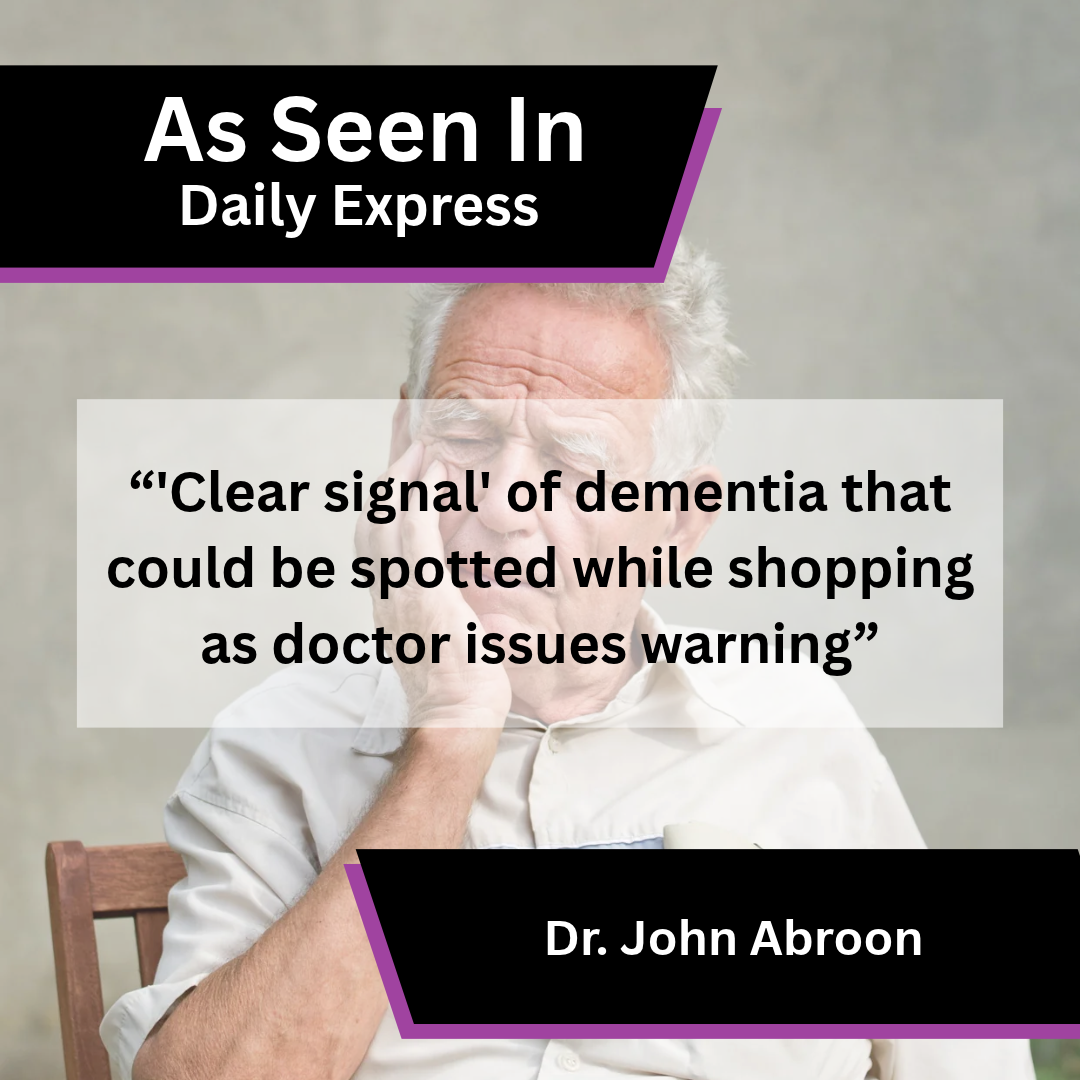
The earliest five records share a central question about changes in someone's ability to manage everyday shopping and whether those changes may warrant medical attention. Surrey Live, the Daily Express, Irish Star, The Mirror US and The Express US each have a distinct historical URL dated 28 or 29 June 2025. The publications are separate, but they concern closely related dementia-warning material.
For a medical spokesperson, this subject illustrates how an accessible observation from everyday life can provide a news hook. A reporter can connect a specialist's general context to a familiar activity, while still cautioning that one symptom by itself is not a diagnosis. Problems with shopping or decision-making can have different causes, and a clinician should examine the person and their broader history where appropriate.
The five original links belong in the complete historical publication results table, not collapsed out of the source archive. However, a truthful narrative must describe them as coverage of the same story family, not five entirely separate medical campaigns.
2. Heart-health concerns in mainstream news
The Sun's July 2025 health article examined less obvious ways people may notice that something is wrong with their heart, including changes that might be overlooked in ordinary life. It represents a different kind of editorial need from the dementia story. Readers want understandable explanations of warning signs, and a journalist needs a source able to distinguish general information from an individual medical assessment.
The original publisher URL and saved press image are present in the archive. The exact Dr Abroon quotation and context should be checked in that proof before any advice is attributed to him in the final published page. The case study does not list symptoms as a self-diagnostic checklist or imply that a newspaper comment can determine the cause of tiredness or sweating.
For a medical expert, this is an example of the importance of public-facing explanations, rather than publicity for a particular clinic treatment. It places the person's professional knowledge in the service of a concrete reader question. The historical media result is an editorial appearance, not evidence of a diagnosed or prevented heart condition.
3. Medication safety in detailed consumer health articles
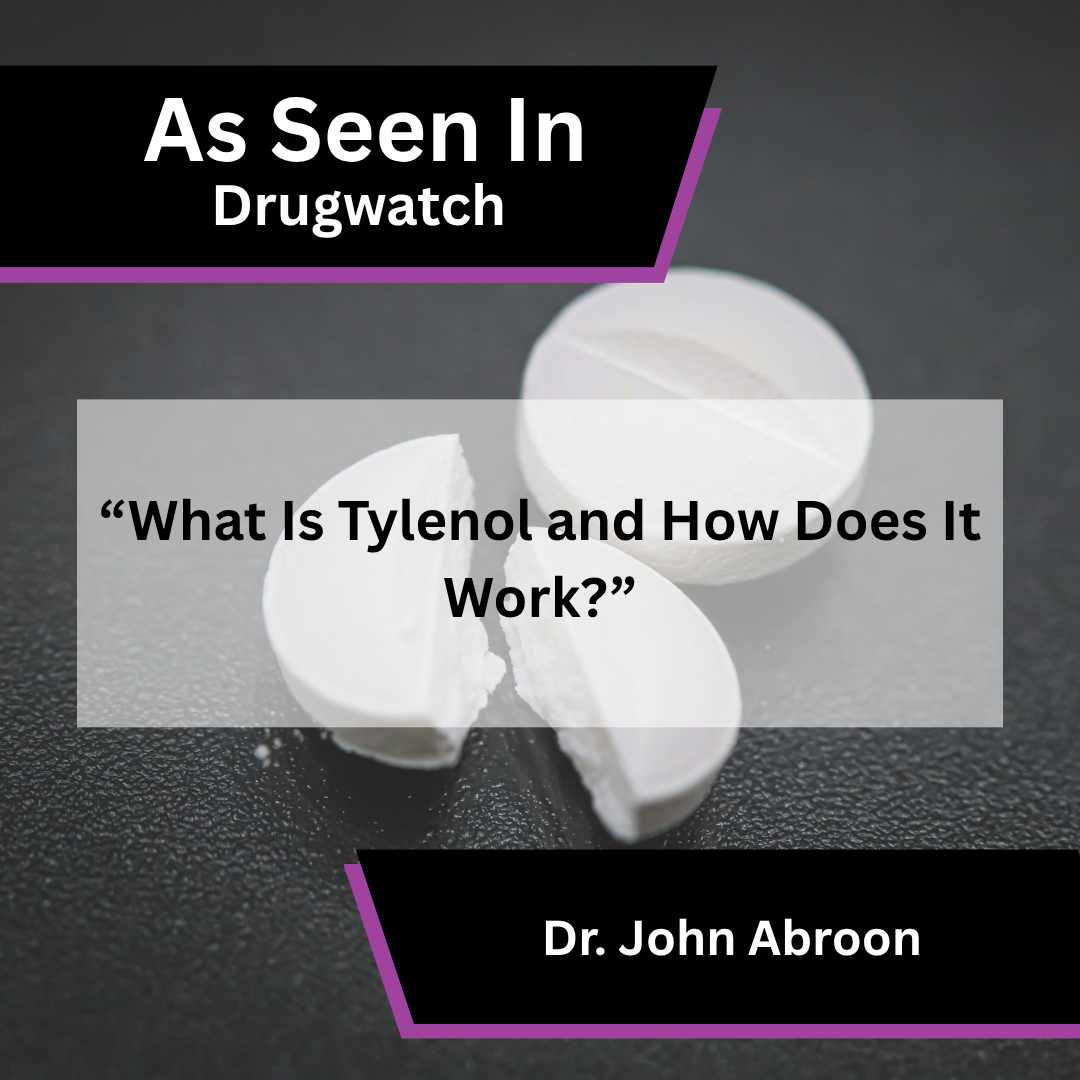
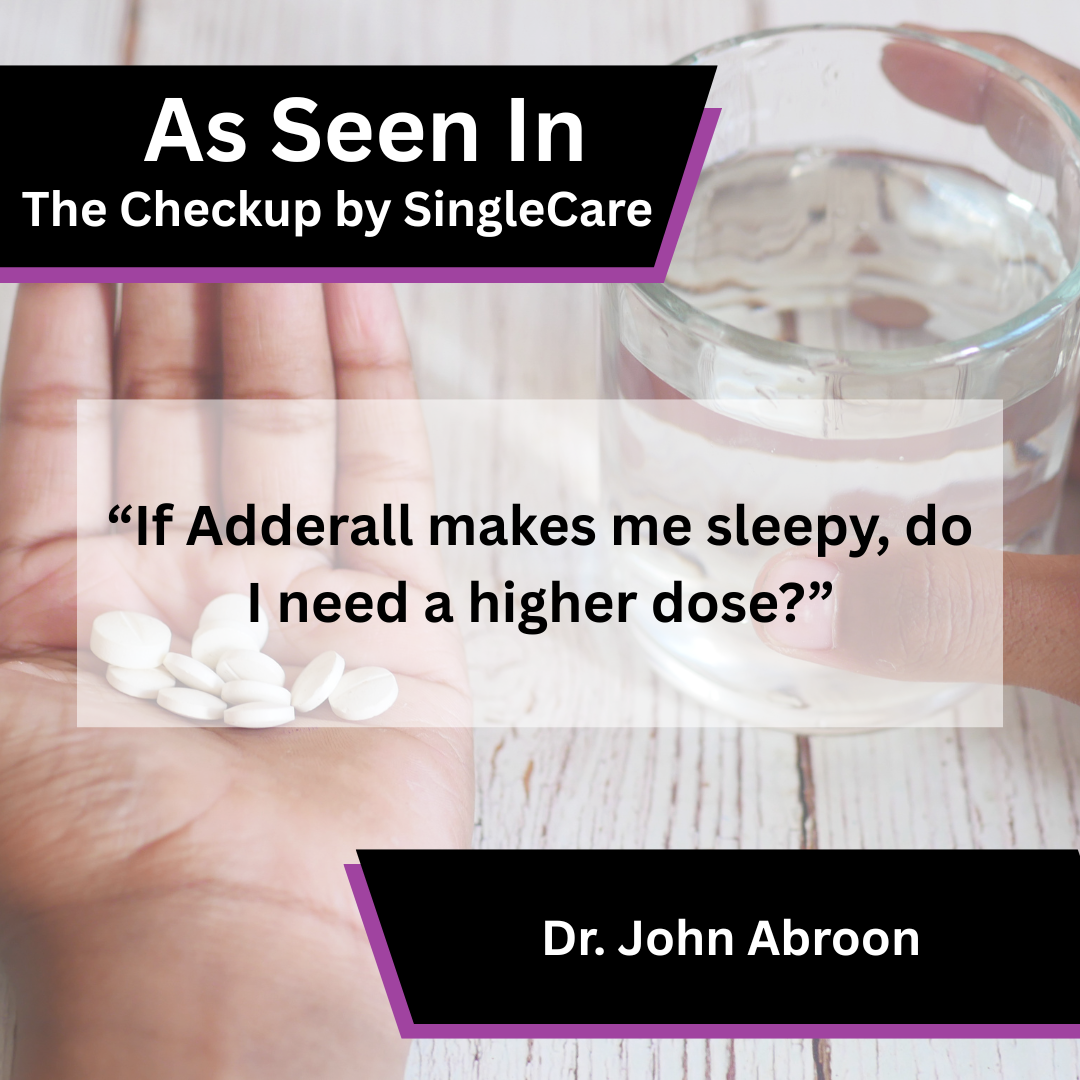
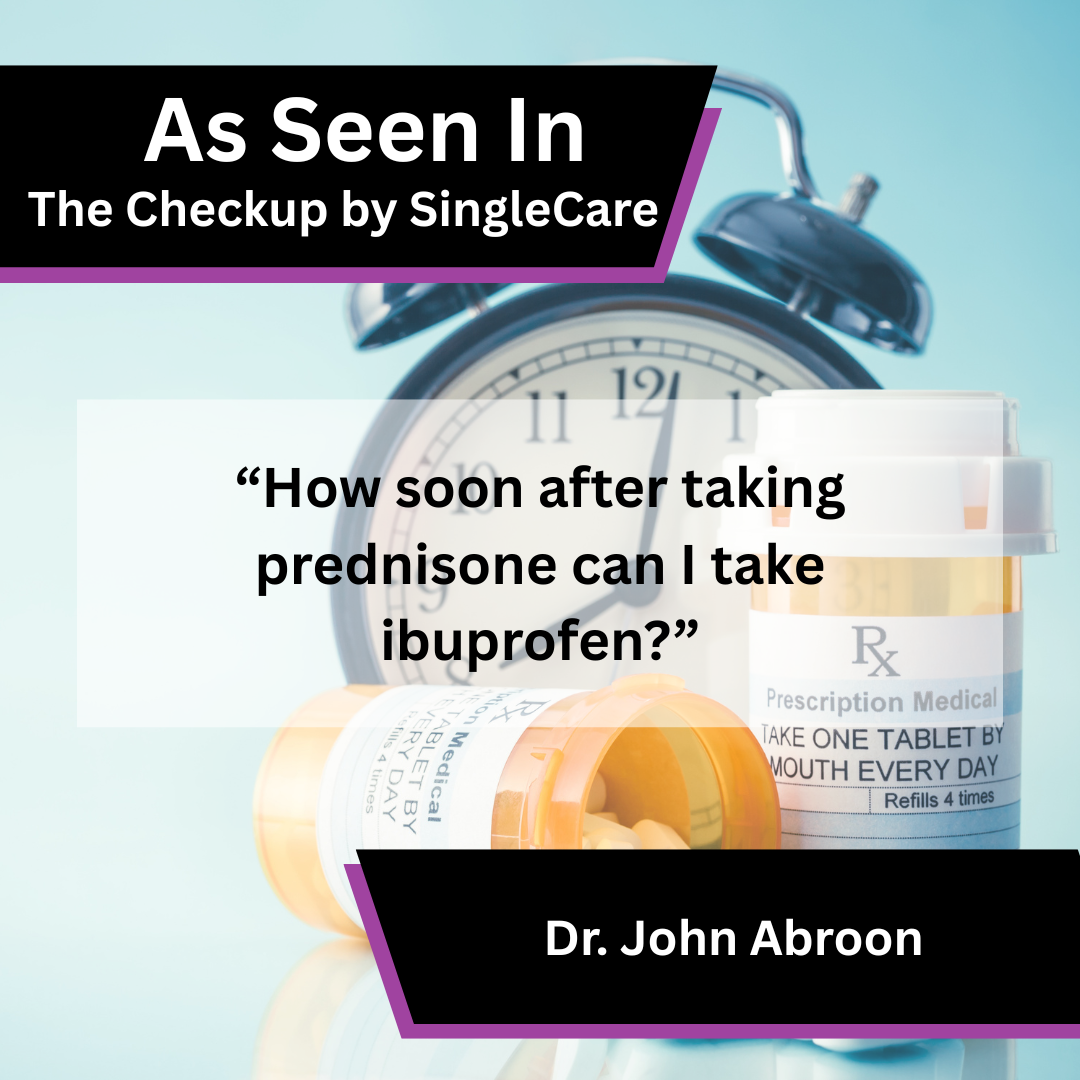
Drugwatch associated Dr Abroon with a guide to acetaminophen, commonly sold under the Tylenol brand in the United States. SingleCare subsequently published separate articles on interactions involving Mucinex, the timing of prednisone and ibuprofen, and the question of feeling sleepy after Adderall. Those are four different medication-related subjects across two publisher brands, rather than variants of a single press release.
The Mucinex piece is an especially clear attribution example. In the current SingleCare article, Dr Abroon is identified by name and qualification and explains that combination cold products contain different active ingredients and may raise concerns that do not arise in the same way with a single-ingredient formulation. Readers can see why the distinction between a brand and a particular product formulation matters.
These archived appearances are historical medical journalism, not current prescribing directions. Drug interactions, personal medical history and product labels vary. This case deliberately avoids reproducing dosage instructions or suggesting that a reader combine, stop or change medication because a particular media article includes a physician's comment. Exact historic quotes for the other three medicine records should be checked against the saved Image 1 files before inclusion.
4. Responding to seasonal consumer health questions
An October 2025 London Daily News feature offered a doctor's suggestions for the autumn flu season. The source archive records Dr Abroon as the associated spokesperson and provides a direct article URL, although that row has no Image 1 link. A genuine original press screenshot should be added before the gallery is considered complete, and any factual medical statement should be verified within its original context.
Seasonality can give a medically qualified person an appropriate route into editorial reporting. Newspapers and lifestyle sites return each year to questions about respiratory infections, common cold medicines and prevention routines. A reliable contributor can clarify established public-health principles rather than offering exaggerated claims about 'boosting immunity' or promising that a routine prevents illness.
The historic source title contains promotional language about immune-boosting tips. This case study does not convert that into an independently proven preventive claim. A doctor's actual quoted comment must be distinguished from a reporter's headline, and medical guidance should be understood within the recommendations current when a reader seeks advice.
5. Health literacy and interpreting conflicting information
The Upside published a feature in October 2025 about coping with conflicting health advice. For a primary-care physician, that subject is particularly relevant: patients encounter a mixture of expert recommendations, commercial marketing and personal anecdotes, often without an easy way to assess which claims are supported.
The editorial issue differs from a headline about one symptom or medicine. Here the reader is being asked to evaluate information itself. A credible source may encourage checking the qualifications behind a claim, understanding the limits of a study or asking a healthcare professional when advice conflicts. The archived article link and original press image exist, but the individual quotation attributed to Dr Abroon should be verified before Hershey reproduces it.
This type of appearance can demonstrate a valuable form of authority. It is not only about having a view on a fashionable topic. It is about helping a journalist communicate evidence carefully. Again, the case cannot infer that readers subsequently altered their healthcare decisions or that clinical outcomes improved.
6. Supplement questions and risks of treating trends as prescriptions
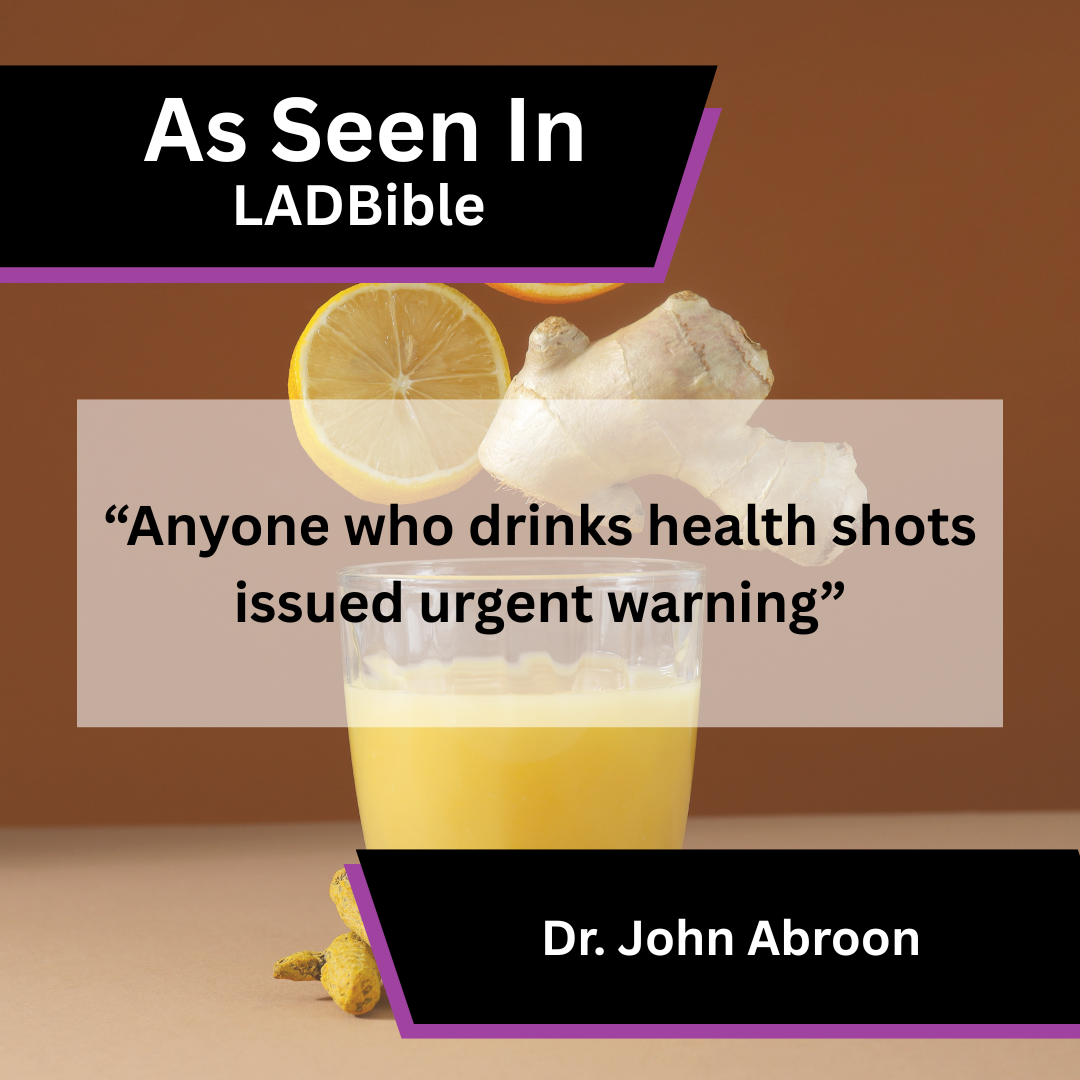
A November 2025 source row is TYLA. Its article considers possible issues associated with drinking excessive quantities of ginger shots. The public results table should therefore identify the publication as TYLA while retaining the original client's source record; the distinction prevents presenting a group brand as the precise title.
This was another timely consumer question, connecting a fashionable food or drink habit with uncertainty over what constitutes a sensible amount. The article should not be interpreted as proof that all ginger preparations are dangerous or that they deliver a specified medical benefit. It is also not evidence that a physician was involved in testing a particular retail supplement.
A responsible media strategy for health experts can include such queries, but only when the exact comment, caveats and professional remit are clear. The original screenshot link is available for the final attribution and image-rights check.
Results, counting and practical significance
The historical archive contains thirteen distinct source-linked entries. Five belong to one closely related dementia news story across several outlets. Three separate SingleCare articles concern different medications, and the other articles cover heart-health warnings, acetaminophen risks, the flu season, health literacy and ginger shots. This creates breadth across several themes without turning syndication into thirteen independent story ideas.
Only eight of the thirteen records presently have a saved Image 1 link. The other five are the Surrey Live, Daily Express, Irish Star, The Express US dementia versions and the London Daily News flu article. Those are genuine linked archive rows, not a reason to remove them from the publication table. Hershey must source their original permissible screenshots or other authentic evidence through the existing workflow before all eligible gallery entries can be displayed.
The four-month client engagement and the June-to-December media archive remain separate. The PubPB status labels mentioning backlinks do not prove a current live link, and there is no verified attributable lift in patient bookings, practice revenue, rankings or website leads. The meaningful supported result is the documented range of media opportunities and properly attributable physician commentary.
Published media coverage
Images from the coverage



Campaign details
| Result | Details |
|---|---|
| Client | John Abroon, M.D., New York-based internal medicine and primary-care physician |
| Independent credentials | Mount Sinai physician profile; SingleCare identifies board-certified internist |
| Confirmed PR engagement | Four months, exact contractual dates unavailable |
| Source-linked media entries | Thirteen online publisher URLs; five are related versions of one dementia story |
| Historic source dates | 28 June to 5 December 2025, broader than four-month engagement |
| Press-image sources | Eight saved Image 1 links, five missing original proofs |
| Subjects | Dementia, heart health, medication interactions, flu season, health information and consumer health trends |
| Not substantiated | No patient bookings, medical outcomes, prescription safety for individuals, sales or attributable SEO improvement |
Frequently asked questions
How long was Dr Abroon's PR campaign?
Four months, confirmed by the account owner. The associated historical publisher records extend from June to December 2025, so those dates are not treated as exact contractual boundaries.
How many media records appear in the source?
Thirteen distinct publisher URLs, including five related dementia-story versions. The case distinguishes separate appearances from independent editorial subjects.
Does the case confirm direct medical advice for readers?
No. It documents published medical commentary, not a clinical consultation, diagnosis or instructions for a particular person's medications.
Are all original press images ready for publication?
Eight source Image 1 links are saved. Five genuine original source-image links must still be obtained and cleared for reuse before a complete thirteen-source visual gallery is possible.
Explore medical and expert PR with Fair PR
For physicians, earned media can help explain complicated issues to wider audiences when commentary is properly qualified, sourced and sensitive to the limits of general advice. Fair PR helps health experts contribute to suitable editorial opportunities with clear evidence and accurate attribution. Explore Health & Medical PR, Private Medical Clinics PR and Expert PR. To discuss an appropriate programme, visit Contact Fair PR.
