
The Fibro Guy PR Case Study | 11 Historical Media Records
Eleven historical media records associated with The Fibro Guy's seven-month PR engagement across health, movement and business journalism.
The Fibro Guy's historical press file illustrates how a movement-focused business concerned with chronic pain and hypermobility could contribute to several strands of journalism. Eleven archived records include commentary about exercising with sciatica, movement and walking, managing illness at work, daily life with fibromyalgia and relationships affected by hypermobility. They also include business-related pieces in Forbes and Essex Magazine, and a print-style Natural Health item. The outlets include Metro, Live Science, The Sun, Daily Express, Forbes and others.
The account owner confirms seven months of PR support. The full archive spans 18 July 2022 to 22 June 2023, around eleven months. This case study treats the seven-month engagement and the wider archive as separate facts rather than asserting that every recorded article was published within exact seven-month contractual dates.
The value of these press examples lies in the different editorial questions the business could address, not in any claim that the coverage proves its treatment programme works. Journalism about illness is not a clinical efficacy study. No therapy success rate, symptom reduction, cure or patient outcome is inferred from the publication records.
Who was behind the commentary?
The Fibro Guy was founded by Adam Foster, whose current public biography describes him as a movement and rehabilitation coach with experience supporting people living with hypermobility and chronic pain. The service's positioning includes physical activity, movement education and practical support. This background can help explain why its name appears in articles about everyday mobility and living with persistent symptoms. It is not proof that Foster is a registered medical doctor, a chiropractor or a regulated clinical specialist in a particular discipline.
The archive covers several kinds of editorial contribution. Some articles ask for practical observations about keeping moving, while others concern the experience of managing an illness or running a specialist business. A named source's expertise must be specific to the question being answered. Where an article includes medical interpretations, the precise quoted person and qualifications need independent verification from the saved original image.
A responsible case study reports which media sources used the brand or its representative and keeps treatment marketing claims entirely separate. In particular, historic regulator findings about efficacy substantiation are not displaced by the fact that a newspaper quoted a business founder.
1. Movement advice in everyday-life media
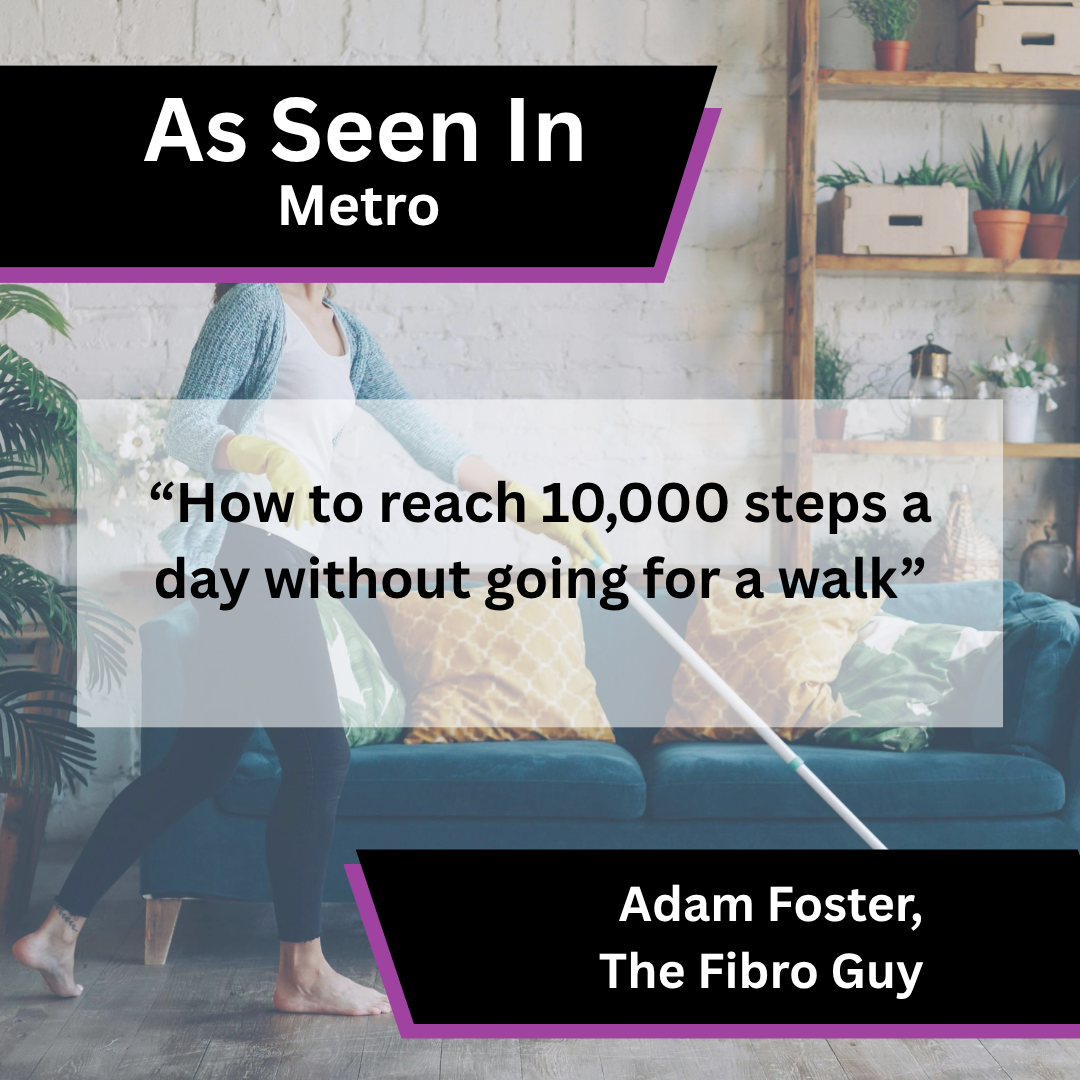
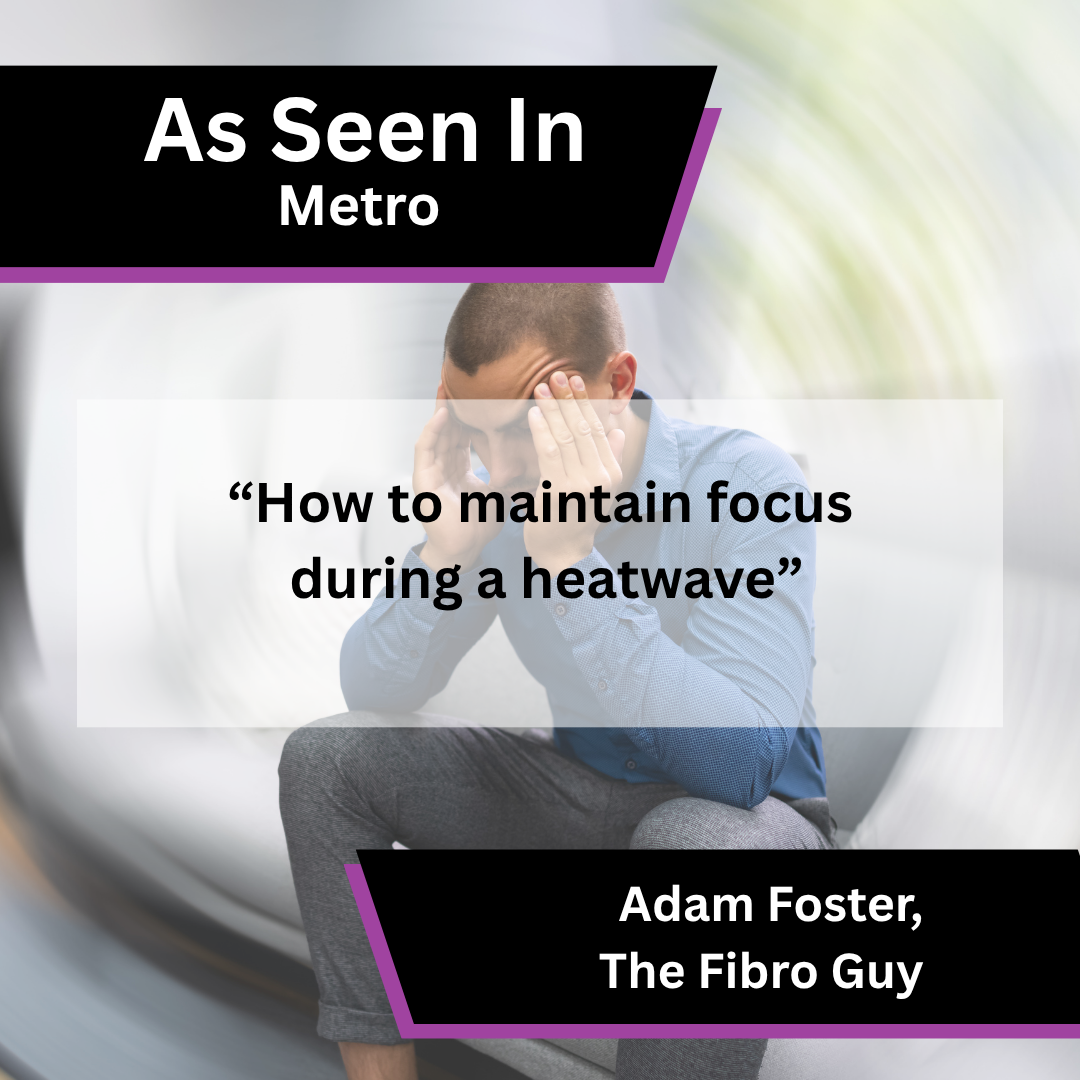
Metro recorded two summer 2022 pieces associated with The Fibro Guy. One asked how people could maintain concentration in a heatwave; another examined ways to build up daily step counts without necessarily going out on a conventional walk. The topics are accessible lifestyle questions, and they show why movement or health-related sources may be approached by broad consumer titles.
There is an important distinction between an editorial suggestion for ordinary daily activity and a clinical exercise prescription for a person with complex health problems. Individuals with mobility limitations or chronic conditions may need adaptations or professional advice based on their specific circumstances. The step-count article is a piece of journalism, not a guarantee that any prescribed target is suitable for everyone.
The original publisher URLs and saved press images allow Hershey to confirm exactly who spoke and whether their comments were used accurately. The case does not assume a particular medical qualification or treatment benefit based on the article's subject.
2. Sciatica, pain and movement questions in specialist and national reporting
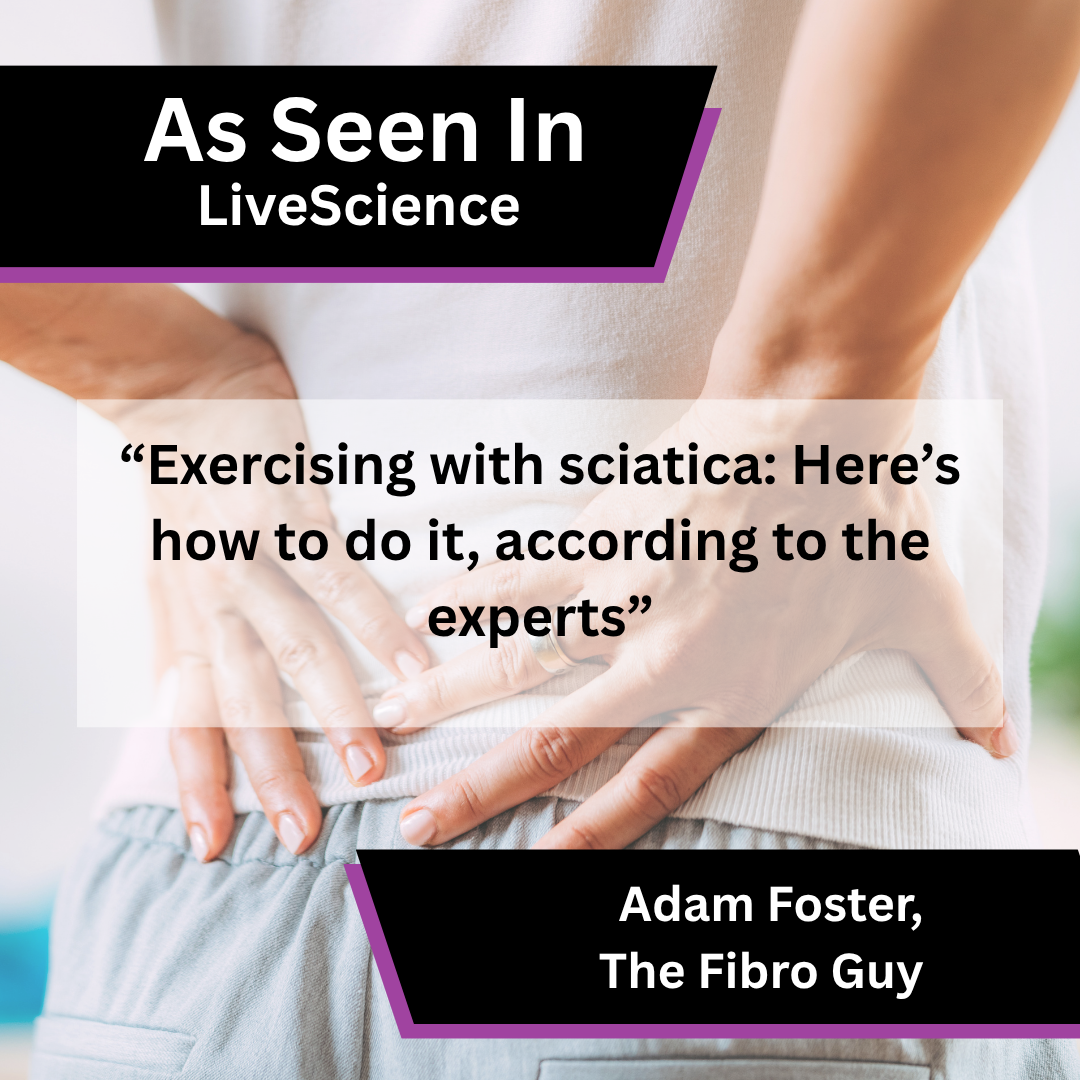
Live Science published a July 2022 article on exercising with sciatica that the archive associates with The Fibro Guy. A reader considering movement with leg or back pain may want to understand what general approaches are discussed, why discomfort can vary and when professional input matters. The article's relevance stems from the brand's subject-matter area, rather than from an advertising message promising a cure.
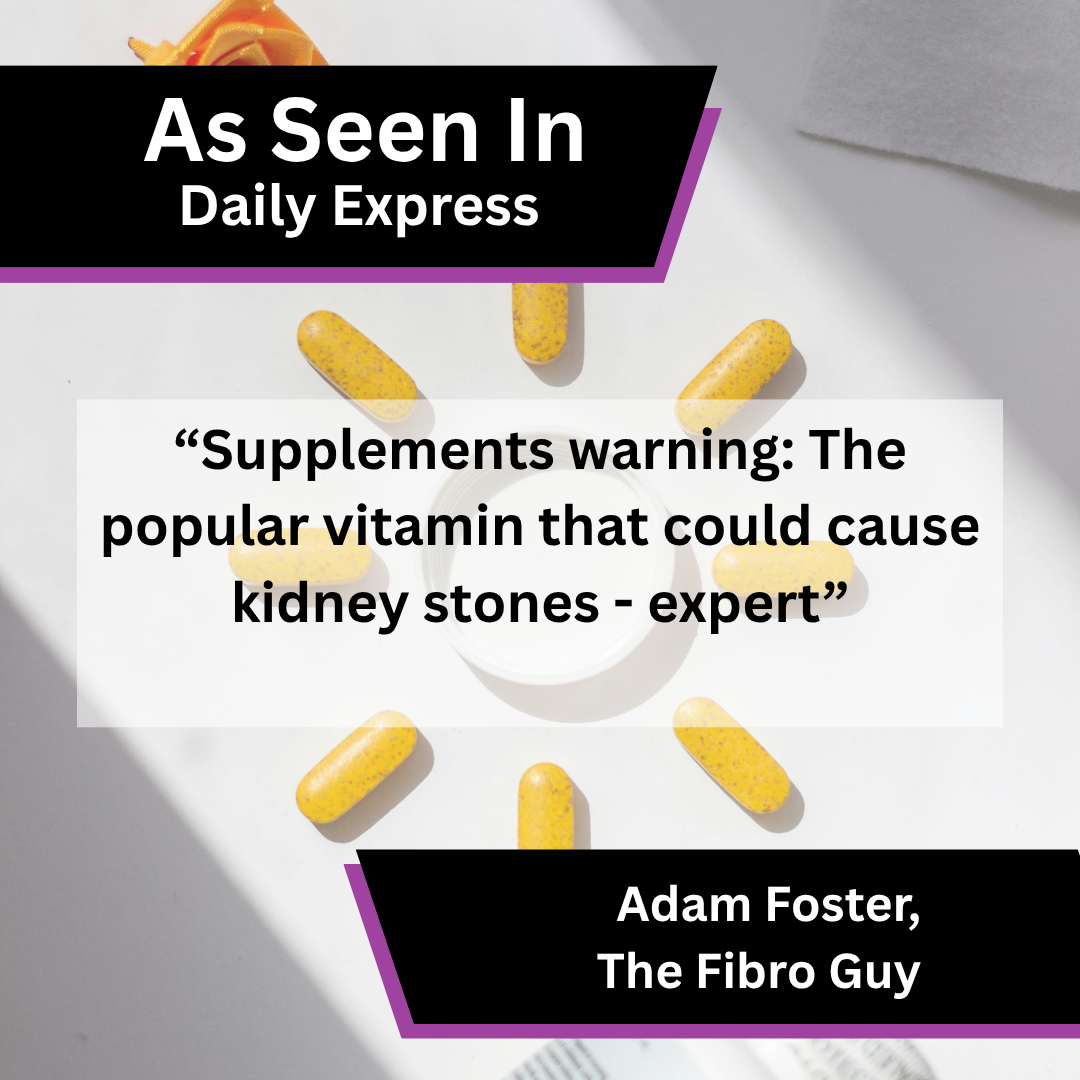
A Daily Express August feature considered questions about vitamin D supplements and kidney-stone risk. That is a different medical topic and one where a source's training and the exact wording are especially important. The saved Image 1 should establish the person quoted and their role before we present any advice as coming directly from Adam Foster. This case does not recommend particular doses of vitamin D or suggest supplements are a substitute for clinical assessment.
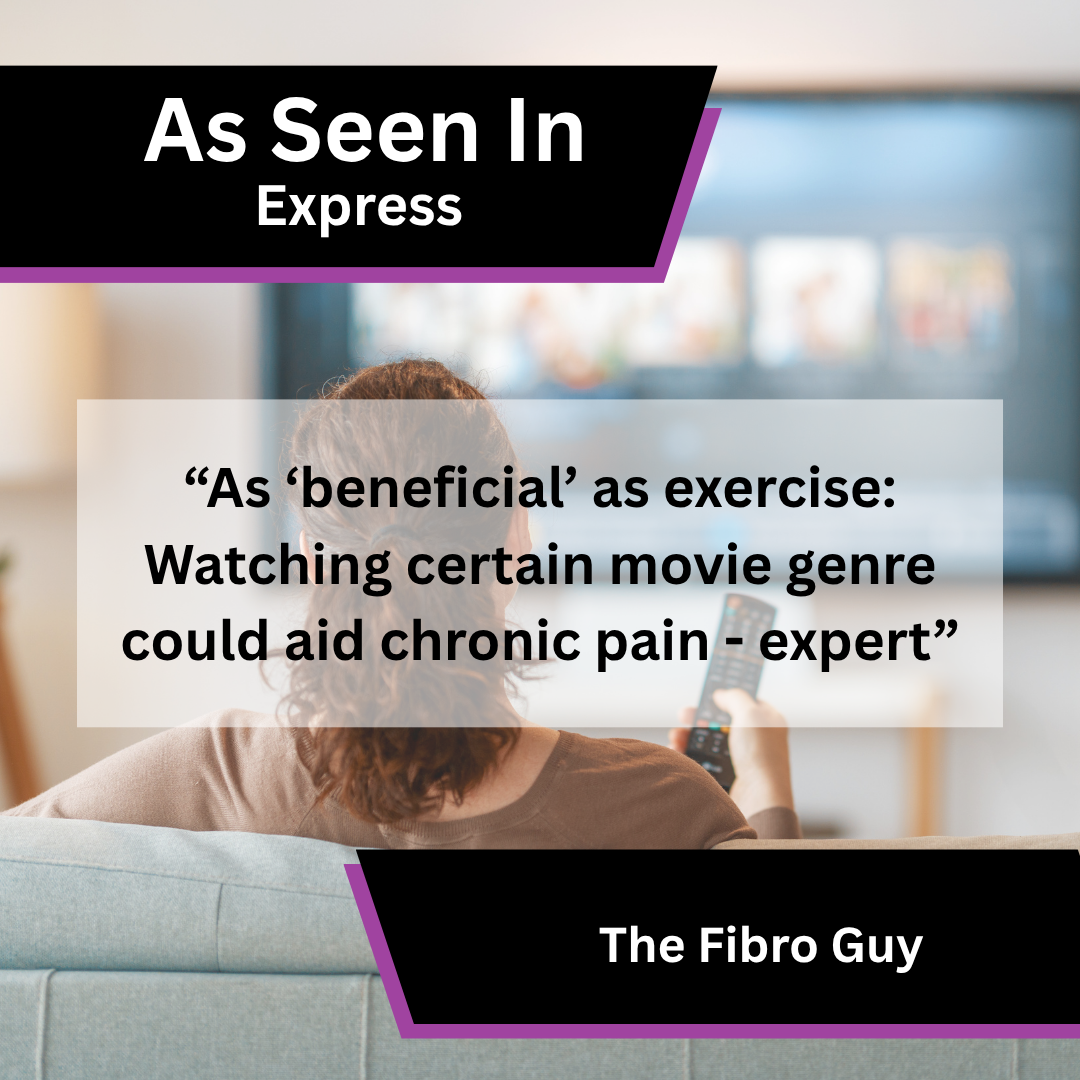
A later Daily Express piece linked chronic-pain discussion with watching horror films. Its headline implied a benefit, but the archive does not contain a clinical trial establishing that a genre of film effectively treats fibromyalgia or chronic pain. We describe it as a historical editorial discussion, not a validated intervention or an acceptable standalone treatment recommendation.
3. Personal stories and working life with chronic conditions
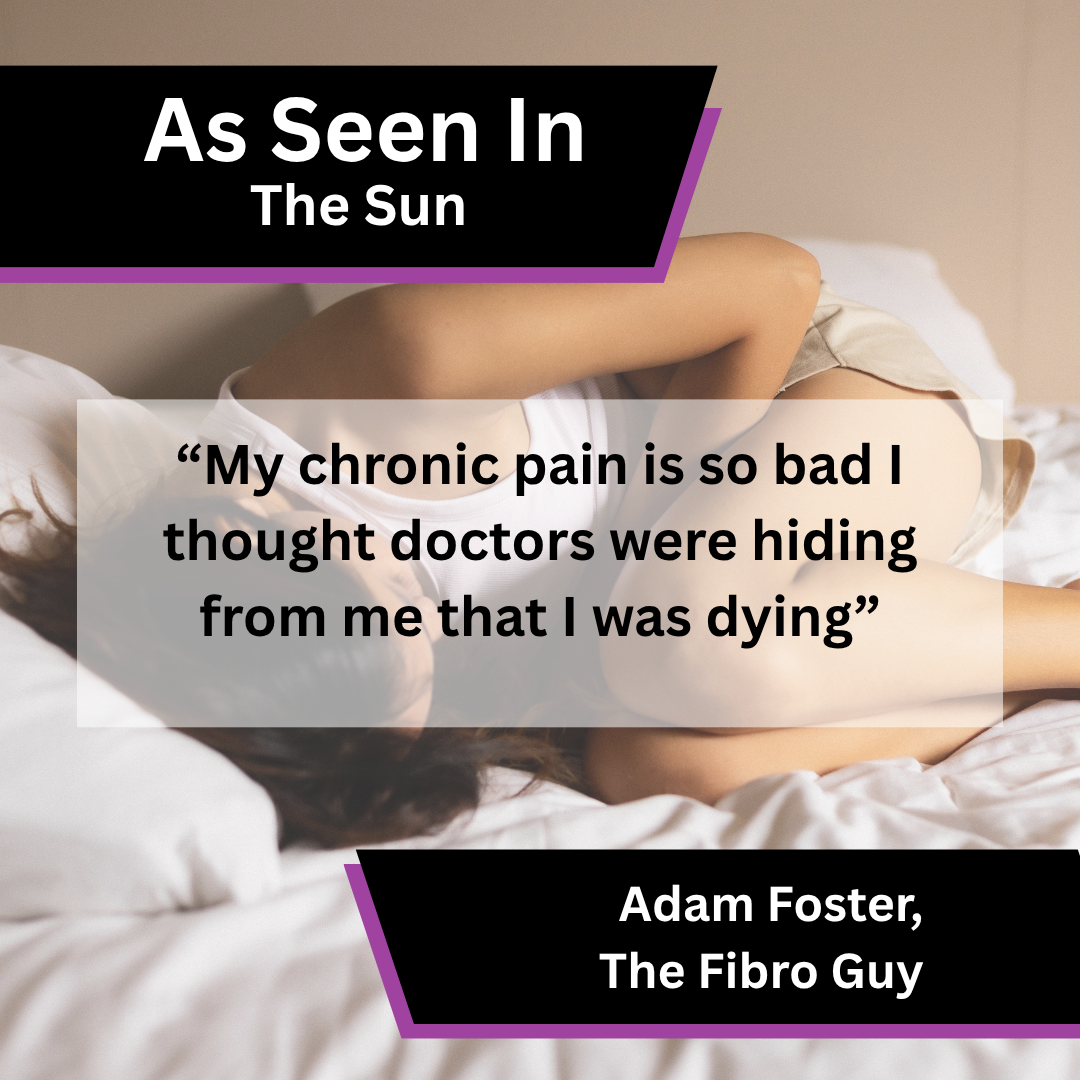
The Sun's August 2022 article reported a person's experience of severe fibromyalgia symptoms and the distress associated with trying to understand a persistent illness. The source archive links it to The Fibro Guy, but the original article image must clarify whether the company founder, a client or another person supplied the central personal story. Personal health information should be handled with particular care before reuse on a business website.
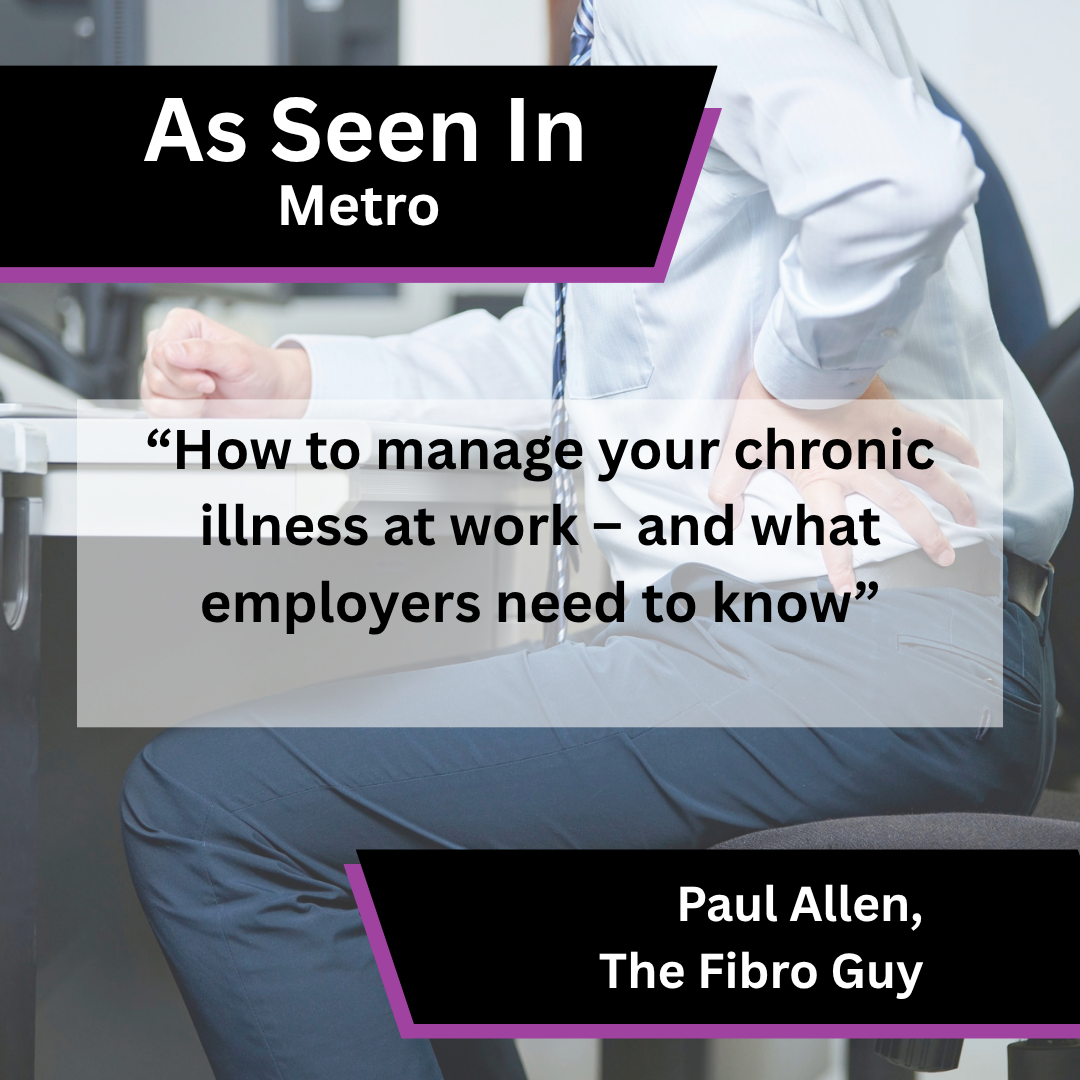
Metro followed in September with coverage about managing chronic illness at work and what employers might need to understand. That is a distinct issue: reasonable expectations, practical workplace support, communication and the way fluctuating symptoms affect daily routines. An expert may have a valuable perspective from working with people affected by illness without claiming to provide employment-law determinations or specialist medical diagnoses.
These articles address experiences that are often less visible than physical injuries. They can make subjects accessible to a wider readership, but should not be used to imply that an individual became well because of a branded programme. Nor should a patient or interviewee be presented as a case-study testimonial without clear consent and accurate attribution.
4. A broader quality-of-life perspective on hypermobility
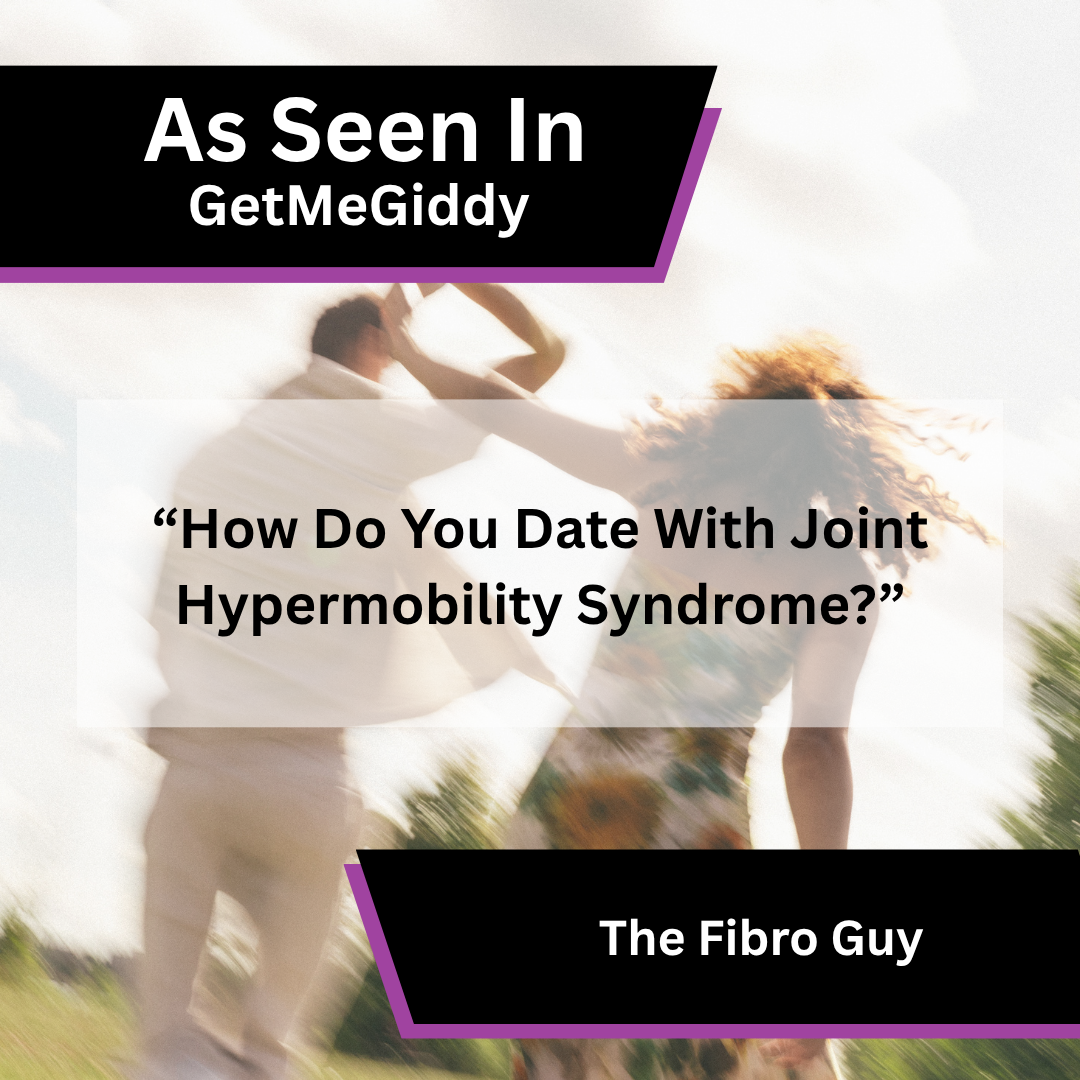
GetMeGiddy's June 2023 feature asked how joint hypermobility syndrome can affect dating and relationships. This is an example of a service-related specialist being relevant beyond an obvious 'exercise tips' headline. Everyday social activities, physical comfort, self-confidence and discussing boundaries are also parts of life with persistent symptoms.
The publication archive contains a direct article URL and Image 1 proof source. The final writer needs to verify which representative is quoted and whether the article includes a personal contributor whose permission is needed before their story or photograph is reused. We do not invent detailed patient narratives or present any person's private relationship information in the public case study.
The appearance demonstrates a possible editorial role for informed commentary on living with a condition. It cannot establish that a particular programme changes relationship outcomes, improves clinical pain scores or will suit everyone with hypermobility.
5. Entrepreneurship can provide a separate editorial route
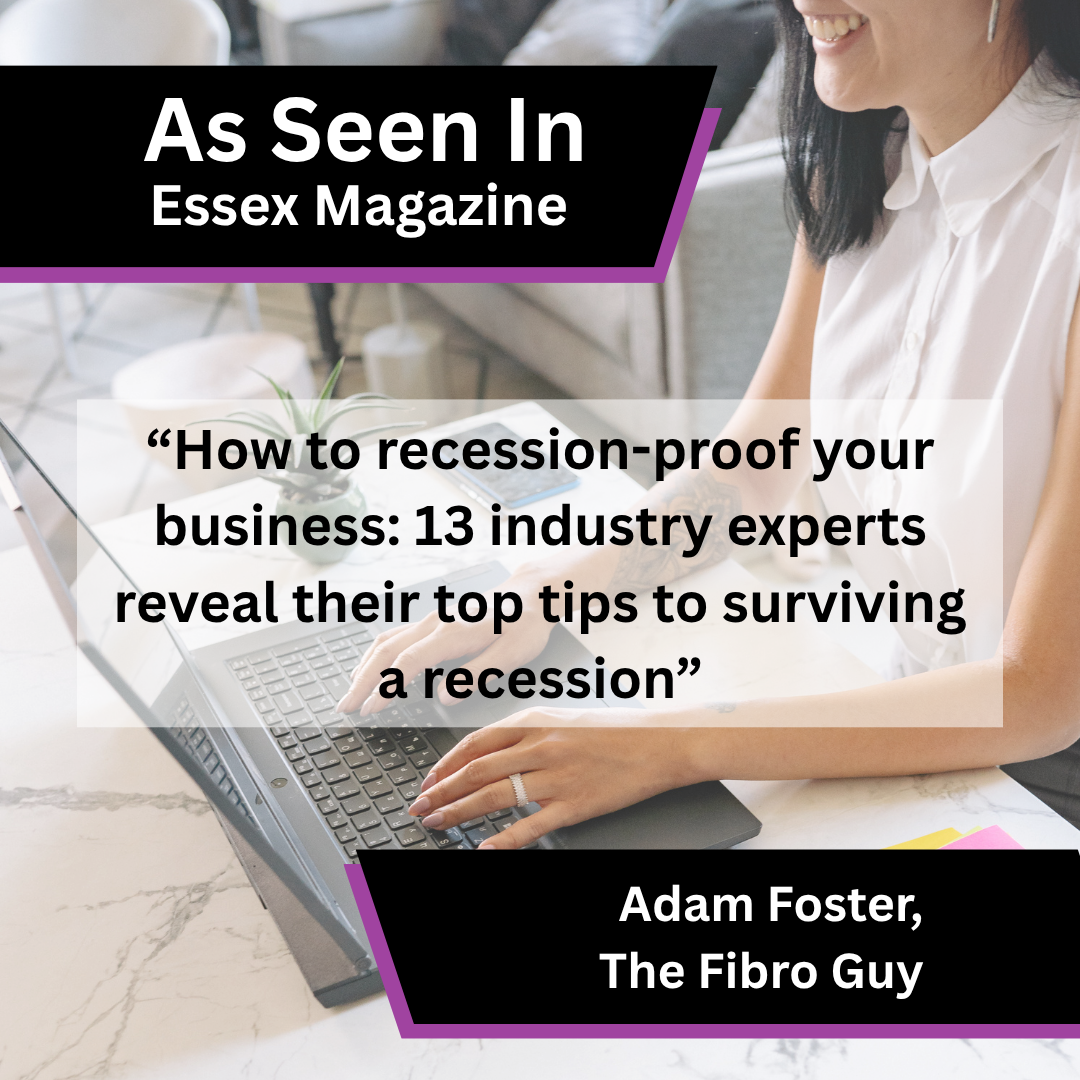
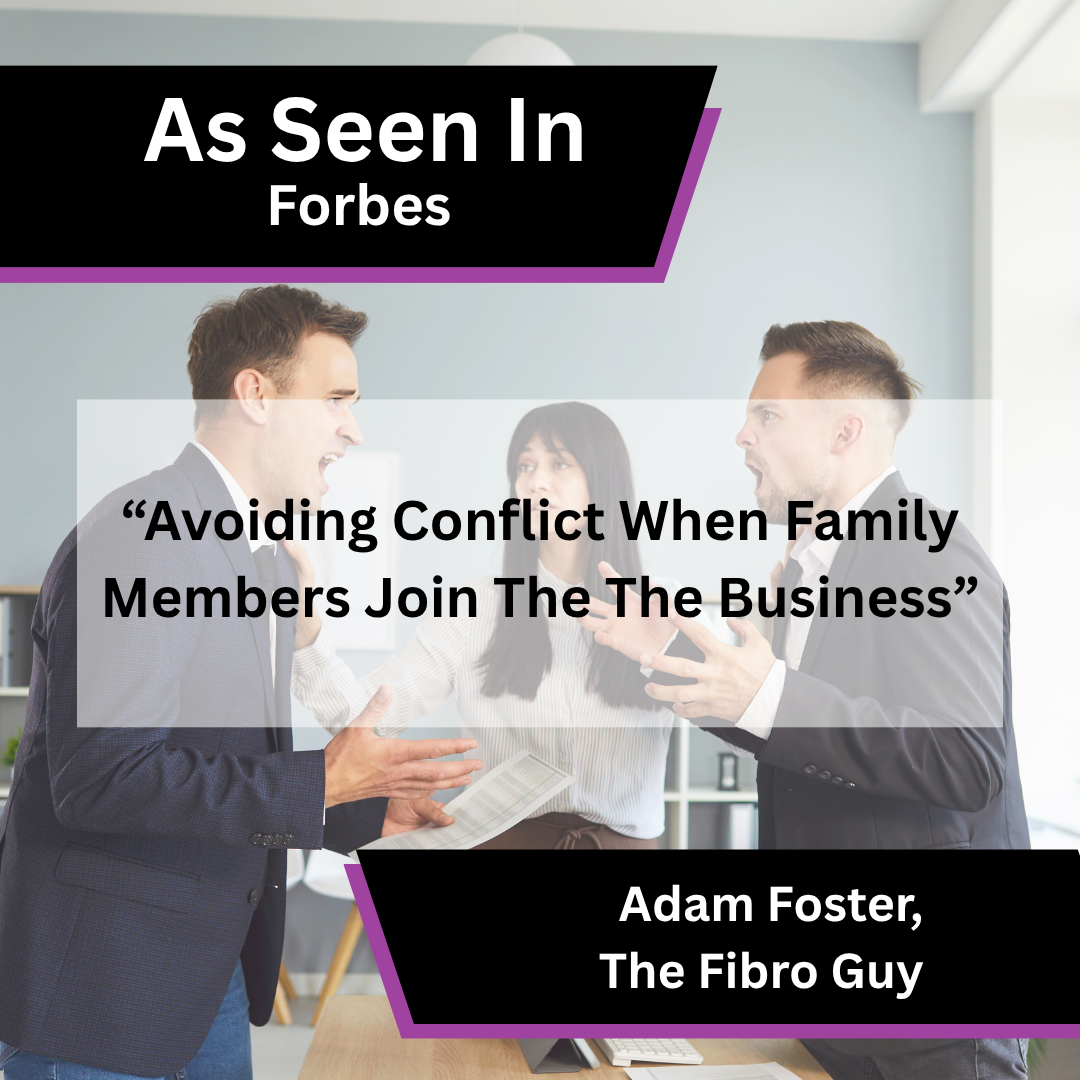
The Fibro Guy also appears in two business-facing publication records. Essex Magazine collected suggestions from industry representatives for navigating recession-related business difficulties in August 2022. Forbes ran an October piece about avoiding conflict when relatives become part of a family business. These are not medical treatment features, and that is precisely why they add variety to the press record.
A founder may speak credibly about the practicalities of building and operating a business as well as its subject-matter area. Such comments could concern communication with colleagues, managing a team or learning through mistakes. A final publication check must confirm the actual quoted founder or business representative rather than assuming the organisation appears in the article in a particular form.
For another business, the transferable strategy is to identify real experience that might be useful to a journalist's broader question. That does not require inventing a recession-proof profit formula, a family business success story or an unverified claim about the organisation's commercial performance.
6. Print coverage as a different proof format
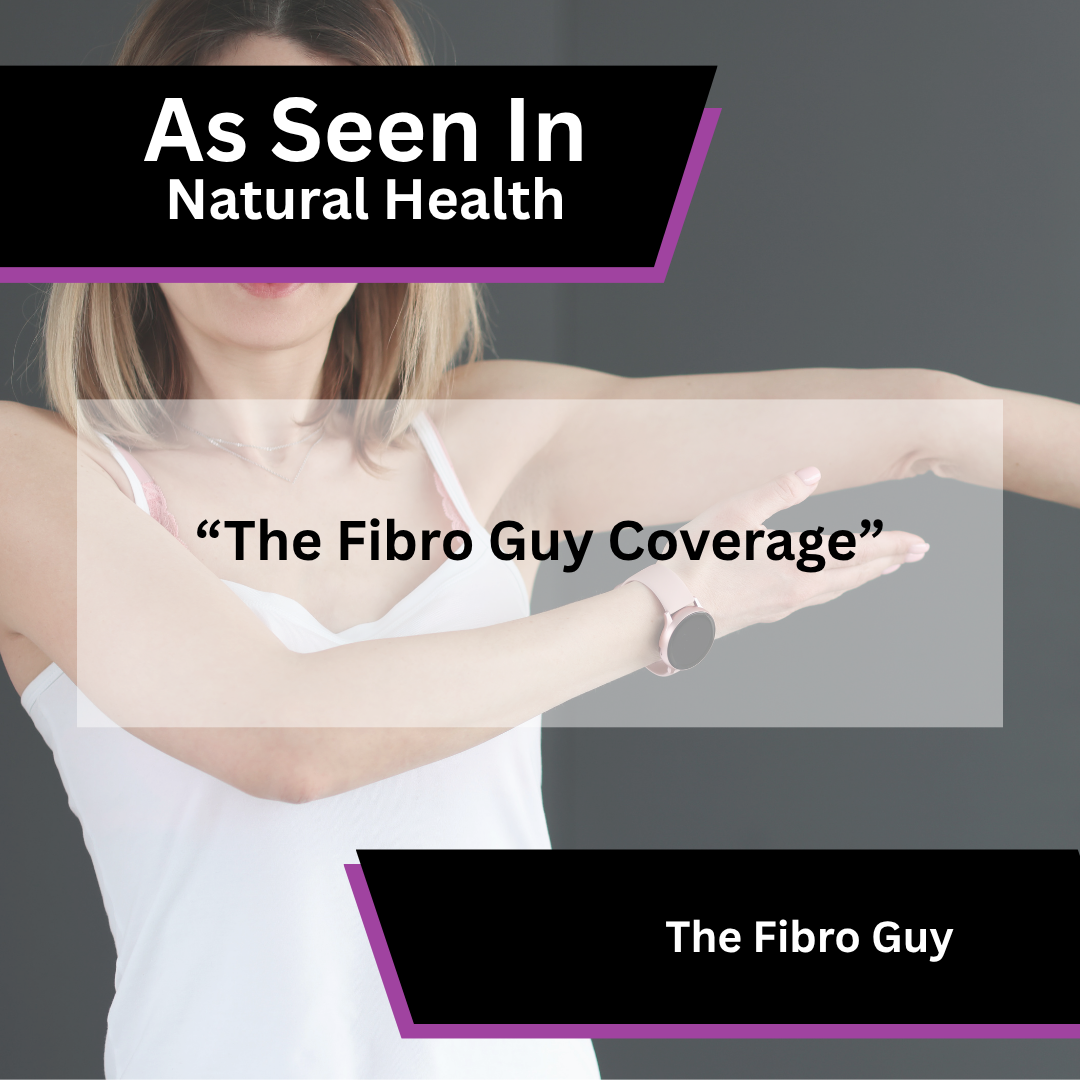
A Natural Health item dated April 2023 is recorded under the subject 'Chronic Pain'. It has a saved original press image but no independent public publisher article URL or complete headline. Its inclusion can still be appropriate as historical print coverage once the saved page is checked for publication title, exact content, date and client attribution.
The source should be displayed in the complete published-results table as an unlinked print or archive row, not given a fabricated online article address. Any photograph in the original print page carries separate rights considerations; a file saved in Drive is evidence of a record, not an automatic licence to reuse publisher photography.
This difference between online and print proof is easy to overlook when a website relies on a table of article links. A careful case study can preserve a genuine press appearance in its true format without inventing a backlink or modern online page.
Clinical and advertising claims: the boundary this case must keep
The supplied press archive contains genuinely varied published-media references. It does not substantiate whether a specific exercise, rehabilitation or coaching intervention treats chronic pain, fibromyalgia, Ehlers-Danlos syndrome or joint hypermobility. An Advertising Standards Authority ruling concerning The Fibro Guy Ltd previously upheld a complaint about unsupported treatment-efficacy advertising claims. That ruling is a reason to avoid converting historic promotional language or testimonials into objective health claims without strong independent evidence.
The distinction is straightforward. A publication quoting a source about a health subject is evidence of editorial participation. A claim that a branded programme improves an illness is a scientific and regulatory assertion that needs a different level of substantiation. The first does not prove the second. This case study should not describe a 'cure', a percentage of people who recover or claimed NHS endorsement where those claims are not supported by appropriate evidence.
The final editorial review should also verify the relevant professional titles. A historic headline referring to 'a chiropractor' does not by itself demonstrate that Adam Foster personally held that professional registration. In the visible copy we identify him using the movement-coaching description supported by his own public biography and avoid attributing clinical credentials that the press records do not establish.
What the eleven records establish
Eleven original client-associated media entries span eight publisher brands: Metro appears three times and Daily Express twice, alongside Live Science, Essex Magazine, The Sun, Forbes, Natural Health and GetMeGiddy; the 11 entries include one original Natural Health image-only record. All eleven have original Image 1 press-proof links; ten have original publisher article URLs.
The archived dates extend July 2022 to June 2023 while the confirmed PR support period is seven months. The source record does not give exact contracted dates, nor does it substantiate a specific number of new patients, therapy clients, symptom improvements, referrals, active live backlinks or sales. Those are not included as outcomes.
The media footprint does show several types of journalistic interest relevant to a founder operating in movement and chronic-health support: everyday movement topics, condition-related experiences, work and relationships, plus business ownership. That is useful evidence of editorial breadth when the original citations and permissions are verified.
Published media coverage
| Publisher | Archive date | Original media subject |
|---|---|---|
| Metro | 2022-07-18 | How to maintain concentration during a heatwave |
| Live Science | 2022-07-23 | Exercising with sciatica and considerations from experts |
| Metro | 2022-08-02 | Ways to reach 10,000 steps without a conventional walk |
| Essex Magazine | 2022-08-10 | Business owners' ideas for navigating a recession |
| Daily Express | 2022-08-17 | Vitamin D supplements and possible kidney-stone risks |
| The Sun | 2022-08-28 | Personal account of living with fibromyalgia and chronic pain |
| Metro | 2022-09-01 | Managing chronic illness in the workplace |
| Forbes | 2022-10-25 | Avoiding conflict when relatives join a family business |
| Daily Express | 2023-01-31 | A speculative article about horror films and chronic pain |
| Natural Health | 2023-04-04 | Original print item about chronic pain (original print proof, no publisher URL) |
| GetMeGiddy | 2023-06-22 | Dating, relationships and joint hypermobility syndrome |
Images from the coverage
Campaign details
| Result | Details |
|---|---|
| Client | The Fibro Guy, movement coaching and chronic-health support business |
| Named founder | Adam Foster, identified in the business's public profile |
| Confirmed PR engagement | Seven months, exact contract dates not supplied |
| Archived source items | Eleven, including ten original publisher article URLs and one Natural Health print image |
| Publisher brands | Eight, with Metro three articles and Daily Express two |
| Historic publication dates | 18 July 2022 to 22 June 2023 (longer than contract) |
| Original image proof | Eleven original Image 1 URLs; consent and photographer rights still require checking |
| Clinical efficacy | NOT demonstrated by editorial coverage; ASA regulatory ruling requires strict claim substantiation |
| Unsupported outcomes | No claims of cures, patient recoveries, quantified referrals, sales or verified current backlinks |
Frequently asked questions
How long was The Fibro Guy's PR engagement?
Seven months, confirmed by the account owner. The full historical archive spans July 2022 to June 2023, a longer period than seven calendar months.
How many press records are associated with The Fibro Guy?
Eleven historical entries, including ten public article URLs and one archived Natural Health print record. They cover several different editorial subjects.
Does the coverage establish that the business's treatment programme works?
No. Media appearances are not clinical studies, and the case makes no treatment-efficacy or cure claims. Any such claim would need independent clinical substantiation and applicable advertising-law review.
What is the editorial lesson?
Specific real-world knowledge and founder experience can be relevant to health, lifestyle and business journalists, provided each quotation is properly attributed and the content avoids exaggerated health claims
Explore evidence-led wellness and founder PR
People and businesses operating in health-adjacent fields must handle editorial commentary carefully. Fair PR helps develop properly sourced expert contributions around reader questions while respecting the limits of the source's training and the evidence available. Explore Wellness PR, Fitness PR and Expert PR. For an evidence-led discussion, visit Contact Fair PR.
