

AI & Cybersecurity PR in Practice
Seven recorded media appearances for Andy Pardoe, Michael Bannach and Cyphere
Artificial intelligence and cybersecurity are frequently in the headlines, but the real editorial opportunity for a technology expert is to help people understand a specific development and its consequences. That is what makes these three cases useful together.
This case study brings together seven documented media appearances for Professor Andy Pardoe, Michael J Bannach and cybersecurity company Cyphere. Pardoe and Bannach each worked with us for two months. The archive includes WIRED, two articles in IT Pro, TechRound, Energy Monitor, Yahoo News UK and Ireland, and d&i Leaders. Each client has a distinct contribution and set of results.
Why these technology experts were relevant to different journalists
An AI researcher may be able to explain how new capabilities affect privacy and the workplace. A business technology leader may have experience of how organisations govern their employees' use of AI. A cybersecurity specialist may help readers understand the challenges of investigating an attack. The broad field is shared, but their relevance to individual stories is different.
For a technology business or expert, this distinction is fundamental. A useful introduction to the media explains not only who a person is, but what they can reliably explain and why their perspective matters to a particular audience. A journalist needs more than someone's willingness to talk about the latest AI development.

Professor Andy Pardoe: the implications of artificial intelligence
The outstanding piece in Pardoe's archive is WIRED's July 2024 analysis of Apple Intelligence and the hybrid AI approach used by Android. Pardoe contributed a perspective on privacy, data protection and accountability when technology companies collaborate.
This was an opportunity to contribute to an important technology development without having to announce a new product or business of his own. An independent expert can help a journalist evaluate what a significant announcement means, rather than simply explain what a manufacturer said at its launch event. Such an article can be a meaningful example of professional expertise because readers encounter the expert alongside the issue they are interested in.
AI and the way people work
Pardoe's coverage also included d&i Leaders' feature on artificial intelligence in coaching. This is a different setting for an AI expert. The question is not how much computing power a particular model has, but what changes when an individual or business uses technology as part of a development or coaching process.
Workplace specialists and people leaders may be interested in the role AI can play, its limitations and the importance of human judgement. A technically informed contributor can be relevant to that discussion without presenting themselves as an HR professional.
The Yahoo News UK and Ireland record concerns artificial intelligence and job applications, including CVs and interviews. It moves the same broad subject into the everyday experiences of jobseekers. A relevant technology perspective can help make sense of a practical change in the recruitment process, rather than treating every new capability as inherently desirable.
These two examples demonstrate how a credible AI expert can reach audiences outside the technology trade press. The common thread is genuine subject relevance, not a desire to gain coverage in every possible outlet.
AI and energy infrastructure
Energy Monitor covered whether artificial intelligence could help or hinder the energy transition. Pardoe's contribution addressed AI's application to energy systems. The article offers a useful example of the intersection between specialist technology knowledge and a wider environmental and industrial question.
For technology businesses, this kind of coverage may be relevant when their expertise overlaps with a particular industry. It does not mean that an AI spokesperson has worked as a renewable installation specialist or that every AI application is sustainable.
The four recorded appearances demonstrate a coherent professional identity with a range of editorial applications. Their publication dates extend beyond the two-month engagement; the record presents actual published appearances rather than implying that every article appeared within exactly two months.
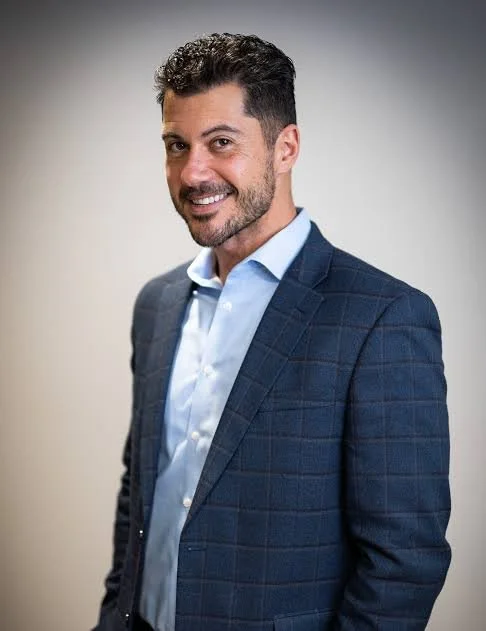
Michael Bannach: AI governance and data ownership
Michael J Bannach's coverage included a dedicated TechRound interview about employees disclosing confidential company information to AI tools, and the safeguards organisations need to consider when adopting them.
This issue matters because the use of general-purpose software does not necessarily happen entirely within a company's established technology policies. Employees may look for a tool that simplifies a task without having considered the sensitivity of the information they enter. Editorial content on this subject needs a source who can discuss the relationship between useful technology and realistic governance.
A founder who can offer relevant examples and explain the practical challenges has a more compelling editorial proposition than one who simply wants a journalist to introduce their business.
IT Pro's article about the Solid Project took up a different data-governance question. Bannach was quoted about the implications of decentralised data ownership for businesses. The coverage was written for an enterprise audience considering how technology affects management of information and the relationship between a business and the people whose data it holds.
Together, the two pieces illustrate the value of both a dedicated interview and a contribution to a specialist feature. The two-month engagement's recorded coverage concerns actual business decisions about technology and data, not a claim that any particular company achieved a security or compliance outcome.

Cyphere: cybersecurity expertise in specialist reporting
Cyphere's archived IT Pro article, The keys to catching a cyber crook, concerns the investigation of cybercrime and the challenges of identifying the people responsible. The archive identifies Harman as the contributor.
A specialist publication's readership has reason to be interested in this question regardless of whether the article is about one particular cybersecurity company. A technical source can help a journalist understand the investigative context. This is a concise example of directly relevant cybersecurity coverage, rather than a claim that Cyphere appeared in the other six articles.
Results
The complete archive for the three distinct clients comprises seven recorded editorial article URLs: four for Professor Andy Pardoe, two for Michael Bannach and one for Cyphere. These include a flagship WIRED appearance and two separate IT Pro features. The results demonstrate technical and professional relevance across privacy, data handling, cybercrime, AI adoption and industry applications. No claims are made about security incidents prevented, commercial sales or guaranteed visibility.
| Client | Publication | Date | Article | Read article |
|---|---|---|---|---|
| Cyphere | IT Pro | 2022-03-17 | The keys to catching a cyber crook | Read article |
| Professor Andy Pardoe | WIRED | 2024-07-04 | How Apple Intelligence’s Privacy Stacks Up Against Android’s ‘Hybrid AI’ | Read article |
| Professor Andy Pardoe | d&i Leaders | 2024-07-10 | Coaching and AI: bridging the gap between artificial and authentic | Read article |
| Professor Andy Pardoe | Energy Monitor | 2024-07-11 | Will AI help or hinder the energy transition? | Read article |
| Professor Andy Pardoe | Yahoo! News UK& Ireland | 2024-10-08 | AI and job searches | Read article |
| Michael Bannach | TechRound | 2026-04-13 | A chat with Michael J Bannach on employee disclosures to AI chatbots and approved AI | Read article |
| Michael Bannach | IT Pro | 2026-05-12 | What is the Solid Project and what could it mean for businesses? | Read article |
Images from the coverage




Further technology PR examples
Our Allister Frost case study looks at AI anxiety and workplace readiness from the perspective of a technology keynote speaker. The Trinity SES case study considers business technology and leadership, including CIO and Intelligent CISO; its latter coverage addresses leadership, not a technical cyberattack investigation.
Spectrum Search provides a separate technology recruitment example, while TAK Index illustrates online-safety expertise for parents and HUGO Energy App demonstrates the consumer application of energy technology.
Our Software, SaaS & Digital Transformation PR case study examines software and enterprise technology coverage through three further clients. These are complementary examples, not part of the seven appearances above.
Results at a glance
| Result | Details |
|---|---|
| Documented media appearances | 7 distinct editorial article records |
| Clients | Professor Andy Pardoe: 4; Michael Bannach: 2; Cyphere: 1 |
| PR engagement | Professor Andy Pardoe: 2 months; Michael Bannach: 2 months |
| Publications | WIRED, IT Pro (2 articles), TechRound, Yahoo News UK & Ireland, Energy Monitor, d&i Leaders |
| Themes | AI, privacy, data governance, workplace applications, energy and cybercrime |
Frequently asked questions
What coverage does this AI and cybersecurity case study include?
Seven documented article URLs include WIRED, two IT Pro articles, TechRound, Yahoo, Energy Monitor and d&i Leaders, across three distinct clients. Each contributor is credited only for their own recorded articles.
Can an AI expert become a useful source outside technology publications?
Yes. Pardoe's examples include coaching, recruitment and energy-industry questions. The opportunity arises where a journalist's subject genuinely intersects with the expert's knowledge.
How does technology PR differ from promoting a software product?
Expert commentary gives a journalist a relevant explanation or perspective on an editorial issue. Product PR can be appropriate for a genuine release, review or development, but an expert contribution need not revolve around a product announcement.
Interested in a similar approach?
Explore Fair PR's Technology PR, AI & SaaS PR, Cybersecurity PR and Sustainable Technology PR services, or contact us to discuss the editorial potential of your expertise.
