
Dentistry PR that makes clinical expertise easier to understand
Dental patients may be making a decision about a practice, trying to understand the purpose of an appointment or weighing information they have seen in the media. A dentist can play a useful editorial role by explaining oral health subjects responsibly, particularly when readers encounter simplified or misleading claims about procedures and products.
Fair Public Relations helps appropriately qualified dentists, dental practices and legitimate oral healthcare businesses earn independent media visibility. As a journalist-led agency founded by former UK national journalist Jordan Baker, we find the questions that editors actually want to answer and the professional who can address them. We do not present an article as a dental consultation, promise a particular outcome or imply that a publication recommends a treatment.
Dentistry & Oral Health PR
PR for UK and US dentistry and oral health professionals
UK dental practices and US dentists, dental practices and qualified oral health specialists can provide useful expert commentary about oral health, questions to ask a clinician and evidence behind common claims.
Editorial angles must be adapted to the relevant market, qualifications and rules on patient confidentiality and treatment advertising.
We focus on responsible explanations, not a promise of patient enquiries or clinical outcomes.
Read more about our UK PR agency and US PR agency approaches
Different dental specialists have different editorial strengths
A general dental practitioner may be able to discuss everyday questions about the purpose of an assessment and the importance of communicating with a dental professional. An orthodontist or another recognised dental specialist may bring a distinct perspective to a story within their actual professional training. A hygienist or therapist may contribute information appropriate to their own qualification and professional role.
We make the distinctions clear in the approved media profile. A practice with several professionals can develop different editorial themes around the team, rather than asking the owner to speak for every discipline.
A dental technology or product business may have opportunities around genuine design, product information or a documented development in the way its service works. Such claims require their own evidence and appropriate review. A cosmetic-focused business can sometimes be relevant to consumer beauty stories, but that does not justify treating an aesthetic claim as a proven dental benefit.
Our Beauty & Skincare PR service addresses the distinct buyer intent for cosmetic products and non-clinical expertise. If a practice offers dental procedures as well as other aesthetic services, we identify who is qualified to speak about each subject and avoid blending the two into vague promises about appearance.
Start with a real question a dental journalist can explore
Imagine a reporter preparing an article for people who are uncertain about what to expect at a dental appointment. A suitably qualified dental practitioner could clarify the general purpose of different stages of a consultation and why the information required depends on the individual.
The journalist might want to explain how a patient can raise a concern or why a treatment cannot be selected solely from an online description. Those are useful educational points, not an invitation to diagnose a reader or provide personalised care through the article.
Another potential story is about the difference between general product information and treatment advice. A writer comparing oral care products may need to understand what features or claims the manufacturer is making, what has actually been tested and which questions should be referred to a qualified dental professional. Where the source has a commercial relationship with a product, that interest must be clear.
We do not ask an expert to recommend a product as the universal answer to an oral health problem. If the story concerns a device, procedure or clinical claim, the source and its appropriate reviewer must confirm that the wording and evidence are suitable. The strongest contribution may be a short explanation of what the available information cannot establish.
Editorial opportunities beyond general oral care
A dental practice may have several credible communications routes. A named dentist could be a useful source for a consumer health feature.
A practitioner with a particular area of experience might contribute to a relevant professional discussion in a trade publication.
A clinic that has introduced a genuine change to its service, opened a new facility or invested in training might have a business or regional news story if the development matters to the audience.
An interview can give a qualified professional time to explain a complex subject without trying to condense it into a dramatic headline.
We would assess those opportunities separately. A consumer editor may be looking for an accessible explanation with no mention of a particular treatment provider.
A professional publication might need a detailed account of a documented development. A patient-facing service story may require particular scrutiny of the claims, privacy and audience.
An ordinary announcement that a practice is taking bookings is not necessarily news. We look for the actual facts that make its experience useful to an editor.
Dental professionals can also contribute to stories that touch neighbouring fields, provided their competence genuinely fits the question. Anxiety about appointments, access to care and the way people evaluate health information may involve different professionals.
The source profile should reflect those differences, rather than implying dental credentials equip someone to give specialist advice on every health concern.
Pictures, patient stories and the limits of a testimonial
Dentistry is a field where visual evidence can be particularly appealing in publicity. Images of a clinic or an educational diagram may be appropriate, provided they are accurate and authorised. A photograph of an individual patient's treatment is much more sensitive.
Permission for clinical documentation or a testimonial is not automatically permission for a journalist to use a photograph. The practice must consider the actual proposed use, patient dignity and confidentiality. Even with permission, the story may not be suitable if the photo reveals unnecessary personal details or implies a result that readers could reasonably misunderstand.
Before-and-after photographs and dramatic transformations are not evidence of typical outcomes. We would not promote a procedure by suggesting that a reader needs it to meet a particular standard of appearance, or imply that treatment is always suitable. Where a story involves dental procedures, devices or products, the clinical or compliance team must review the proposed claims, evidence and relevant permissions.
The ASA's UK guidance on medical procedures is a useful illustration of the care required in promotional use; the exact professional rules and requirements depend on the market.
A published article does not authorise a practice to reuse its content as misleading advertising. We do not act as a dental or regulatory adviser.
Build a practical press-ready profile
The first step is to identify the named people who can contribute useful knowledge. A media profile should include their actual qualifications, registrations where applicable, specialties, practice setting, relevant evidence or publications and the areas they will not discuss.
We agree who can review a quote for clinical accuracy and whether the practice can accommodate a journalist's request within the proposed deadline. We will not invent a credential, promise availability that the team cannot honour or ask a practitioner to give an opinion about an individual based on incomplete information.
If the practice has aggregate information about enquiries or appointments, the existence of data does not make it suitable for media use.
We would need to understand the period, definitions, sample, relevant geography and limitations, including any changes in the practice's own services. Enquiry trends do not establish national prevalence of a dental condition.
Any patient information must be handled through a properly reviewed confidentiality process. Some clinical data should not be used for publicity at all. Research, where available and appropriate, should be presented with its actual source and scope, not an unsupported marketing claim about the quality of the practice.
Real examples of dental-related editorial coverage
Our published press archive includes a Dental Care Services feature on fear of dental visits that quotes Christopher Paul Jones, identified in the published article as a phobia specialist. It illustrates how an editor covering an oral healthcare setting may need a professional with relevant expertise in a related field. Christopher is not being presented as a dentist or clinical dental specialist. His wider case study demonstrates earned-media positioning around his own professional knowledge.
The historical archive also records Dr Nora Albaldawi of Skintique Beautiful Smiles contributing to a Gathered feature on everyday oral care and smile-related questions. The publication identifies her as a cosmetic dentist. This is a directly relevant example of a named dental source participating in consumer journalism, not a recommendation of a procedure or evidence of clinical outcomes.
The point of these examples is the breadth of editorial formats. They are not a quantified dentistry campaign, evidence of patient outcomes or a promise of similar coverage. We would develop a dental campaign around the named clinician's genuine dental qualifications and the specific subjects that suit them.
How press references fit into the decision to contact a practice
A person considering a dental practice may want to understand the team's specialisms, location, costs, accessibility and availability. A relevant, independently published article may provide another way to understand the clinician's expertise. A practice could link to an accurately attributed article from a professional profile, a relevant service page or a presentation to an appropriate referral partner.
It cannot treat the publication as accreditation or a recommendation of care. A practice's own qualifications, professional obligations and clinical services remain the core of any patient's decision.
We distinguish the number and relevance of published media articles, interviews and editorial links from actual visits, enquiries and booked appointments. Independent references can contribute to the information people discover online, including through search and AI-assisted research, but cannot guarantee rankings, AI citations or patient acquisition.
A stronger editorial profile should complement accurate website information and good patient care. It should not promote unnecessary procedures, manufacture urgency or imply that people can choose treatment on the basis of publicity alone.
How much does Dentistry & Oral Health PR cost?
Standard PR supports wider business PR, including relevant expert commentary, founder stories, services or products and genuine announcements where appropriate. The monthly fee is £797 in the UK, US$997 in the US and CAD$1,497 in Canada. The initial commitment is three months, followed by one full billing cycle's notice.
Eligible individual experts who only need focused commentary outreach may consider the separate Expert Commentary PR service, currently £397 in the UK, US$497 in the US or CAD$747 in Canada per month. It is not a cheaper substitute for a wider company, service or product campaign.
UK clients are serviced by our London team and US clients by our New York team; we also support suitable Canadian clients.
Further reading and related services
-
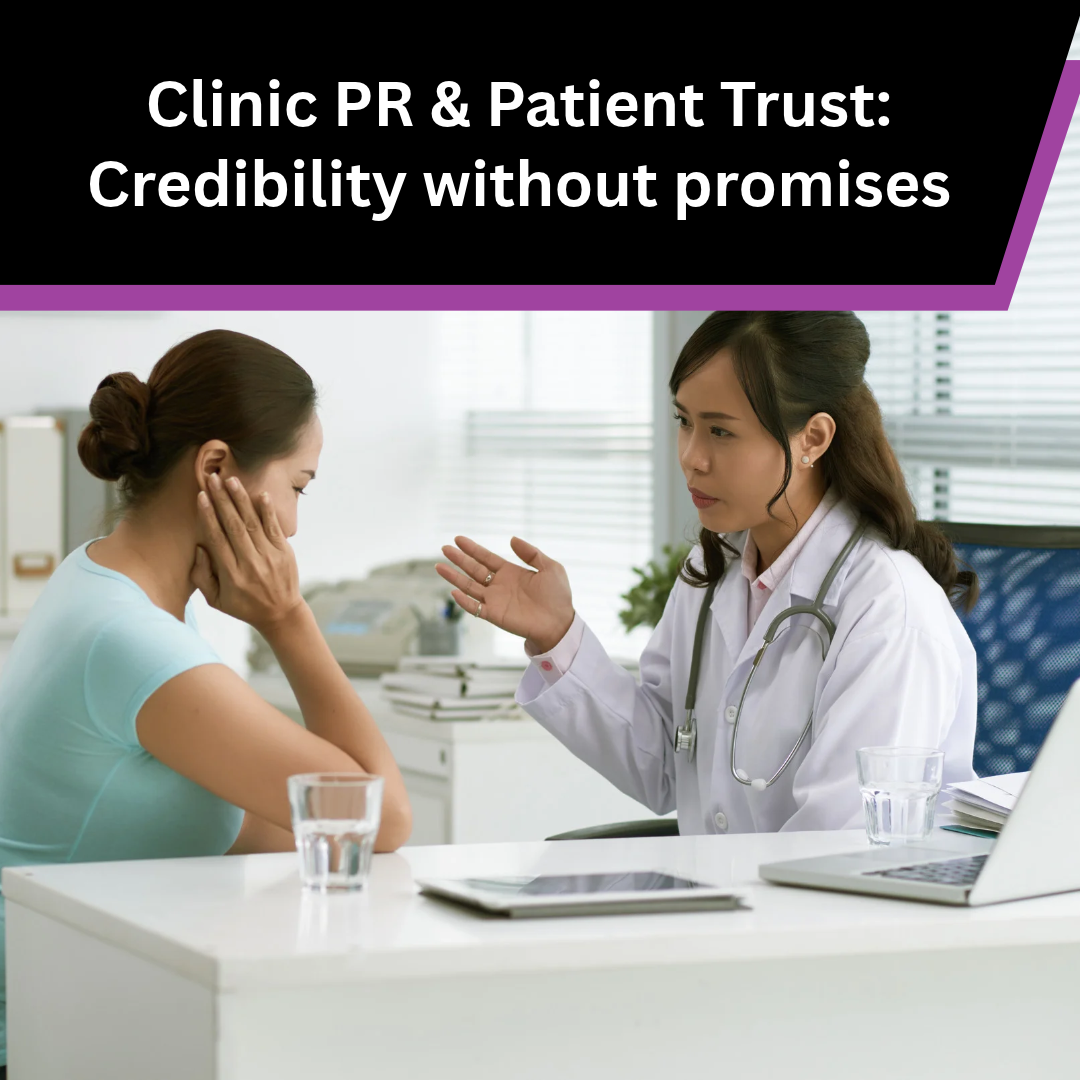
Can medical PR help private clinics attract patients?
-

How doctors and healthcare experts get quoted:
-
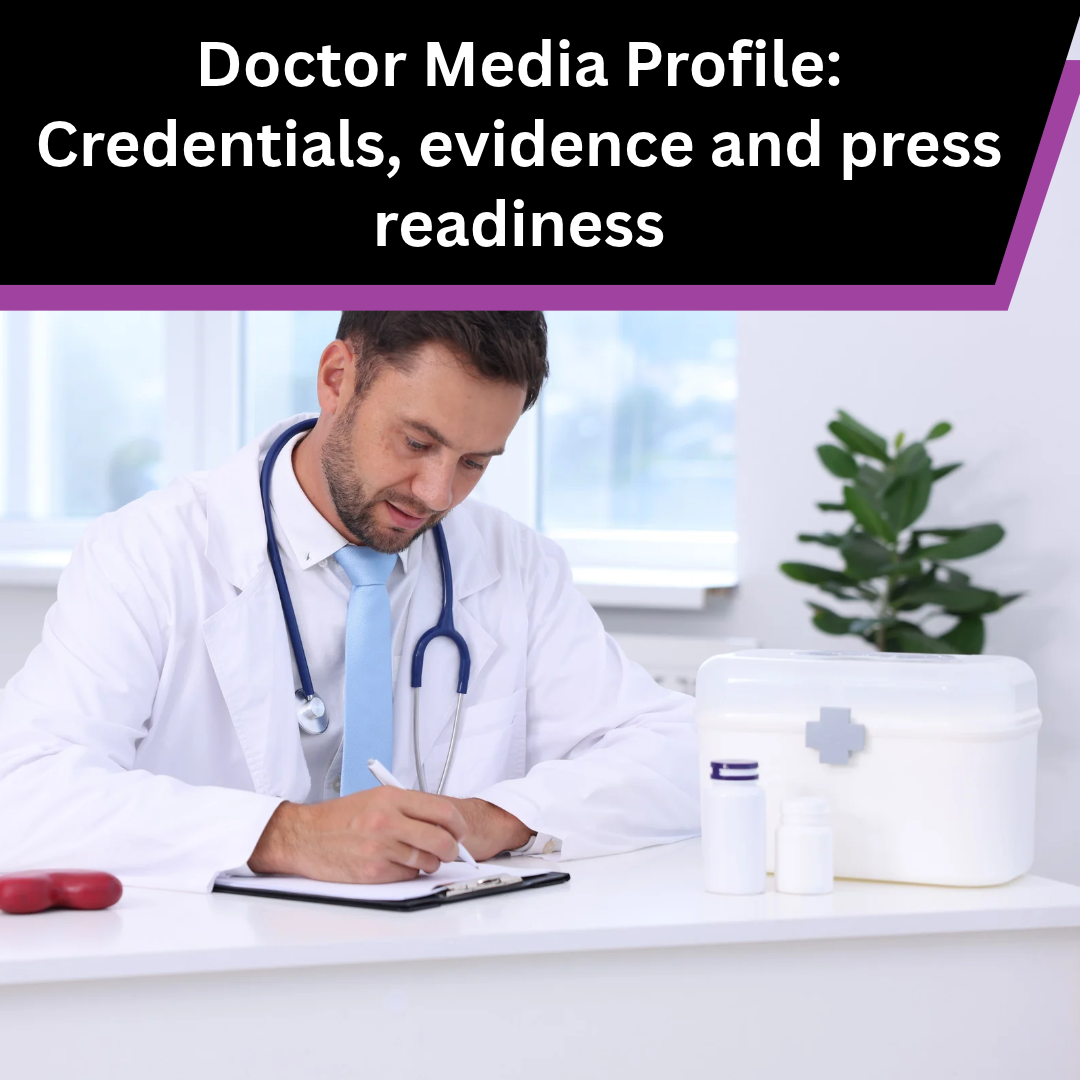
Doctor media profile checklist
Still Have Questions? We’ve Got You
-
Potentially, when the named dental professional's actual credentials and scope fit an editor's question. We identify relevant educational opportunities and avoid personalised diagnosis or treatment advice through the press.
-
Only where the proposed use is appropriately authorised, ethically suitable and accurately contextualised. Images cannot establish typical results, and patient confidentiality and applicable rules must be respected.
-
Suitable legitimate products and businesses can be assessed for wider Standard PR. We distinguish device status, intended use and evidence from consumer product claims, and require appropriate client-side review.
-
We research suitable editorial opportunities, write and pitch media contributions, follow up and report genuine results. The work is tailored to your professional expertise, evidence and selected service; publication is an independent editorial decision.
-
Standard PR is £797 per month in the UK, US$997 in the US and CAD$1,497 in Canada, with a three-month initial commitment and one full billing cycle's notice thereafter. Eligible individual experts seeking only commentary may consider Expert Commentary PR at £397, US$497 or CAD$747 per month, subject to suitability.
-
Verified clinician credentials, specialties and registrations, approved subjects, relevant evidence, actual product or service information, appropriate permissions and clinical review contact.
Want more detail?
You can read our full FAQs for more information on how we work, reporting, approvals, AI, media contacts and what to expect from earned coverage.
Discuss your campaign with Fair PR
Tell us about your real expertise, practice or business, market and goals.
We will assess the genuine editorial opportunities and which existing service fits.
We do not buy placements or guarantee coverage, clinical outcomes or appointments.