

MotivatePT | Kira Mahal
Three months of expert-led PR support
Fitness journalism is full of questions that cannot be answered by a generic advert for personal training. Readers want to know how to adapt a workout, whether a particular training style suits them, how to exercise safely when the weather changes and what to do when motivation is difficult.
MotivatePT's expert-led PR used that demand for practical guidance as its starting point. With Kira Mahal as the campaign's named fitness expert, the opportunity was to make relevant training knowledge useful to journalists covering health, exercise and lifestyle subjects.
We provided three months of PR support. The wider historical press archive associated with MotivatePT contains 13 distinct records dated between June 2022 and January 2023, including Stylist, The Daily Telegraph, Woman & Home, Women's Fitness, the Express, Fit & Well and Metro. This date span is wider than the stated engagement, so the archive is shown transparently rather than attributing every record to a single three-month window.
The client
MotivatePT is a fitness and personal-training business. Its campaign centred on professional exercise knowledge and a spokesperson, Kira Mahal, who could engage with the kinds of questions people bring to trainers: which exercises to try, how to build a routine, when to adjust activity and how to approach a changing fitness goal.
For a journalist, this is a different proposition from a business asking for a profile. A trainer may provide useful advice even when the article is not about gyms, personal-training packages or a particular company. In fact, that is often why the expert is relevant.
The objective
Our objective was to secure relevant editorial opportunities by helping journalists with useful fitness and wellbeing commentary. The focus was on expertise and credibility, not on finding promotional features about MotivatePT itself.
A successful expert-led fitness story has to address the audience's actual concerns. A reader attempting yoga with sore wrists needs something different from a holidaymaker trying to maintain familiar routines. A woman in her sixties may want age-appropriate exercise suggestions rather than a standard high-intensity fitness plan.
The opportunity: fitness knowledge goes beyond the gym
Many fitness businesses think first of press coverage about the business: a new class, a new trainer, a studio opening or a product. Those can be legitimate stories, but there is a much larger body of service journalism concerned with the everyday decisions people make about their health and routines.
The coverage recorded for MotivatePT illustrates that wider opportunity. It ranges across yoga, low-intensity cardio, summer exercise, walking, eating habits, motivation and the relationship between physical activity and mood.
The strategy was to look at these subjects from a reader's perspective and make the commentary appropriate for the particular title. Relevant knowledge matters more than trying to force a brand message into an unrelated article.
Yoga adaptations and exercises people can actually use
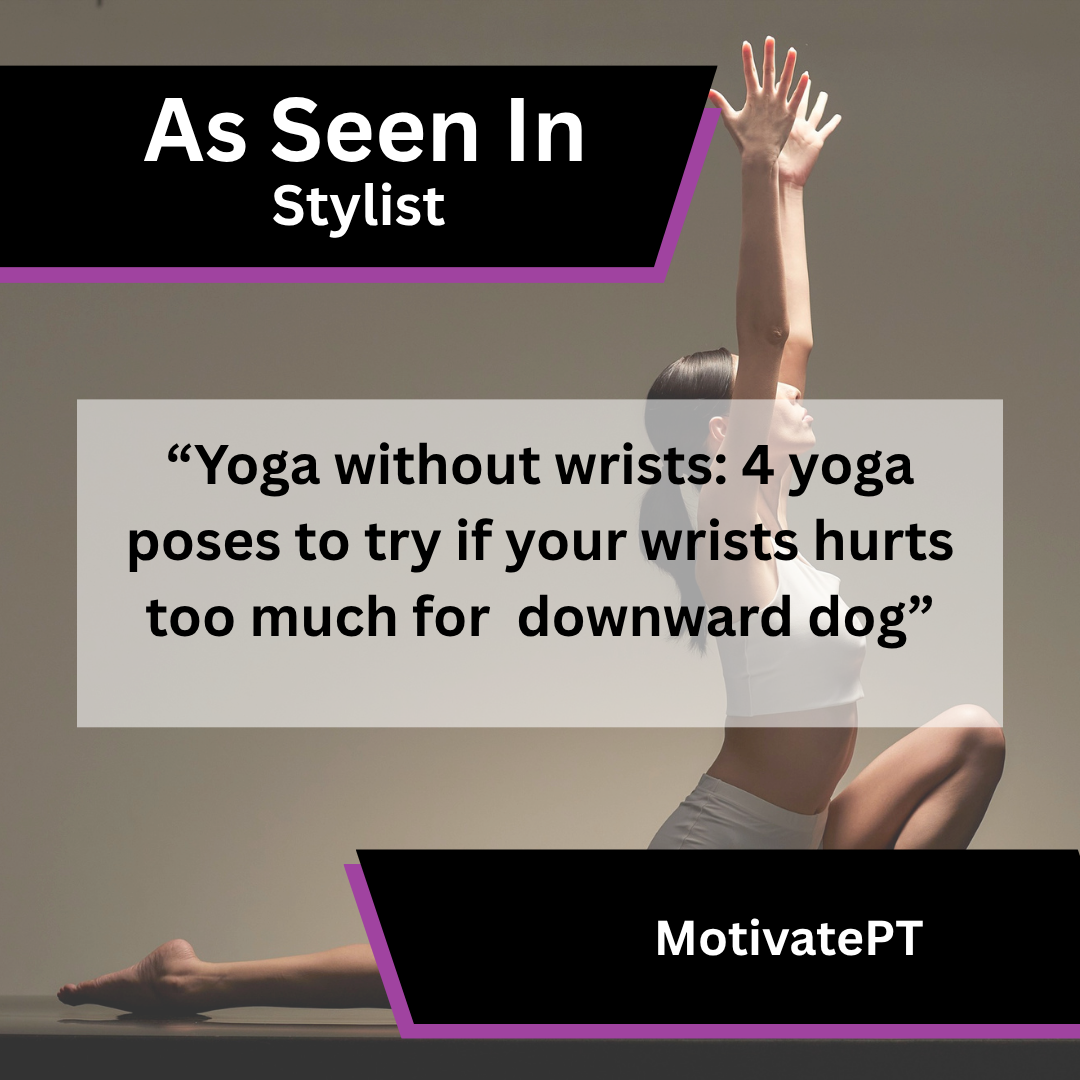
Stylist's June 2022 article, 'Yoga without wrists', addressed a specific problem: how someone might adapt familiar movements if putting weight through their wrists is uncomfortable. It is the kind of practical topic that makes a fitness source useful because the reader is looking for options, not a generic encouragement to exercise more.
The same publication also explored whether an 'ultimate yoga pose' exists and asked practitioners about their preferred moves. Although both articles concern yoga, they involve different reader intentions. One is about a physical difficulty; the other is about choosing an effective or meaningful movement.
Read the Stylist wrist-adaptation feature.
Read the Stylist yoga-pose feature.
This illustrates an important PR principle. A single area of expertise can support several stories when the angles are genuinely different. That is more useful than repeatedly sending editors the same promotional profile.
Training intensity, walking and everyday movement
Woman & Home examined low-intensity steady-state cardio, often called LISS, including what it means and how readers might approach it. That sort of explanatory article benefits from clear discussion of exercise types and who might find them appropriate.
Read the Woman & Home feature.
The archive also includes the publication's later article about keeping feet warm during winter walking. Although this may seem far removed from a personal-training business, it is still connected to a practical activity question. Walking advice and exercise accessibility are part of the wider fitness conversation.
Read the winter walking feature.
These features show how editorial needs can be broader and more specific than the usual 'how to get fit' headline. Clear advice about everyday movement may be more valuable to readers than sweeping claims about a new routine.
Summer heat and maintaining habits on holiday
Seasonal relevance gives journalists a natural reason to revisit familiar topics. The Daily Telegraph explored how people could avoid letting their healthy habits fall apart on holiday. The question is recognisable to readers who have established a routine but are about to travel or spend time away from their normal environment.
Read the Telegraph article.
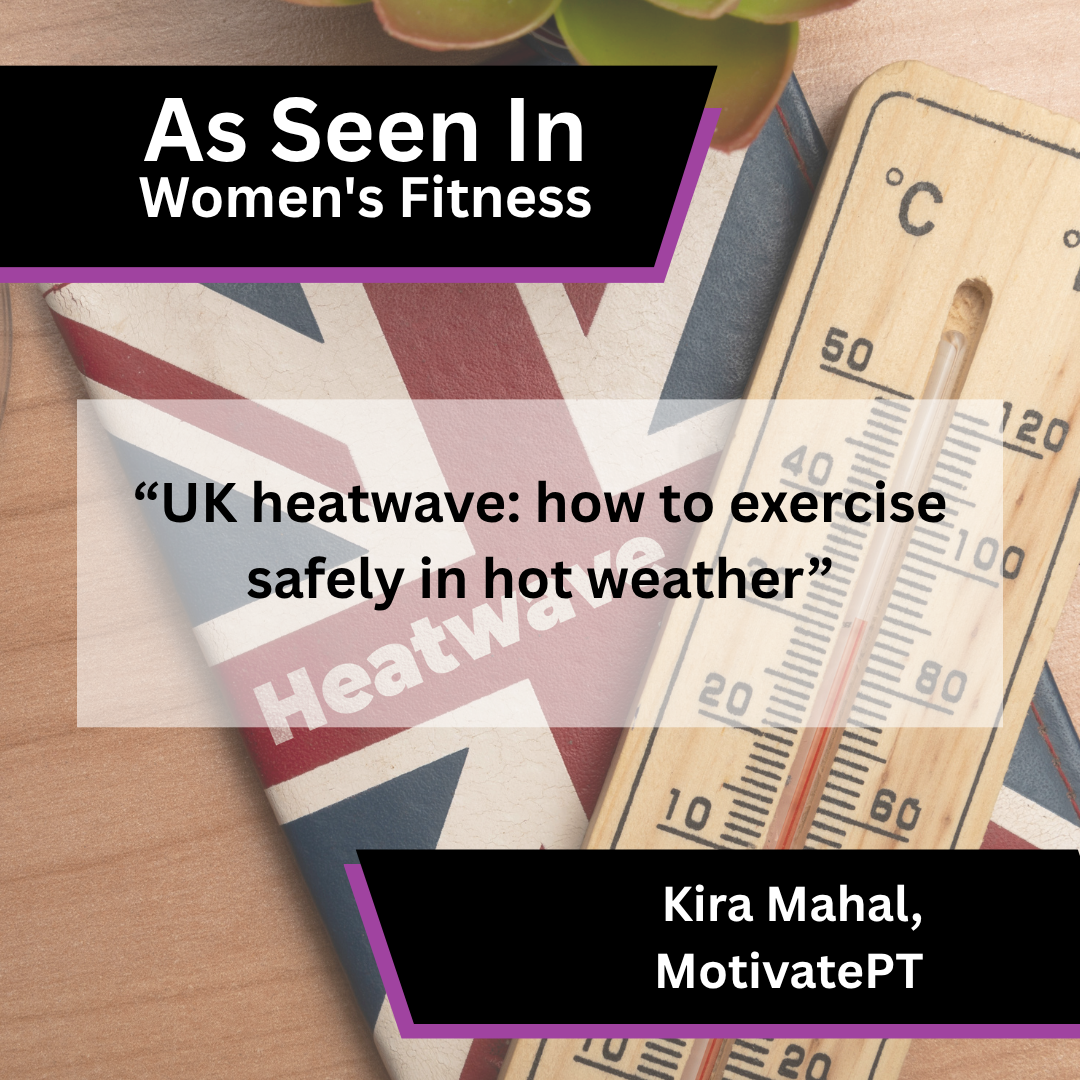
Women's Fitness recorded a feature on exercising safely during a UK heatwave. The original archive identifies a magazine feature but does not provide a working article URL, so its source is included in the press-image pack instead of inventing a web link.
The two topics demonstrate different kinds of timing. Holiday-related advice can be relevant over an entire travel season. Heatwave advice is tied to conditions affecting people at a particular moment. A useful fitness spokesperson must adapt to both.
Different audiences need different fitness explanations
The Express covered exercise suggestions for women in their sixties. The recorded feature approached fitness through the needs of an age group, rather than assuming that readers all have the same starting point or goals.
Read the Express coverage.
Fit & Well discussed high-protein, low-carbohydrate foods. The archive includes the article as part of MotivatePT's broader fitness and wellbeing coverage, but the presence of a nutrition topic should not be taken to mean that every exercise professional is a qualified clinical dietitian.
Read the Fit & Well article.
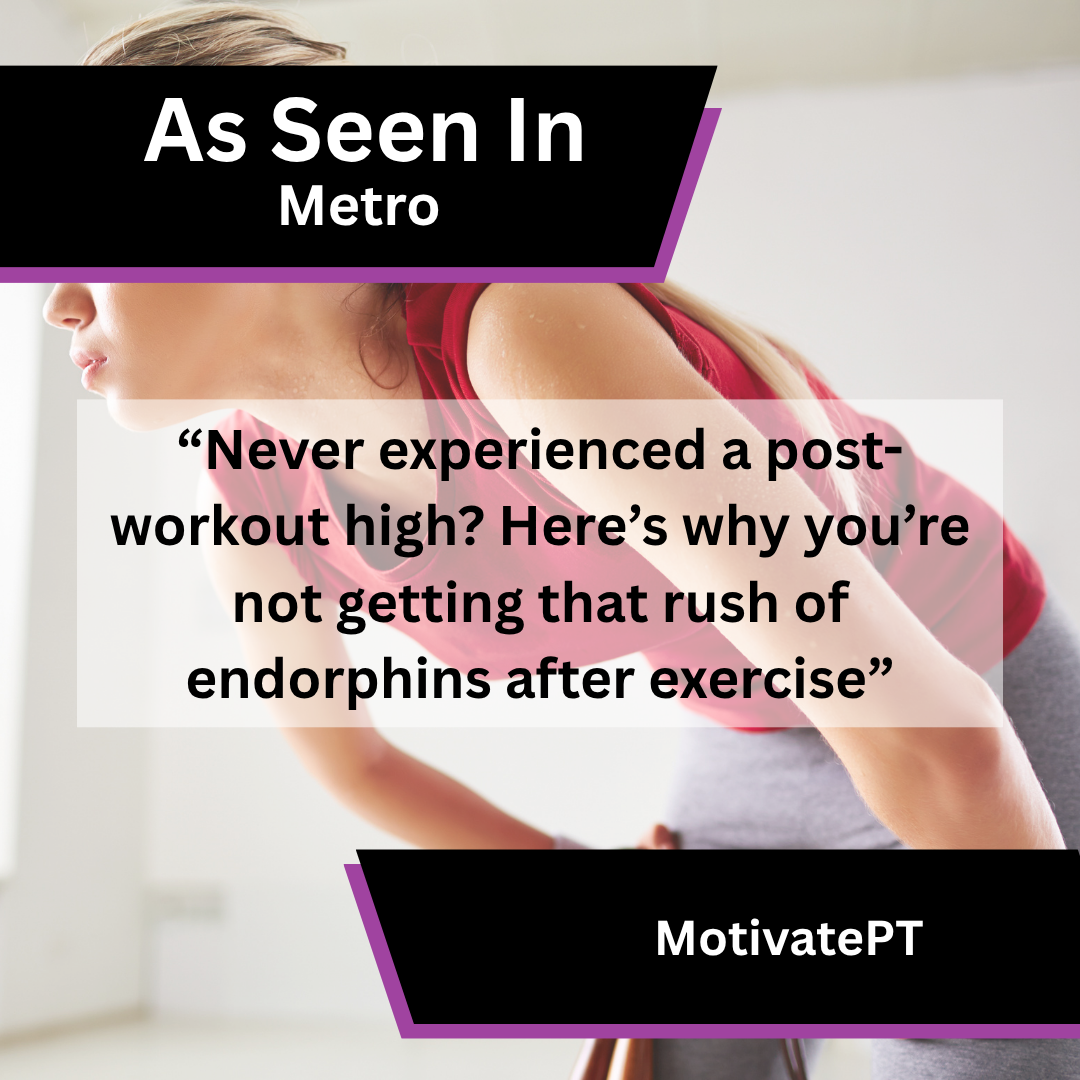
Later historical records include a Stylist discussion of listening to the body and improving performance, a Metro feature asking why some people do not experience a post-workout endorphin rush, and further Express coverage of weight-loss habits. The mix reinforces the value of matching the right expert knowledge to the precise editorial question.
Read the Metro feature.
Print coverage and the importance of keeping evidence
Not every relevant magazine appearance remains available at a public URL. The MotivatePT archive includes Women's Fitness, Health & Wellbeing and Bella Magazine records for which the current publication link is blank. These remain part of the recorded press archive but should be displayed accurately as print or archived examples, with the original screenshot where available.
The distinction matters for a case study. Readers should be able to see what evidence exists without being sent to fabricated links or told that an archived magazine feature is a presently accessible web article.
The results
Across the wider historical archive, 13 distinct MotivatePT records are associated with nine publication labels, including major national and specialist fitness outlets. The themes range from adapted movement and exercise intensity to seasonal routines and wellbeing.
This is evidence of recorded editorial visibility, not a claim that every entry appeared within the three contracted months, that every item represented an entirely separate campaign idea or that articles produced a verified number of new customers.
Published coverage results
| Date | Publication | Topic or article | Coverage |
|---|---|---|---|
| Stylist | Yoga without wrists: 4 yoga poses to try if your wrists hurts too much for downward dog | Read coverage | |
| Stylist | Does the ultimate yoga pose exist? Yogis share their number one moves on the mat | Read coverage | |
| Woman & Home | What is LISS cardio and is it good for weight loss? Benefits, workouts and more | Read coverage | |
| Women's Fitness | UK heatwave: how to exercise safely in hot weather | Original print/archive source to verify; URL not recorded | |
| The Daily Telegraph | Don’t let all your healthy habits fall apart on holiday | Read coverage | |
| Health & Wellbeing | 404 | Original print/archive source to verify; URL not recorded | |
| Express | Trainer shares best exercises for women in their 60s to lose weight before end of summer | Read coverage | |
| Woman & Home | How to keep your feet warm while walking this winter: 7 tips to keep the cold at bay | Read coverage | |
| Fit & Well | 15 high protein low carb foods | Read coverage | |
| Bella Magazine | 15 Ways to Slimline your Life | Original print/archive source to verify; URL not recorded | |
| Stylist | 4 wellness experts on how to listen to your body and boost performance | Read coverage | |
| Metro | Never experienced a post-workout high? Here’s why you’re not getting that rush of endorphins after exercise | Read coverage | |
| Express | Essential' tip for weight loss & it's not diet or exercise - 'Nothing will ever compete | Read coverage |
Images from the coverage

The outcome
This case demonstrates a repeatable editorial principle rather than a promised placement count. A fitness business can be interesting to journalists because its people know how to address everyday problems. The business itself need not be the headline.
The most useful opportunities arose from identifying a specific question, an appropriate reader group and a knowledgeable source. That could mean a practical yoga adaptation in Stylist, a seasonal wellbeing discussion in the Telegraph or age-specific activity advice in the Express.
For other fitness and personal-training businesses, the lesson is to start with credible expertise and actual reader needs. It is not to assume that every trainer can safely comment on every medical, nutritional or therapeutic subject.
Results at a glance
| Result | Details |
|---|---|
| Campaign | MotivatePT: expert-led PR |
| Duration | 3 months |
| Expert | Kira Mahal |
| PR approach | Expert commentary answering relevant reader questions |
| Historical press records | 13 distinct; archive dated 23rd June 2022 to 21st January 2023 |
| Publication names | 9 |
| Selected press images | 8 chosen, 8 files ready, 0 files to source |
| Selected publications | Stylist, Woman & Home, Women's Fitness, The Daily Telegraph, Health & Wellbeing, Express, Fit & Well, Bella Magazine |
| Expertise focus | Fitness, exercise and wellbeing |
Frequently asked questions
Can a personal trainer become a media expert without having a famous fitness brand?
Yes. Many health and lifestyle features need understandable guidance on movement, training habits and everyday exercise questions. The expertise must be relevant to the specific subject.
What sorts of fitness stories suit expert-led PR?
The MotivatePT archive includes yoga adaptations, low-intensity cardio, seasonal routines, exercise for older audiences and motivation. Each angle works only when it addresses a clear reader question.
Are print-magazine appearances useful if the article is no longer online?
Yes, provided the original publication can be documented accurately. A verified press clipping can be appropriate proof. It should not be presented as a working online article when no link exists.
Does fitness PR require medical or clinical claims?
No. Practical training and movement advice can be valuable on its own. Where an article requires medical or nutrition expertise, the source's credentials must support the claim.
Explore related services and examples
See our Fitness PR service
Find out about expert-led PR
Explore our work with wellness businesses
Could your fitness knowledge be useful to journalists?
A trainer's best media opportunity may be a question they answer for clients every day. Fair PR helps identify which parts of that expertise have a genuine editorial application, and which publications might find the subject relevant.
