

Authentic Achievements | 3-month engagement
Seven recorded workplace and HR media articles
Authentic Achievements' historical press record demonstrates how the practical experience of a leadership and business-transformation specialist can generate a series of distinct editorial conversations. The business, led by Kim-Adele Randall, was represented in seven recorded pieces spanning workplace friendship, recruitment, flexible pay, professional development, business outlook, governance and employee productivity. They appeared across five editorial brands, including WorkLife, People Management, HR Magazine, Croner-i and Raconteur.
The account owner confirms a three-month PR engagement. The source archive dates run from 10 November 2022 to 27 February 2023, a span longer than three calendar months. The case therefore distinguishes the confirmed contracted engagement from the wider window in which archived articles were published. It does not present every dated record as an in-contract result or assert that the campaign continued for that whole interval.
The most useful result is not merely a count. It is the way one expert's experience could answer different journalistic questions about the world of work, with examples relevant to business owners, managers, HR practitioners and employees.
The client and its natural areas of authority
Authentic Achievements is associated with Kim-Adele Randall, whom contemporary articles identified as its chief executive and a business transformation or change-management specialist. The themes in those articles point towards a practical field of expertise: leadership, organisational effectiveness, talent, employment relationships and change. Those are substantive business issues, not simply personal motivational opinions.
For a consultancy, one challenge with PR is that service descriptions can sound abstract. 'Leadership support' or 'business transformation' may be meaningful to the client organisation but do not automatically answer a news editor's question. The articles in this archive show a more useful route: connecting the consultant's perspective to challenges readers already recognise, with enough specific insight to justify inclusion in independent reporting.
1. Making workplace relationships a business story
A November WorkLife feature examined why employees were struggling to build friendships at work. The article quoted Randall on the relationship between workplace connection and professional progression, including discussion of research about work friendships. The editorial value was not that Authentic Achievements existed. It was that a management specialist could explain why social connection at work mattered to both employees and employers.
A workplace-relationships story reaches readers who might never seek out a generic article about organisational change. It also requires care: research on social bonds can inform a discussion without proving that a particular workplace intervention will increase promotion rates or profits. In the case-study account we describe what was published rather than claiming that the contribution caused measurable business benefits.
2. Recruitment and talent management problems journalists already cover
A second WorkLife article examined why new hires sometimes fail to work out. It included Randall's views about the need to understand the quality of recruitment decisions and properly assess whether a hire fits. That gives a consultant a concrete way into recruitment reporting: explaining failures in the decision process rather than promoting the consultancy's own recruitment offering.
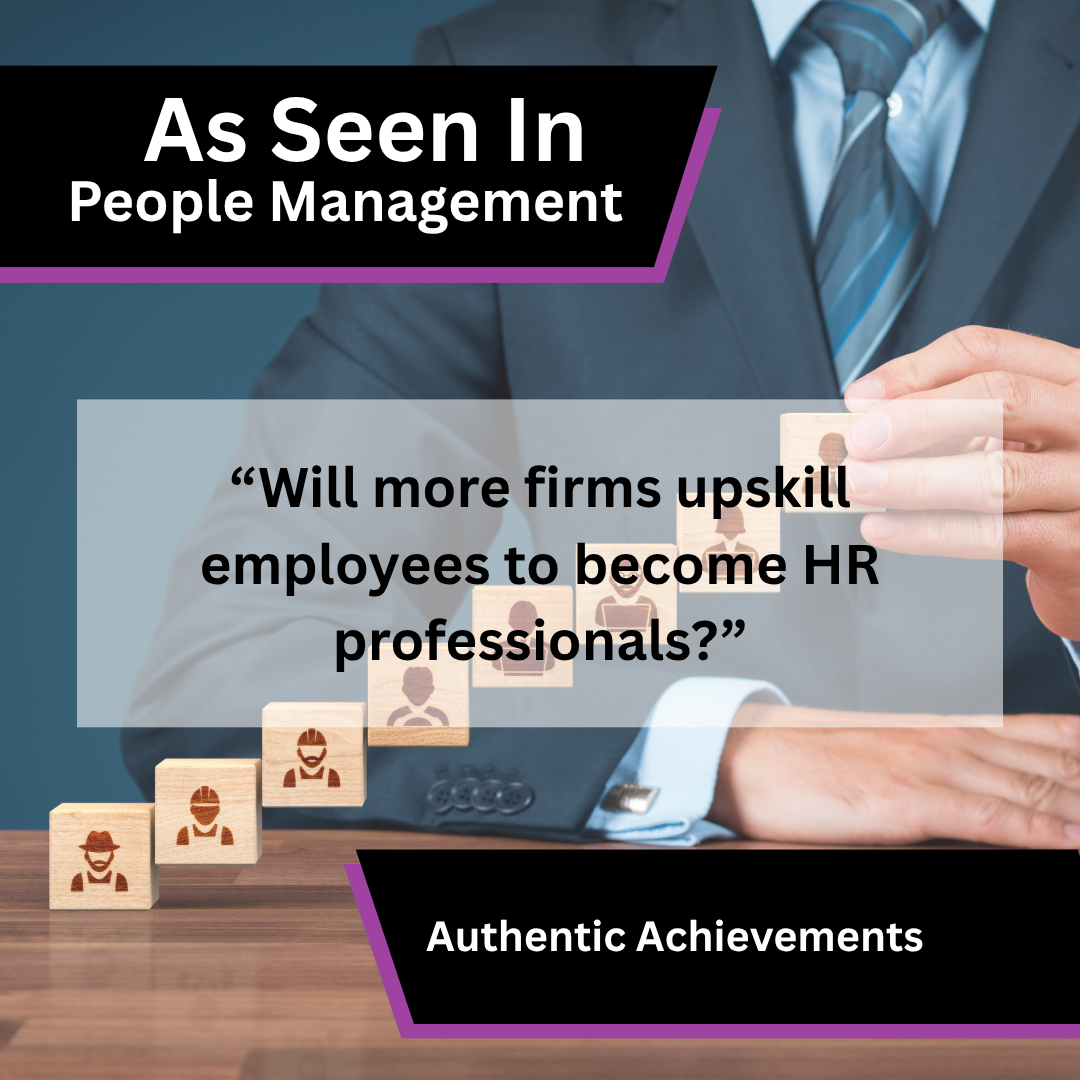
The later People Management feature asked whether businesses might increasingly upskill employees into HR roles. The underlying subject is different. Instead of the risk of a bad initial appointment, it concerns the supply of professional skills inside organisations and the scope for people to develop into new responsibilities.
Together, the two articles illustrate why 'HR PR' need not mean one repeated pitch about finding talent. There are credible editorial discussions around hiring standards, onboarding, training, internal progression and workforce capability. Expert commentary is useful when it moves beyond a slogan and addresses a decision a manager may actually face.
3. Flexible pay and the operational reality of employee wellbeing
A December WorkLife feature explored changing approaches to how employees are paid, including on-demand and more flexible arrangements. Randall discussed the particular needs of freelancers and the possible effect that payment practices can have on engagement. This was a different audience question from recruitment or workplace friendship. Here the hook was employment practice and the financial experience of staff, not an abstract leadership philosophy.
A responsible case study should not convert that editorial discussion into financial advice or declare flexible payment suitable for every worker. The feature brought together several voices and competing considerations. Authentic Achievements was one of the expert contributors, not the sole author of the conclusion.
For workplace and HR specialists, such stories show why practical operational examples can be more useful to a journalist than a broad promise to improve company culture. Pay processes are tangible; readers can understand the questions and assess the competing trade-offs.
4. A business outlook and a changing governance vocabulary
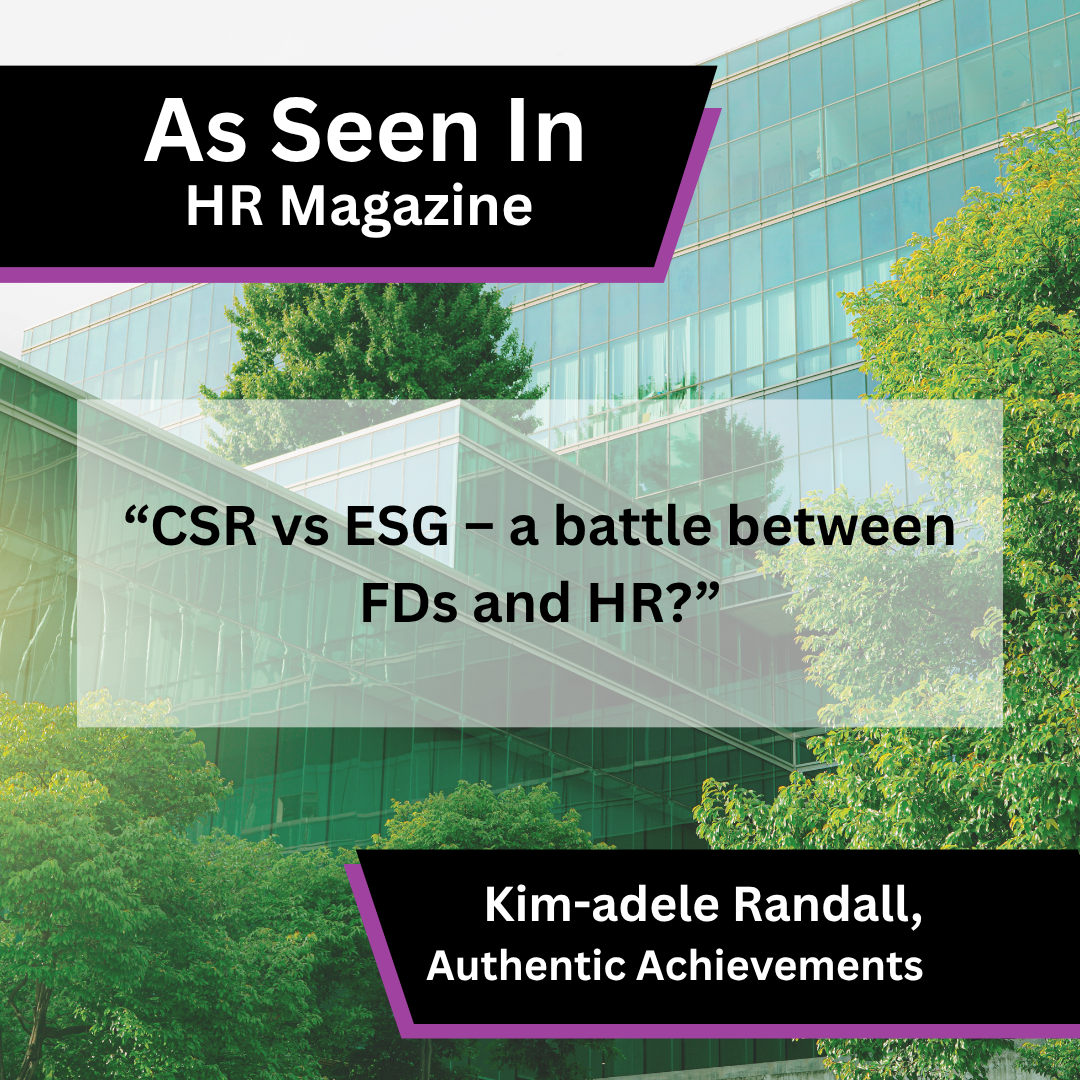
The archive also records a year-ahead small-business feature from Croner-i and an HR Magazine article on the shifting relationship between corporate social responsibility and environmental, social and governance reporting. These pieces extend the story beyond individual staff relationships.
The Croner-i subject asked businesses to consider what the coming year might mean for owners and managers. That is a natural environment for a consultant who regularly works with leaders and organisations, provided any economic statements are accurate and dated. The HR Magazine story asked where responsibility for corporate purpose and ESG belongs within a company, particularly when HR and finance departments may approach those priorities differently.
The combination demonstrates a broader principle: a consultancy can be relevant to both immediate workplace decisions and strategic questions about how organisations are governed. Those topics overlap through leadership but require different evidence, terminology and editorial framing. The public claim here is limited to the archived articles and their subjects; we do not infer a separate successful ESG product or financial performance outcome.
5. Senior-leadership perspective on productivity
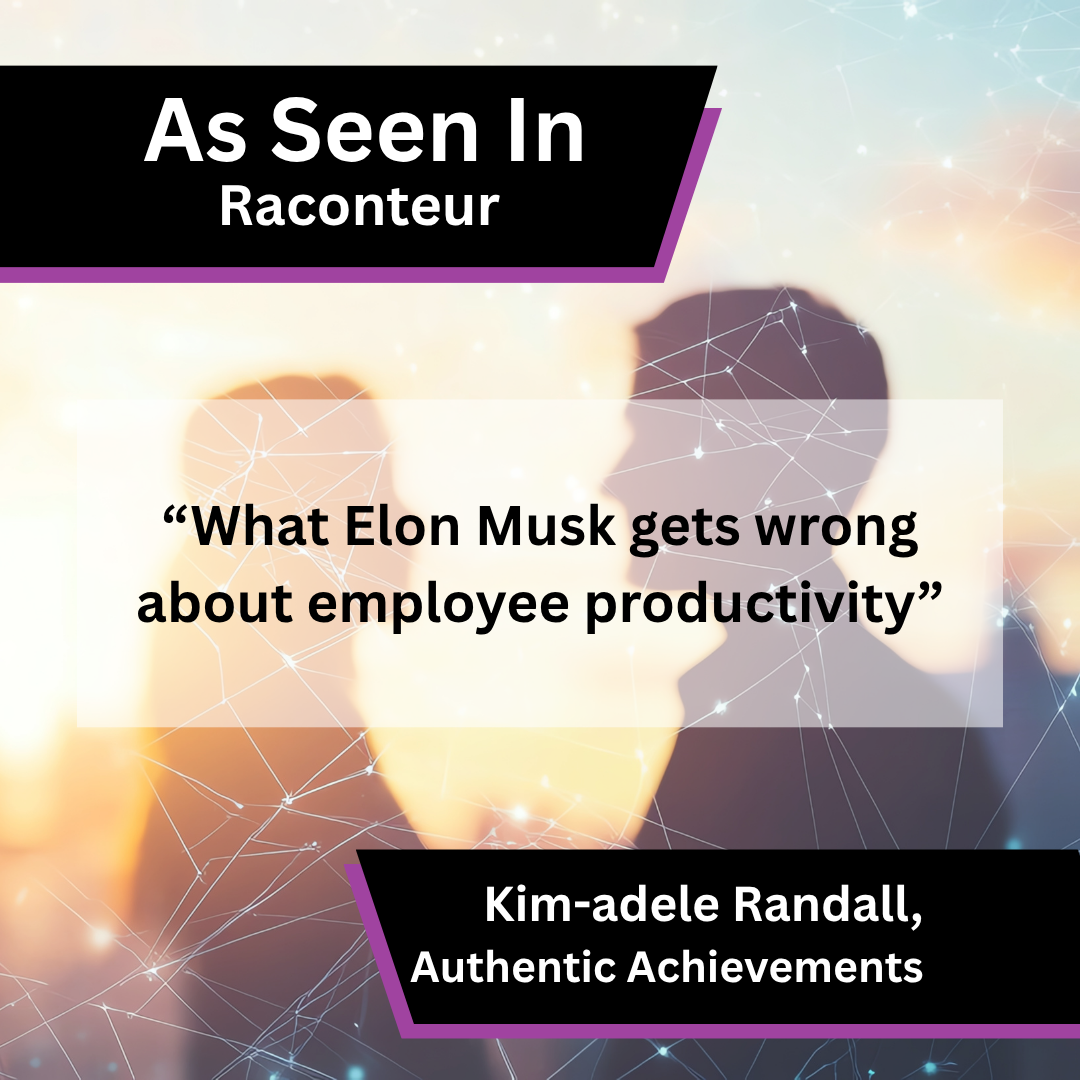
The last dated record, a February 2023 Raconteur feature, examined employee productivity in light of Elon Musk's approach to work and measurement. The publicly available article identifies Randall as Authentic Achievements' chief executive and quotes her questioning whether purely quantitative measures capture meaningful performance.
That is a particularly clear demonstration of editorial relevance. The company was not the focus of the report. A leadership specialist contributed to a wider debate about performance management, worker experience and what employers should measure. The article gave her expertise a real context, with competing views and practical examples of why a narrow metric can mislead.
Raconteur's business readership is quite different from a general lifestyle audience. Reaching this kind of publication can be especially relevant for a specialist hoping to demonstrate that they can contribute to complex workplace discussion. It does not by itself prove new consultancy contracts or increased turnover.
The documented results and their limits
The archive lists seven different article URLs across five editorial brands: three WorkLife articles plus People Management, Croner-i, HR Magazine and Raconteur. The three-month PR engagement is separately confirmed. The published date span extends from November 2022 to February 2023, so the document does not claim seven articles were all obtained during a dated three-month contractual window.
Individual articles are valuable here because they represent distinct news and advice subjects rather than repeated syndication of one press release. We have not verified client sales, leads, site traffic, search gains or backlink totals attributable to this work, and no such claims appear in the case study. Some original publishers may use restricted access or may update archive pages; historic source images are retained for publisher/source QA.
What this record demonstrates is a coherent editorial platform. Kim-Adele Randall's professional experience gave her a defensible reason to contribute to different discussions in the same wider world of work. Each contribution could stand independently of the client's own promotional language.
Published media coverage
| Publication | Archived date | Article |
|---|---|---|
| WorkLife (Digiday) | 2022-11-10 | Why people are struggling to make new friends at work |
| WorkLife (Digiday) | 2022-11-29 | HR teams admit fault for why most new hires aren't working out |
| WorkLife (Digiday) | 2022-12-02 | How companies are paying employees more flexibly |
| People Management | 2022-12-08 | Will more firms upskill employees to become HR professionals? |
| Croner-i | 2022-12-21 | The year ahead: small business in 2023 |
| HR Magazine | 2023-01-09 | CSR vs ESG: a battle between FDs and HR? |
| Raconteur | 2023-02-27 | What Elon Musk gets wrong about employee productivity |
Images from the coverage
Campaign details
| Result | Details |
|---|---|
| Client | Authentic Achievements |
| Expert | Kim-Adele Randall, chief executive in contemporary coverage |
| Confirmed PR engagement | Three months; exact contracted dates not available |
| Historical published records | Seven article URLs across five media brands |
| Archive publication dates | 10 November 2022 to 27 February 2023 (longer than the confirmed engagement) |
| Core media topics | Workplace relationships, hiring, pay, upskilling, business outlook, governance and productivity |
| Claims not made | No verified enquiry, turnover, hiring or rankings impact |
Frequently asked questions
How long was Authentic Achievements' PR engagement?
Three months, as confirmed by the account owner. The archived publication records span a longer November-to-February window, and the case study deliberately keeps those dates separate.
Was Authentic Achievements featured in seven different publications?
No. There are seven separate article URLs across five editorial brands. Three of the articles were published by WorkLife, which the source board labels under Digiday.
What topics generated the coverage?
Workplace relationships, recruitment quality, flexible pay, professional upskilling, the small-business outlook, CSR versus ESG and performance measurement.
Does the record establish business growth from the coverage?
No. It supports a claim about published editorial appearances and their subject matter, not new contracts, turnover, search rankings or a measurable change in recruitment outcomes.
Speak to Fair PR about a specialist commentary programme
For leadership consultancies and HR specialists, the starting point is the expertise that can help journalists make sense of a real workplace decision. Fair PR works with specialists to develop editorial opportunities grounded in their experience, rather than promising that every business statement will become news. Explore HR & Recruitment PR, Professional Services PR and Expert PR.
