
Home Security PR
Build credibility through the expertise behind your business.
Home security customers are buying confidence as much as equipment. They want to compare options, understand maintenance and know what support is available. A credible specialist can help journalists explain these decisions without encouraging fear or revealing methods of defeating security systems.
Fair Public Relations is a journalist-led boutique PR agency founded by former UK national journalist Jordan Baker. We work with suitable residential security installers, locksmiths, alarm companies and legitimate home-security technology businesses across the UK, US and Canada. We develop earned media opportunities that demonstrate what you know and why it matters, rather than buying placements or promising a set number of articles.
PR for UK and US home security businesses
UK home security businesses and US residential security companies can help journalists explain the questions households should ask about alarms, cameras and professional installation.
Editorial opportunities can differ by property, market and local requirements, from home security maintenance to privacy-aware use of equipment.
We avoid providing operational information that would help someone bypass a security system.
Read more about our UK PR agency and US PR agency approaches.
Who is this service for?
Residential alarm and access-control installers
Properly qualified locksmiths
Security service providers
Legitimate consumer security brands may be suitable.
This page focuses on physical residential protection and installation.
Businesses specialising in software or enterprise cybersecurity may fit a technology-sector campaign instead
How your expertise can become a media story
A media angle starts with the question readers need answered. It might be prompted by seasonal demand, a new development, a practical household decision or a distinctive business story.
Here are examples of editorial subjects we could explore with suitable evidence, not claims about an existing campaign or guaranteed placements.
Questions to ask before comparing alarm monitoring arrangements, installation and maintenance costs.
How consumers can identify a reputable locksmith and understand what information a quote should include.
Privacy considerations for connected doorbells, including transparent storage and access policies.
How to evaluate security needs and seek appropriate professional assessment.
A genuine business development concerning technician training, customer accessibility or documented improvements in service.
How we develop your media profile
Our Standard PR Founder & Authority Positioning Session helps identify which subjects you can credibly speak about, how to explain your experience and what stories distinguish your business.
We research the editorial landscape, develop angles, write media-ready contributions, pitch relevant journalists and follow up.
You provide genuine insight, accurate information and approvals.
We handle the writing and outreach.
Evidence and responsible commentary
We do not provide:
lock-bypass techniques
alarm evasion
intrusive surveillance instructions
details of exploitable vulnerabilities and customer locations
Avoid crime-prevention guarantees and fear-based claims. Privacy, testing and data-handling statements should be documented accurately.
A good media profile includes a current biography, relevant credentials, the subjects you are willing and qualified to cover, clear availability and usable imagery.
When supplying customer trends, report the sample size, period, geography and limitations. When sharing a project, obtain consent and verify the actual role and outcome. We will not invent statistics, credentials or claims simply to make a pitch more attractive.
What is worth communicating in a trust-sensitive industry?
A home security provider is asking customers to trust it with decisions about their property and privacy.
A consumer may want to understand the difference between installation, monitoring and aftercare, or whether a product requires a subscription. They may be trying to choose a reputable locksmith or installer rather than buy a device.
An independent article that explains these questions can demonstrate the specialist's expertise without relying on fear or revealing security-sensitive information.
A residential installer and a connected-device manufacturer should not run identical PR campaigns. The installer can discuss customer questions, the importance of a professional property assessment and the scope of its service.
The manufacturer may have a credible story about usability, a genuine product change or how consumers can understand privacy and support features. Any product information must be accurate and a reviewer should be free to reach their own conclusions.
A locksmith may have a strong local reputation and experience of customer service questions that can be useful nationally. We would agree safe commentary topics and professional boundaries before approaching a journalist.
Material about defeating security measures, vulnerabilities that can be exploited, private locations or covert surveillance does not belong in a publicity campaign.
The useful story is informed purchasing and responsible prevention, not a demonstration of how to get around protection.
A journalist's question about choosing a security service
Suppose an editor is preparing a reader guide to comparing residential security companies.
A suitable installer might explain:
what prospective customers should expect to be included in a written quote
the distinction between one-off installation and any continuing service
how support is documented
what questions readers can ask about privacy
We would identify the circumstances in which the spokesperson is qualified to comment and avoid presenting a general article as a security assessment for a particular property.
For a connected doorbell or alarm product, the editorial discussion might concern the difference between the initial hardware price and ongoing storage or monitoring charges, how the company's published privacy information describes access to recorded material, and the support available for the device.
Those are useful facts for a consumer to compare. We would request the actual specifications and policies, distinguish a manufacturer's claims from independent review findings and refrain from promising that a system prevents crime.
No customer footage, property layout or installation specifics should be supplied without appropriate permission, and sensitive material may be unsuitable even with permission.
A second example is a local business story about an installer introducing a training programme or improving access to its service for customers with particular needs.
There must be a real development and a documented reason it matters to the community; the fact a company has a new brochure is not a news story.
Where home security expertise has a place in the media
Consumer homes and property editors may feature questions about choosing services, maintaining a home responsibly or understanding the costs associated with technology.
Consumer technology journalists may assess legitimate connected products and their user-facing features.
Trade journalists may look at professional training, changes in the market, the legitimate use of installed systems and business developments. Local outlets may cover a meaningful community or company story. We select any publication according to the actual angle and spokesperson, not a generic list of security titles.
For example, a manufacturer representative might be able to explain a product's specifications and published support policy, but would be the wrong source for an independent assessment of its own product's performance.
A qualified installer may have first-hand experience of service requirements, yet cannot automatically comment on data protection law or wider crime trends. Any statistical claim needs a reliable, appropriately dated source, and the territory and context need to be made clear.
PR should not turn an isolated incident into a claim that everyone faces an increasing risk. We focus on information that remains useful when the reader is not being frightened into making a decision.
The Black Hammer example later on this page relates to professional commentary in the broader home-improvement sector. It does not establish security expertise, and it is not a security campaign.
Any specific security opportunity would need to be earned through a suitably qualified source in this field.
Use independent recognition throughout the decision process
The time between initially researching a device and arranging its installation can involve several separate decisions.
Someone may need to identify what they want from a service, compare providers, understand the total cost and establish who will be responsible for ongoing support. Relevant independent coverage can complement a clear website and transparent product or service information at those points.
An installer can reference an accurate expert quotation in a commercial proposal or on its website; a product business can direct readers to a genuine independent review where the review properly identifies what was supplied or tested.
We would distinguish visibility from claims of security performance. A published quotation is not a test report or a certification.
A customer still needs to assess the actual provider, product terms and appropriate professional advice.
We would track relevant articles and editorial links, look at whether coverage is consistently associated with subjects the business wants to be known for, and help the client understand what can be reused accurately. The presence of independent references may support discoverability through search and AI-assisted research, but cannot guarantee a ranking, recommendation or sale.
For local businesses especially, enquiries depend on service area, availability, reputation and a reliable customer experience. The campaign's role is to make genuine expertise more visible, not to replace those fundamentals.
Relevant home-services PR evidence
-
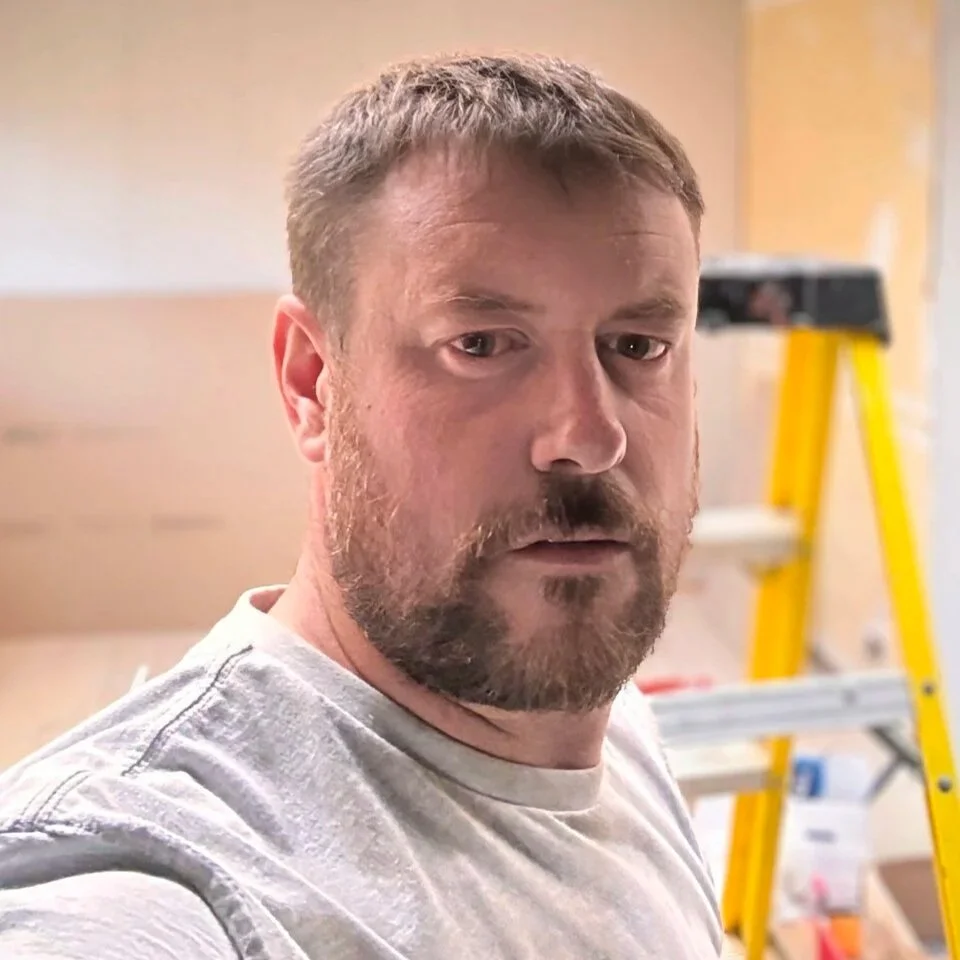
20 published articles | 9-month ongoing campaign
Black Hammer
Black Hammer's recorded construction coverage is adjacent evidence showing how practical home-improvement knowledge can serve editorial readers. It is not a home-security campaign and does not demonstrate security effectiveness or reduced crime.
How much does Home Security PR cost?
Standard PR supports wider business PR, including relevant expert commentary, founder stories, services or products and genuine announcements where appropriate. The monthly fee is £797 in the UK, US$997 in the US and CAD$1,497 in Canada. The initial commitment is three months, followed by one full billing cycle's notice.
Eligible individual experts who only need focused commentary outreach may consider the separate Expert Commentary PR service, currently £397 in the UK, US$497 in the US or CAD$747 in Canada per month. It is not a cheaper substitute for a wider company, service or product campaign. UK clients are serviced by our London team and US clients by our New York team; we also support suitable Canadian clients.
Useful guides for home-service businesses
-

How much does PR cost for home service businesses?
-

How can home service businesses become newsworthy without a launch?
-
Can PR help home service businesses win local customers?
Still Have Questions? We’ve Got You
-
We identify credible media angles, research relevant journalists, draft and pitch expert contributions or wider stories and follow up. The work depends on the service selected and your genuine expertise.
-
Potentially, if it is legitimate, suitable and supported by verifiable specifications, privacy information and appropriate samples. Independent reviewers retain editorial control.
-
Independent coverage may support customer confidence in your expertise. It does not guarantee installations; accurate service areas, local reviews, clear quotations and delivery remain important.
-
No. Editors decide what to publish. We research, pitch and follow up, and report genuine editorial outcomes. We cannot guarantee coverage, backlinks, rankings or new business.
-
Standard PR is £797 per month in the UK, US$997 in the US and CAD$1,497 in Canada, with a three-month initial commitment and one full billing cycle's notice thereafter. Eligible individual experts seeking only commentary may consider Expert Commentary PR at £397, US$497 or CAD$747 per month, subject to suitability.
-
Installer credentials, authorised scope of work, product specifications, privacy information and usable imagery that doesn't reveal customer identities or sensitive installation details.
Want more detail?
You can read our full FAQs for more information on how we work, reporting, approvals, AI, media contacts and what to expect from earned coverage.
Discuss your PR campaign
Tell us about your business, expertise, location and objectives.
We will assess which subjects have realistic editorial potential and whether an existing Fair PR service is a good fit.
We cannot promise a particular publication or volume of coverage.