
Women of a Certain Stage | two-month PR engagement
Eight historic media records spanning menopause, HR and founder commentary
Women of a Certain Stage's historical media archive brings together eight editorial records spanning workplace expertise, entrepreneurship and midlife wellbeing. The publications include The HR World, TechRound, best magazine, Women's Health UK, Entrepreneur UK, Tom's Guide, Liz Earle Wellbeing and Fit&Well. The material shows how a specialist organisation can find relevant media conversations beyond a single topic, without relying on a product launch to justify coverage.
The owner confirms two months of PR support. The recorded publications run from 20 March to 1 June 2025, a little longer than two calendar months. Exact contract dates are not provided. This case therefore describes the eight historical source records associated with the client's two-month engagement, not eight articles proven to have appeared inside precisely two contractual months.
The editorial subjects are varied. Some concern workplaces and business leaders, where Lauren Chiren's professional experience is most obviously relevant. Others address readers' questions about physical activity, sleep and changing needs in midlife. Each story's original quotation and speaker attribution must be checked before any claim about an individual health recommendation.
The organisation and the experience behind it
Women of a Certain Stage was founded by Lauren Chiren, whose current organisation profile describes work on menopause awareness, employer training, workplace strategy and professional education. It positions menopause not only as a private experience but also as something that can influence an employee's working life. Chiren's background includes organisational change and workplace conversations about menopause and midlife.
This combination creates an unusual editorial bridge. People working in HR need to understand training and appropriate organisational support. Business journalists may want to hear how founders and senior leaders develop their services. Lifestyle reporters may have questions about exercise, rest and wellbeing during life transitions. A spokesperson can contribute where their genuine remit fits the story without being presented as a medical doctor or claiming every symptom has a single solution.
The source pack records media results rather than the exact original pitches, goals or consultation outcomes. We can explain why these topics are relevant to the client, but we cannot claim an undocumented press-release programme, a particular journalist relationship or guaranteed outcomes.
1. Workplace expertise and the professional development conversation
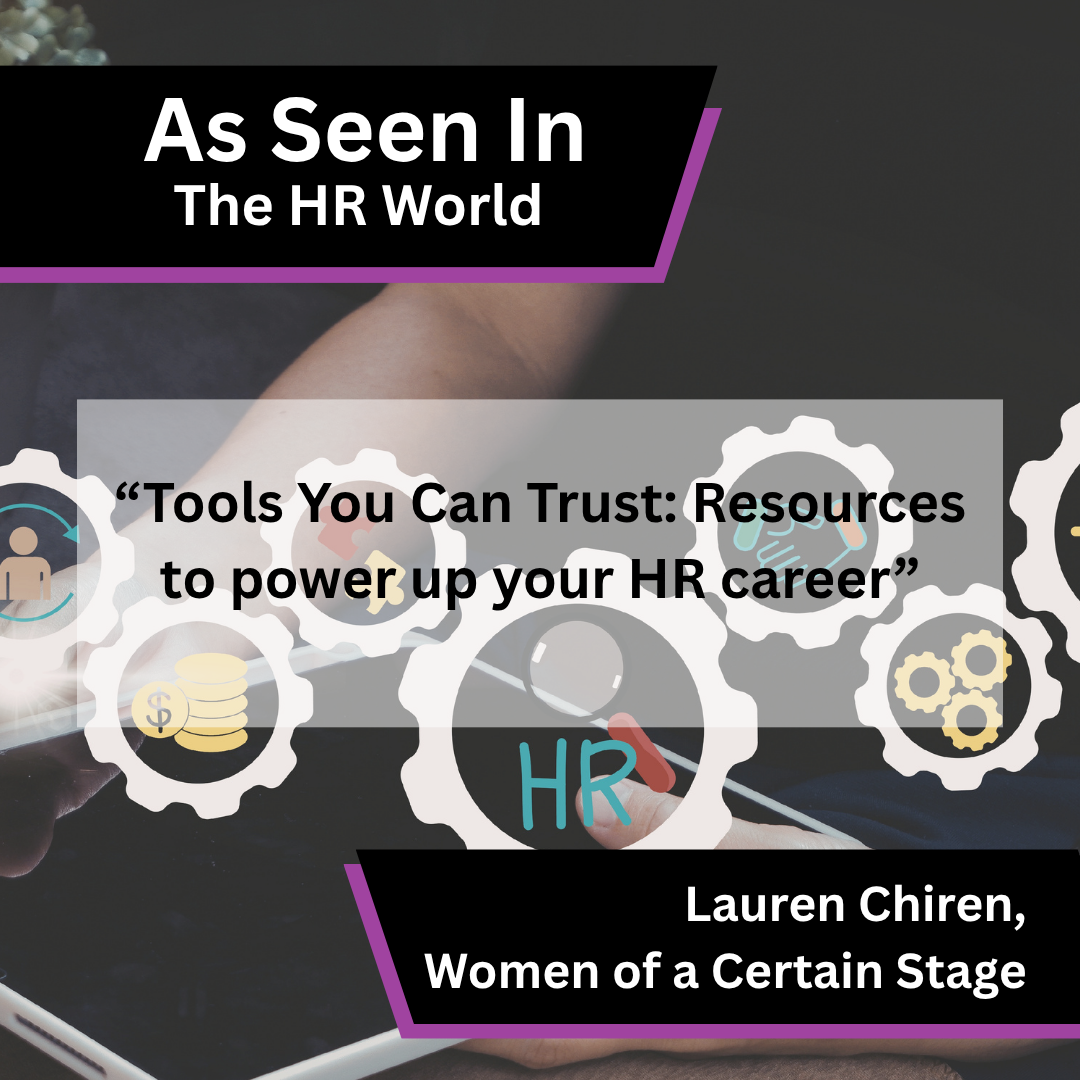
The HR World's 20 March 2025 feature addressed resources that HR practitioners could use to develop professionally. In that context, menopause-related workplace competence is one aspect of the broader skills and awareness that a people professional might consider. The source archive links the article to Women of a Certain Stage and retains the original press image.
This subject matters because business-to-business expertise can be valuable to journalists without a company announcing a new certification or research study. An editor explaining HR career development may seek views on training needs, people management and changing workforce expectations. The expert has an opportunity to contribute experience, not simply to advertise a course.
The final page should credit only the precise Lauren Chiren quotation that appears in the source article or original screenshot. It should not convert editorial reference to the organisation into independent validation of the outcomes of its training programmes. No completed employer contracts, improved retention rates or new client enquiries are recorded by these source links.
2. The business voice in Budget and entrepreneurship stories
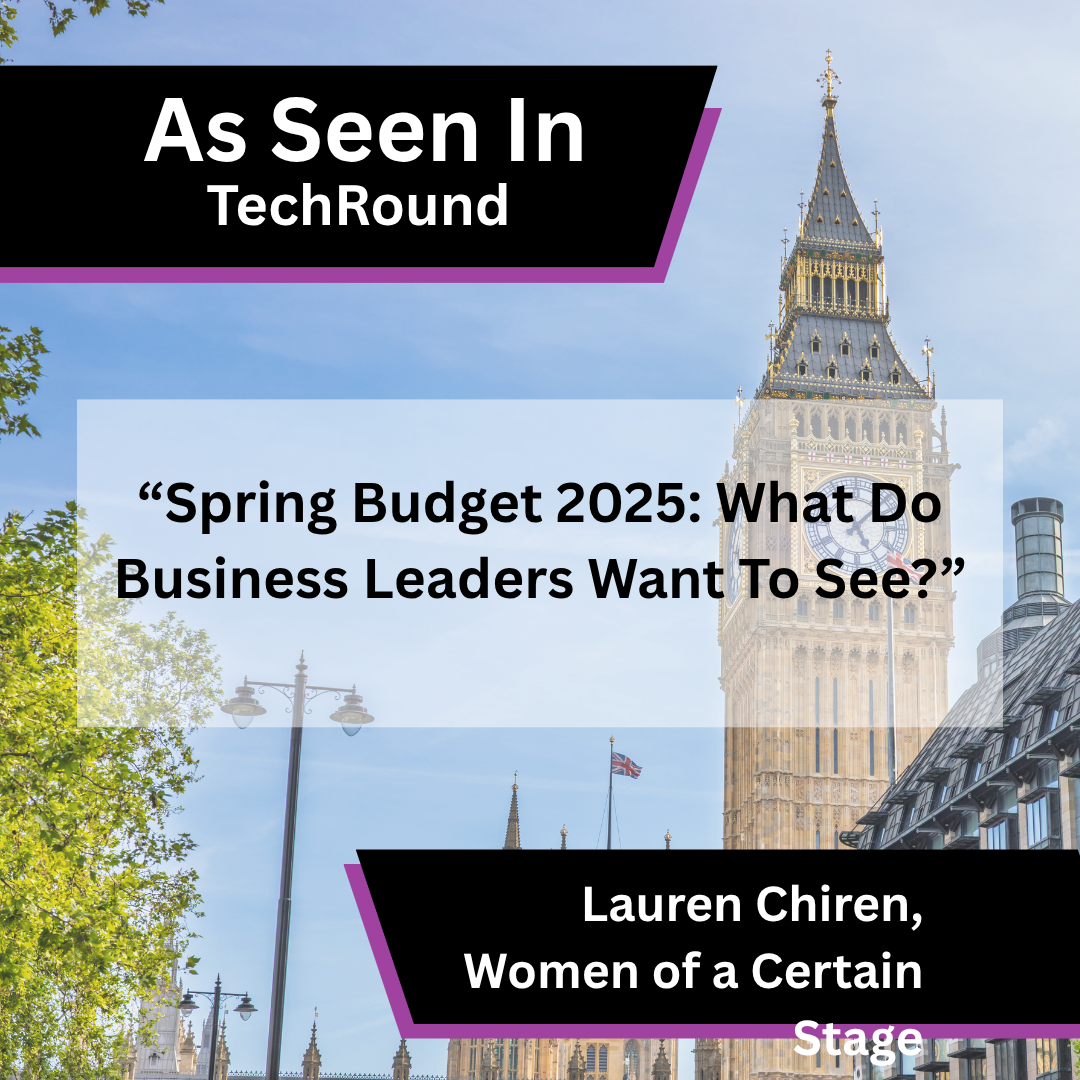
A TechRound article dated 26 March 2025 brought together business leaders' thoughts about the Spring Budget. The archive associates Women of a Certain Stage with the feature. It is a separate editorial angle from workplace wellbeing: the press might want a founder's view on decisions that affect small organisations and the people they employ.
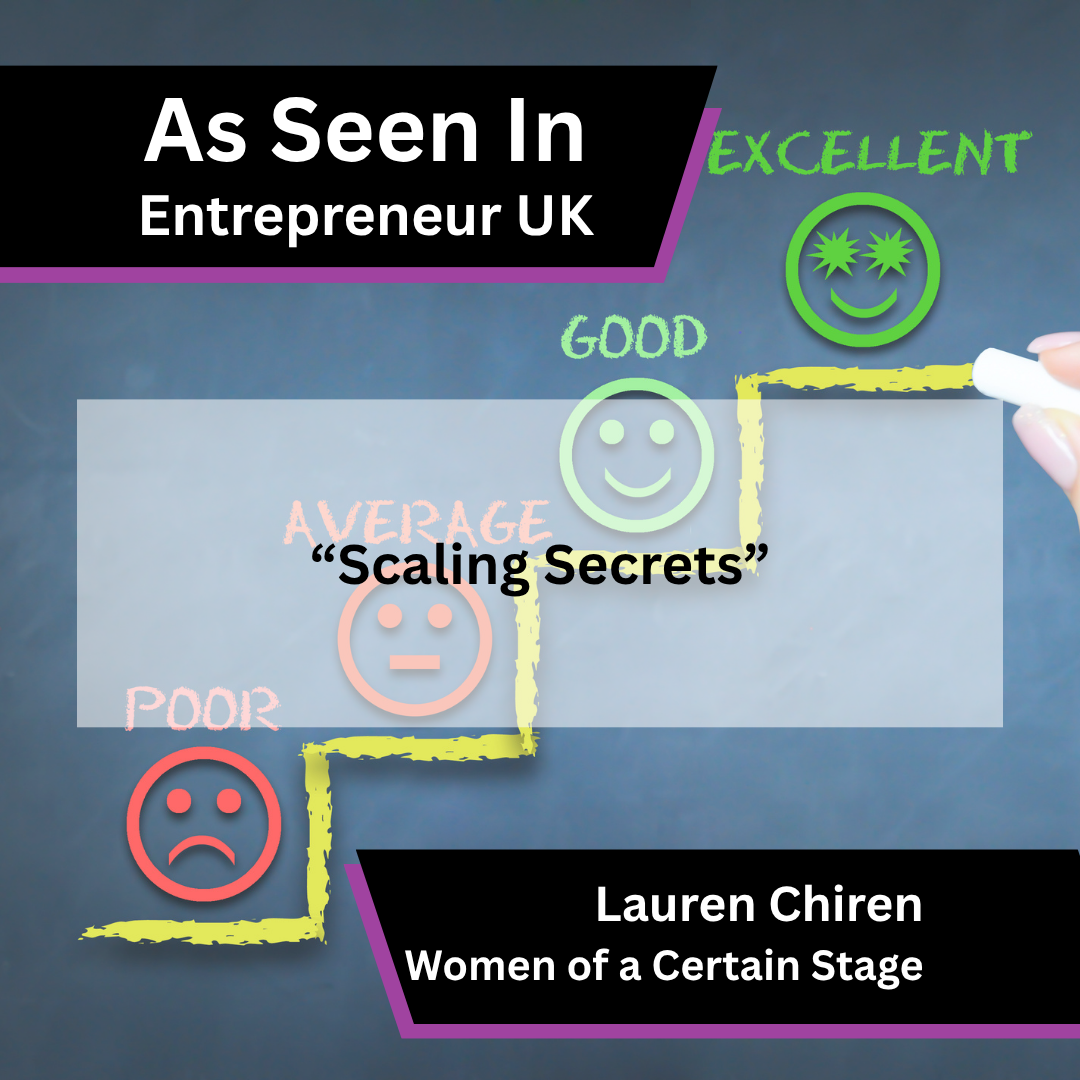
Entrepreneur UK later ran a feature on scaling businesses. It illustrates another way that Chiren's experience building a specialist consultancy may be relevant to entrepreneurial readers. Scaling, staffing, leadership and service design are legitimate business topics. The original press image must establish the exact point attributed to the founder before the case claims she recommended a specific growth strategy.
These articles do not show that a particular Budget measure had a measured effect on Women of a Certain Stage, or that publicity changed the firm's revenue. They show two publisher contexts in which founder and business expertise could be relevant, distinct from the consumer health subjects in the remainder of the archive.
3. Midlife exercise as an accessible editorial subject
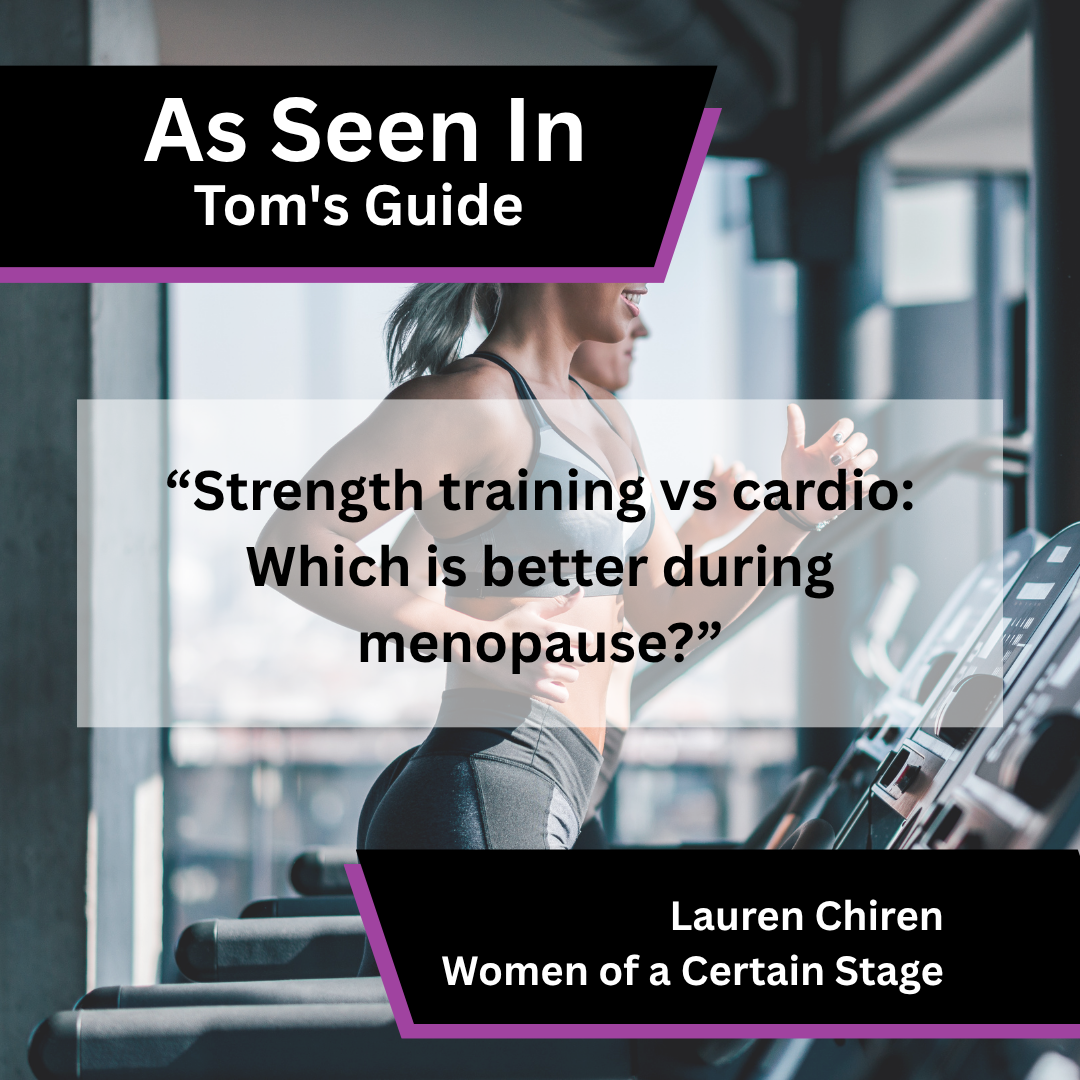
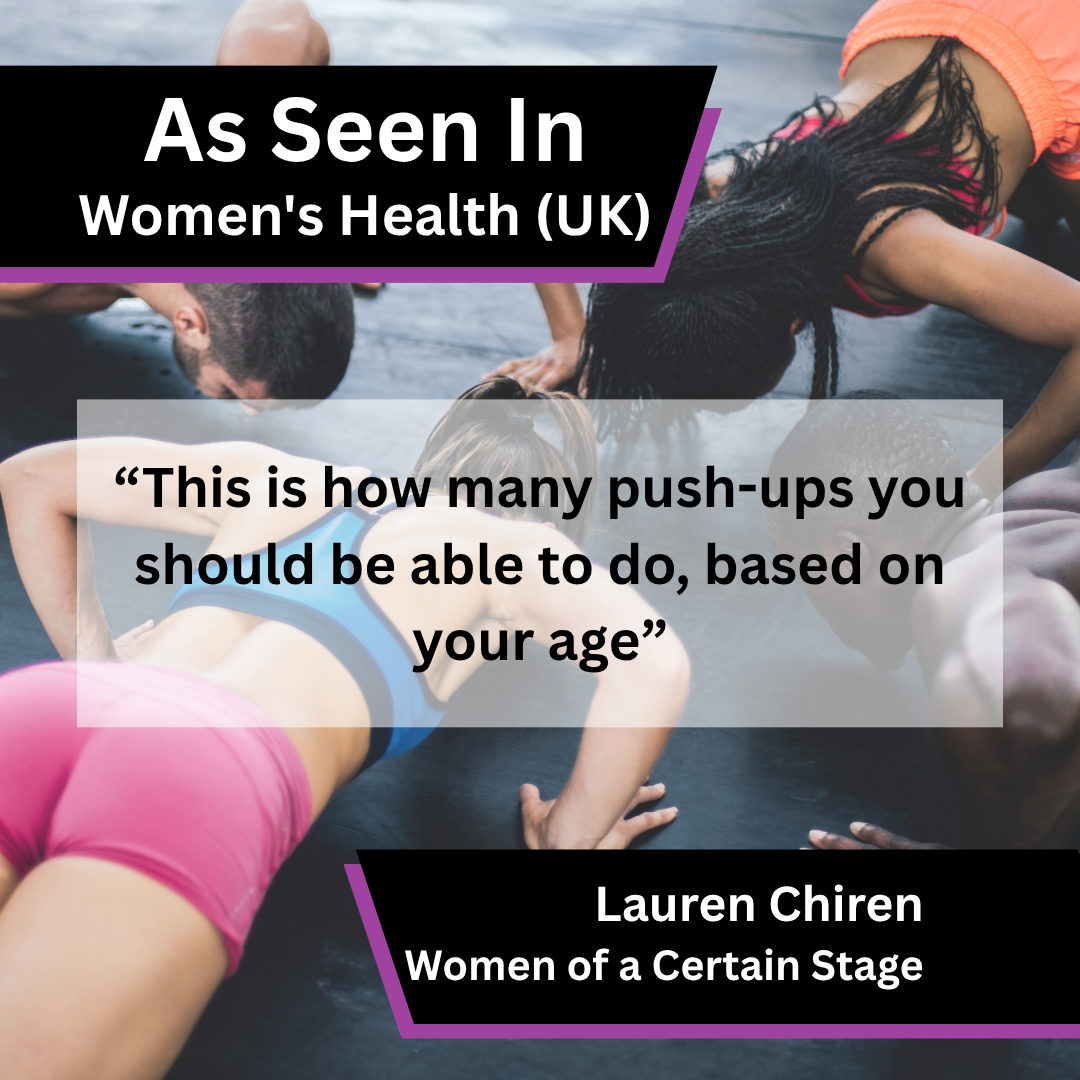
Women's Health UK asked about push-up standards and what strength-related benchmarks might mean for readers. Tom's Guide considered strength training and cardio during menopause, a subject with obvious relevance to people thinking about movement in midlife. Both topics require nuance. An article's headline cannot determine what exercise is suitable for a specific person's health, fitness history, symptoms or physical condition.
The connection to Women of a Certain Stage is the interest in practical, informed conversations about life-stage wellbeing. The archive contains separate source links and original Image 1 proofs, but those proofs should confirm the specific specialist named. A workplace menopause educator should not be described as a physiotherapist, GP or exercise scientist without verified qualifications.
Fitness-focused editorial coverage can reach readers who may never visit an HR industry site. That broader audience is a potential PR advantage when the source is genuinely appropriate. It does not prove that a particular exercise programme treats menopause symptoms or that a company's health service delivers measurable changes.
4. Sleep, chronotypes and daily routines in midlife
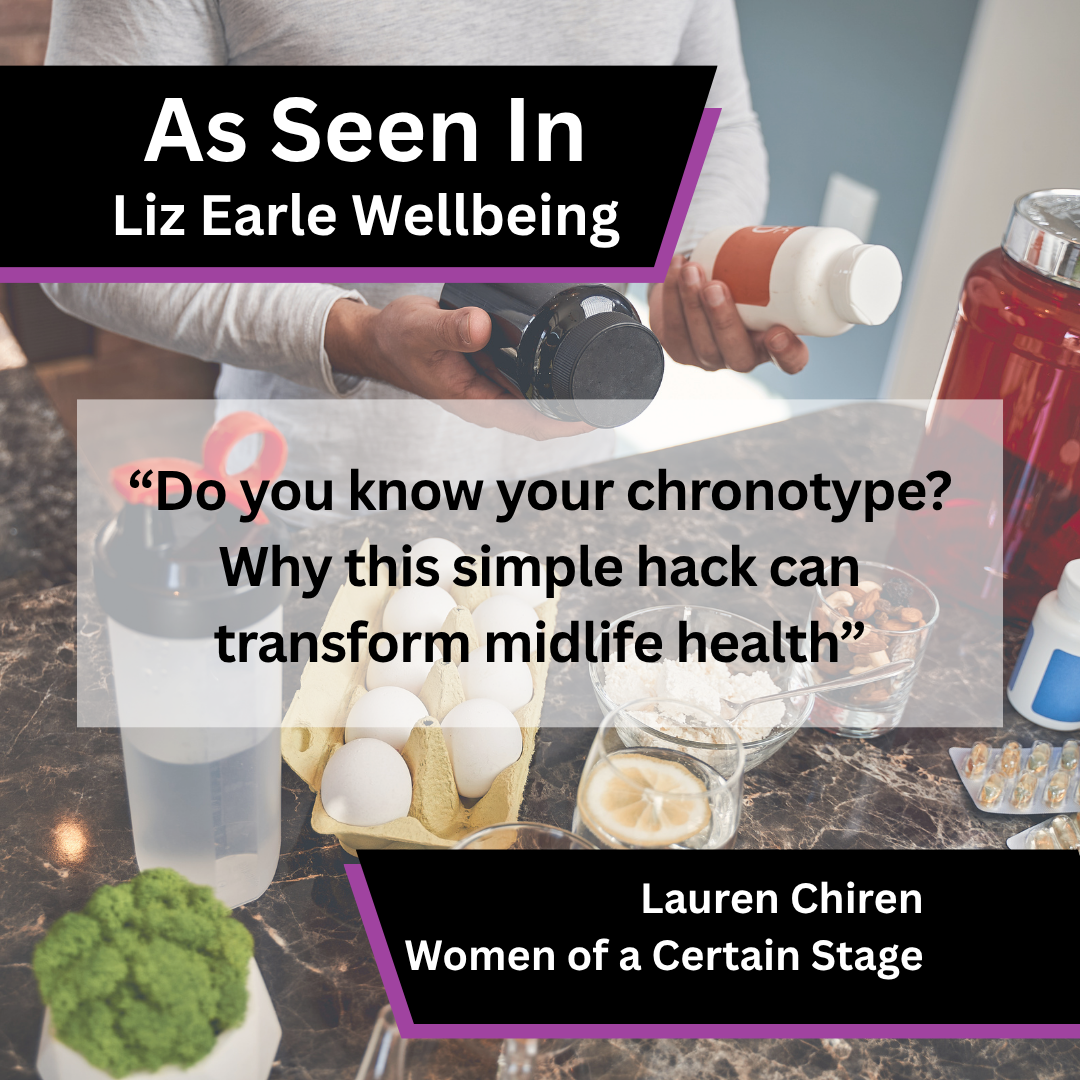
Liz Earle Wellbeing's May 2025 piece discussed chronotypes, rest and midlife health. Sleep can be a useful topic for a menopause-aware commentator because changes in routine and personal wellbeing often intersect with people's questions about that life stage. The article's exact medical assertions should nevertheless be attributed to whoever made them, and no reader should treat a historical lifestyle feature as a personalised diagnosis.
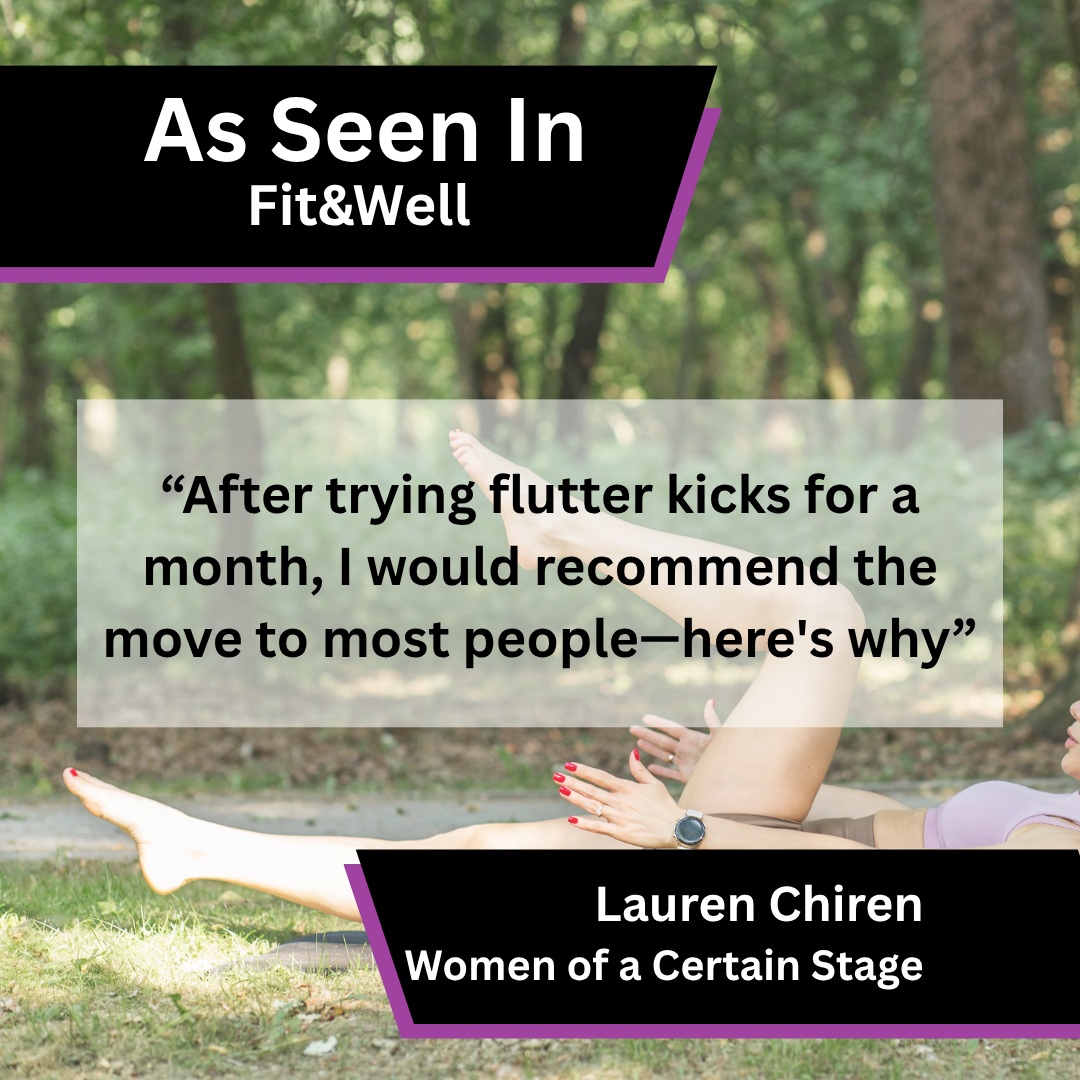
The first-person Fit&Well article about trying flutter kicks over a month is a distinct style of publication. Its central experiment belongs to the journalist or author who did it, rather than constituting a clinical programme run by Women of a Certain Stage. The source record associates the story with the client, but an original quote needs verification before assigning exercise advice to Chiren.
Both articles demonstrate how expert commentary may appear within a larger consumer feature. A useful source may help explain a particular decision, even when the article is not solely about the source. The correct case study preserves those boundaries instead of claiming the specialist conducted the publisher's personal experiment.
5. Print coverage as a separate form of evidence
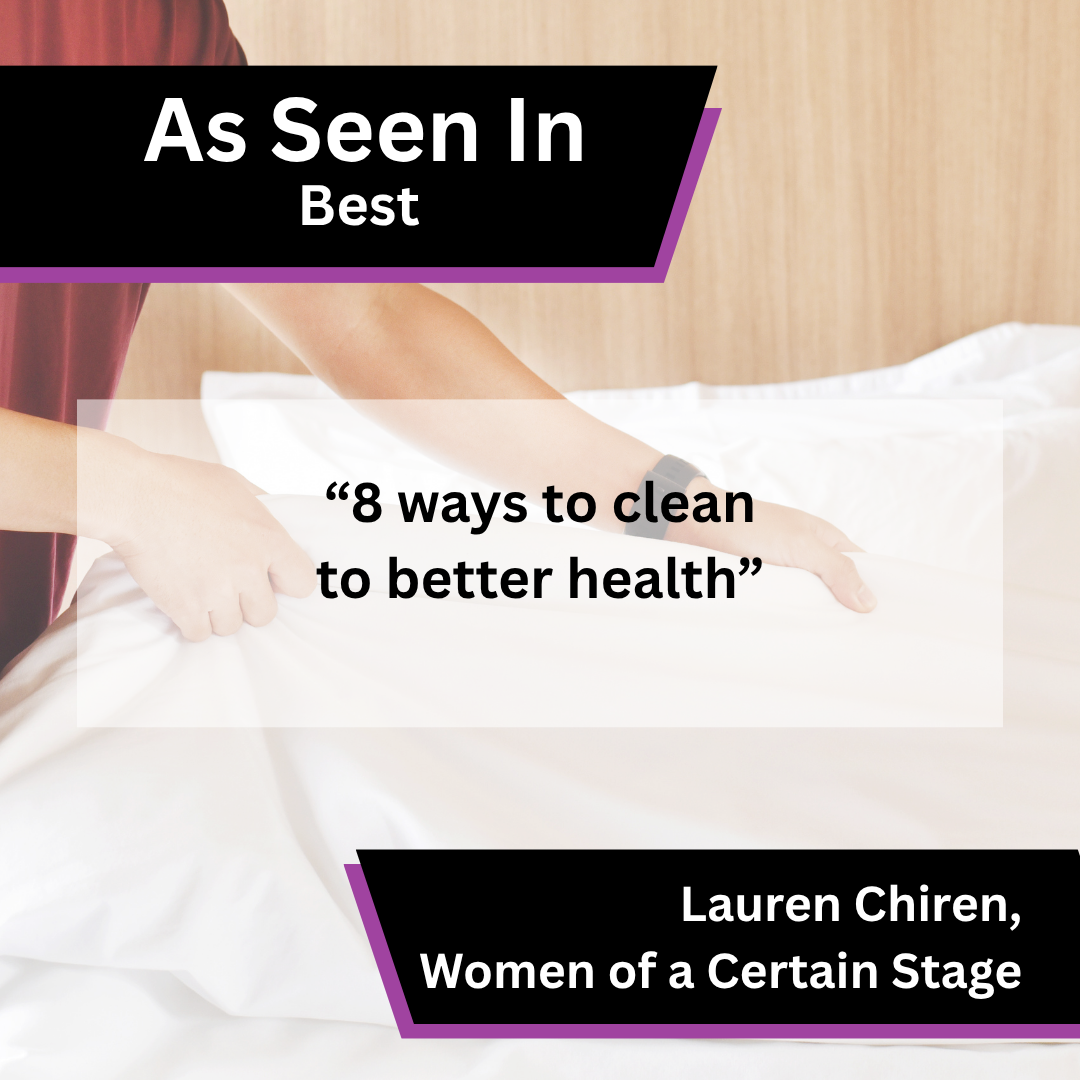
Best Magazine recorded an item in April 2025 about cleaning and wellbeing. The original source field is a Google Drive file, not a public magazine article URL. A separate Image 1 proof also exists. This should be handled as an archived print appearance: the publication brand, date and available genuine image can be shown once attribution and reuse permission are confirmed.
A print clipping can be meaningful media evidence even without a modern accessible hyperlink. It must not be turned into an invented external article address or counted as a live backlink. The exact caption and client contribution should come from the actual print page rather than from a short board summary.
This provides another example of consumer wellbeing journalism extending into ordinary routines. It remains a recorded historical appearance, not proof that cleaning improves specific medical conditions or that an organisation provides a particular therapy.
What the eight historical records demonstrate
Eight original Published Press entries are recorded across eight named publications. Seven have conventional publisher article URLs and one, Best Magazine, is represented by original print-source files. All eight have saved Image 1 links for gallery consideration, with reuse and correct attribution still to be checked.
The reported two-month contract is distinct from the March-to-June 2025 source window. The records do not quantify new employer clients, training enrolments, sales, brand-search increases, backlink survival or changes in staff wellbeing attributable to the campaign. Those results cannot be inferred from the appearance count.
The evidence does support a useful positioning lesson. A business specialising in workplace menopause education can have relevant knowledge for business media and for reader-led lifestyle features, provided each subject sits within a genuinely supportable remit. That is a stronger demonstration of editorial breadth than merely listing logos without explaining why journalists might have needed the source.
Published media coverage
| Publication | Archive date | Feature |
|---|---|---|
| The HR World | 2025-03-20 | Resources to develop a career in HR |
| TechRound | 2025-03-26 | Business leaders discuss the Spring Budget |
| best magazine | 2025-04-09 | Cleaning and its relationship to wellbeing (archived print source; no publisher URL) |
| Women's Health UK | 2025-04-14 | Push-up standards and fitness benchmarks |
| Entrepreneur UK | 2025-05-22 | Scaling secrets for founders and business owners |
| Tom's Guide | 2025-05-22 | Strength training versus cardio during menopause |
| Liz Earle Wellbeing | 2025-05-22 | Chronotypes, sleep and health in midlife |
| Fit&Well | 2025-06-01 | Flutter kicks and a month of home exercise |
Images from the coverage
Campaign details
| Result | Details |
|---|---|
| Client | Women of a Certain Stage, founded by Lauren Chiren |
| Specialism | Menopause workplace education and professional training |
| Confirmed PR engagement | Two months, exact contract start/end not recorded |
| Historical media records | Eight across eight publications |
| Online and print | Seven publisher article URLs, one best magazine print-source record |
| Source publication dates | 20 March to 1 June 2025, slightly beyond two calendar months |
| Original image sources | Eight Image 1 URLs saved, with attribution and reuse checks required |
| Coverage range | HR resources, founder/business views, midlife movement, sleep, general wellbeing |
| Not proven | No attributable enrolments, contracts, patient or employee wellbeing outcomes, sales or current backlinks |
Frequently asked questions
How long did the PR engagement last?
Two months, as confirmed by the account owner. The historical media record spans 20 March to 1 June 2025, so those dates are not asserted to be the exact start and end of the contract.
How many press records are associated with the client?
Eight across eight publication names, comprising seven linked online articles and a best magazine print-source record.
Does the coverage prove a health benefit from a training programme?
No. The press record documents editorial appearances. It does not independently measure clinical effects or employee outcomes.
Did every article focus exclusively on menopause?
No. The archive includes HR, entrepreneurship, general exercise, sleep, cleaning and other wellbeing topics. Each source's exact client attribution should be verified before publication.
Explore women's health, workplace and expert PR
Businesses with real workplace expertise can contribute to useful journalism when their experience answers an editor's question. Fair PR builds earned-media opportunities around properly attributed founders, sector knowledge and credible examples. Explore Women's Health & Fertility PR, HR & Recruitment PR and Expert PR. To discuss a relevant campaign, visit Contact Fair PR.
