

Tea, Coffee & Alcohol-Free Drinks PR Case Study | Four separate engagements
Real PR examples for KAYTEA, Kombucha Warehouse, Birchall Tea and Blue Goose Coffee
A tea brand, a kombucha business and a coffee specialist are all part of the drinks market, but their best stories are rarely interchangeable. Some products belong in food and gift guides. Other companies have an original launch, practical knowledge a journalist can draw on, or a relevant alternative to alcohol when a seasonal drinks article is being assembled. Four historic PR engagements show how these different openings led to recorded coverage in consumer, food, lifestyle and specialist publications.
This case study follows KAYTEA, Kombucha Warehouse, Birchall Tea and Blue Goose Coffee. Jordan confirms that their individual engagements lasted six months, three months, two months and one month respectively. They were distinct clients, not one shared project. We compare their published history to explain what different types of non-alcoholic drinks brands can offer journalists, without treating the wider record window as a combined in-contract performance figure.
The opportunity: avoid treating every beverage story alike
A drink may be interesting because of its flavour, intended occasion, packaging, product category, preparation method or the experience of the people behind it. Journalists evaluate these attributes differently. A gift-guide editor is deciding what products serve a reader's shopping need. A trade reporter may need a concrete launch or category development. A home journalist may be looking for somebody who can explain a coffee machine or the steps in preparing a drink.
The most useful approach is to identify why this exact brand is relevant to the specific feature rather than sending every journalist the same general product description. That logic can work for a startup and for an established producer, but it must always be grounded in what is real about the business.
KAYTEA: more than one way to introduce an iced-tea brand
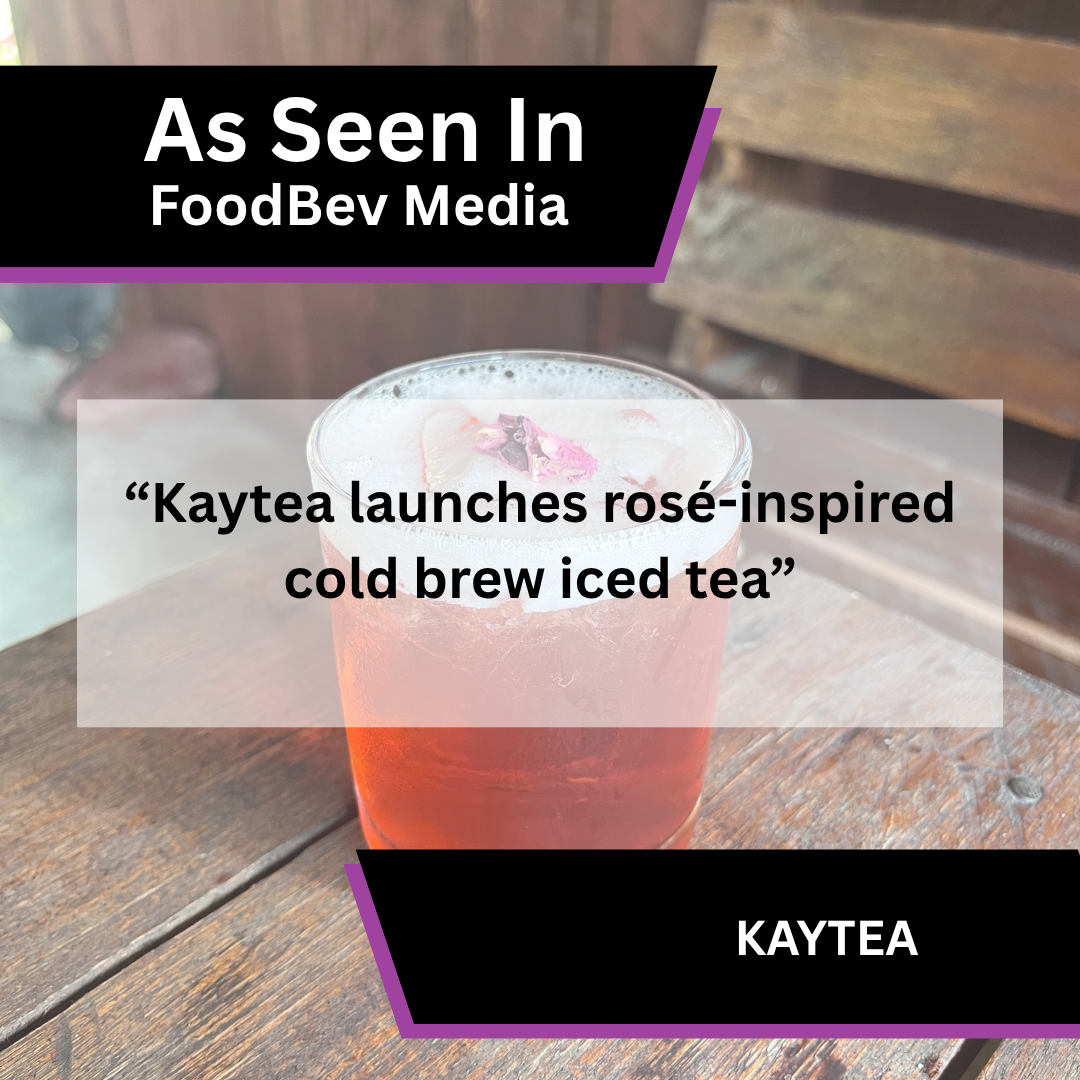
KAYTEA has a varied historical set of editorial examples. FoodBev Media reported its rosé-inspired cold-brew iced-tea launch. That was a newsworthy product development for readers following the food and beverage industry, not merely a general consumer recommendation.
The brand also appears in the Independent's bedtime-tea guide, a Daily Mail food-and-drink gift round-up, a Market.Me iced-tea feature and a Lancashire Times cold-brew-tea cocktail recipe.
The original archive further lists print coverage in Metro and Scottish Metro and an Independent/IndyBest herbal-tea round-up. Those are useful as recorded historical references, subject to the actual print scans and the current state of changing online buyer guides.
These pieces illustrate several separate editorial needs: new-product news, gifting, product selection, recipes and seasonal discovery. A tea business with a genuine range of formats may be able to speak to more than one journalist audience. KAYTEA's recorded engagement was six months. The full historical record list should not be presented as a definitive total achieved within that term.
Kombucha Warehouse: alcohol-free discovery and a testimonial from the client
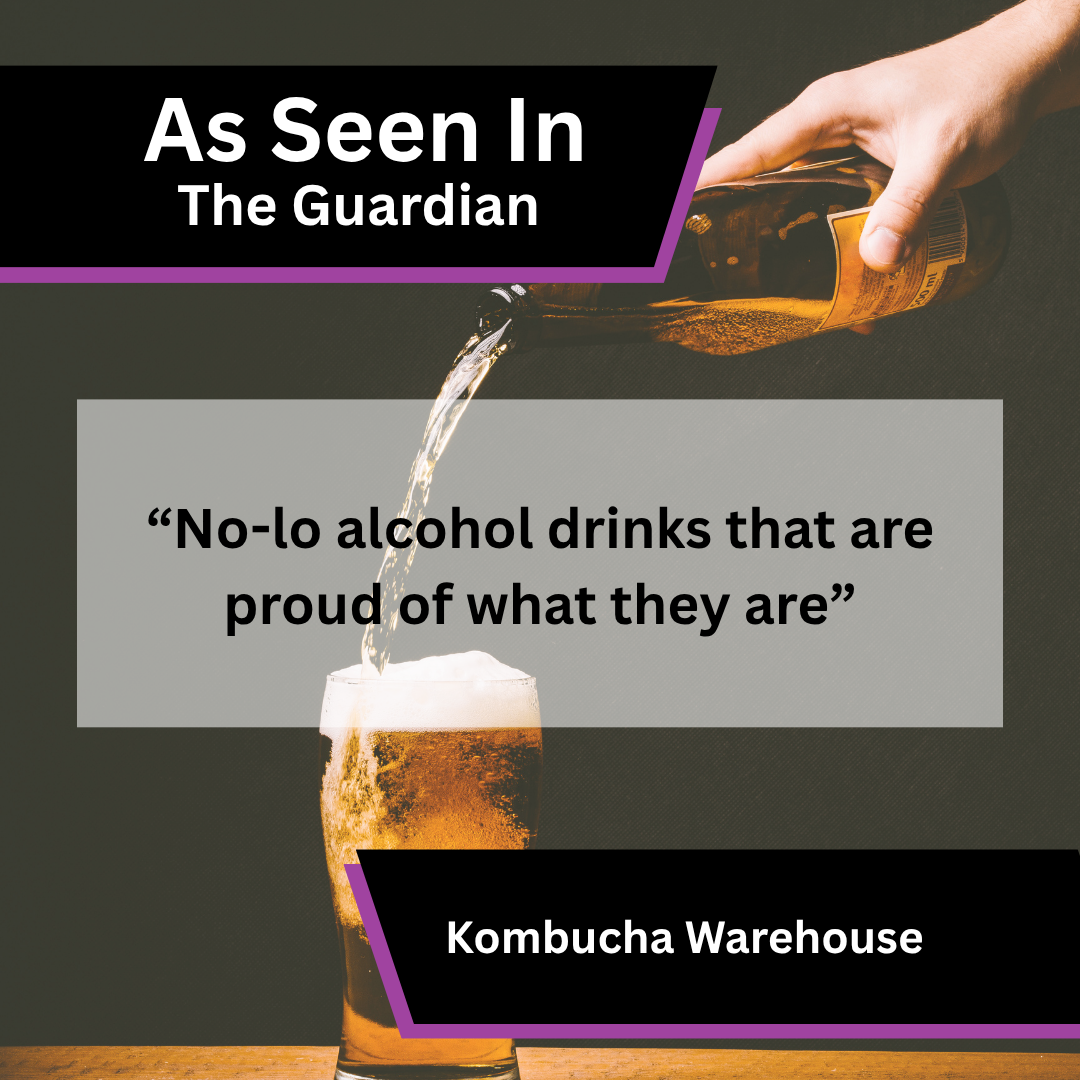
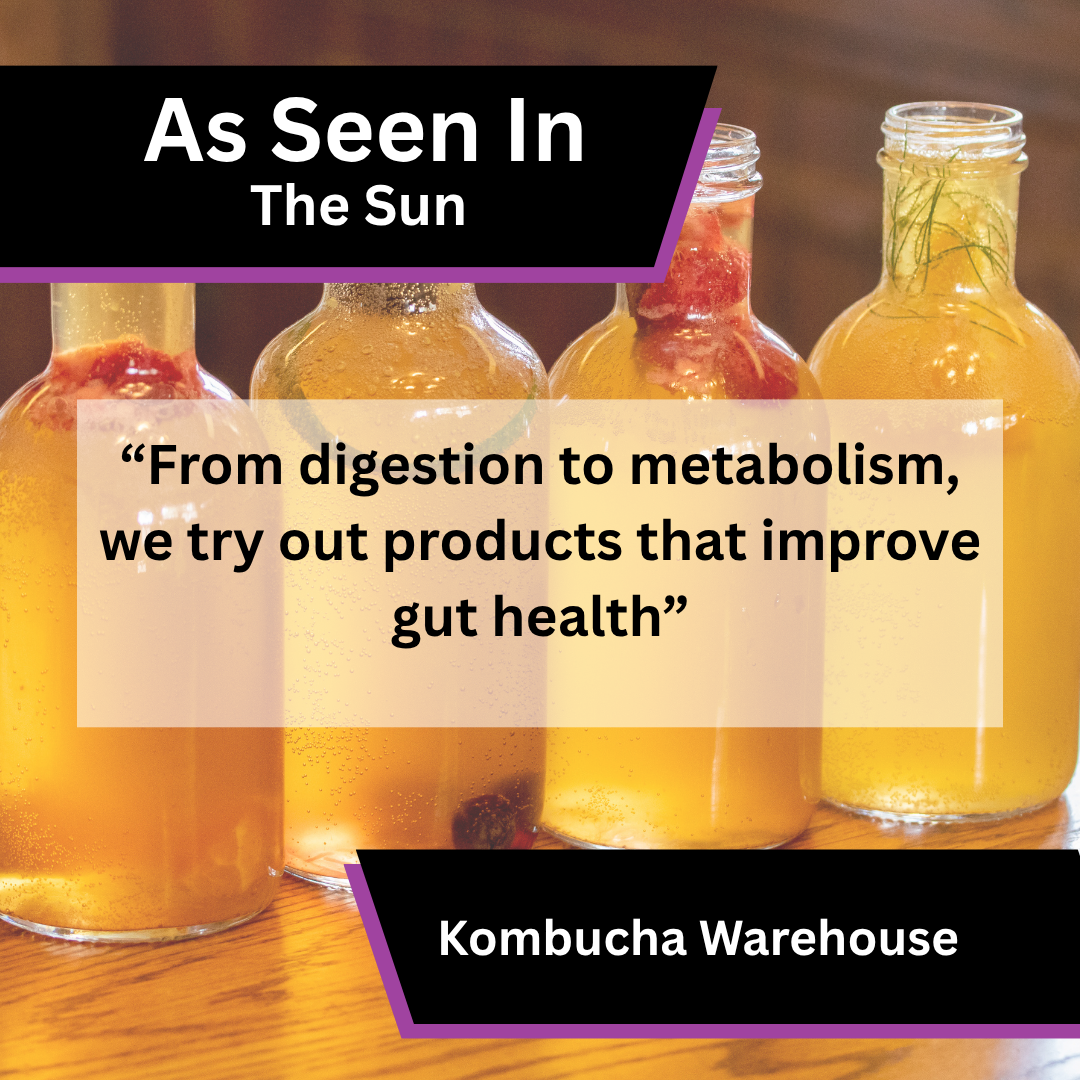
Kombucha Warehouse provides a particularly clear example of a product becoming relevant to a growing consumer occasion. Metro included the brand in its Dry January feature about seven alcohol-free drinks. The Guardian's no-and-low-alcohol drinks coverage featured the category and included the brand in the source archive. The Sun carried a gut-health product feature, while Market.Me recorded an earlier kombucha subscription piece.
These are not four versions of the same article. One concerns a seasonal alcohol-free occasion, another product categories and consumer interest, and another a health-adjacent consumer review. When writing about gut health, we distinguish a journalist's article topic from evidence that a product delivers a clinical benefit. Coverage does not establish treatment effectiveness.
Kombucha Warehouse also provides unusual first-hand confirmation of how the working relationship felt to the client. Jordan Sotiriou, reviewing the PR team on 19 January 2023, said: "The team really helped to get our company name out there. We received great press in reputable publications including The Guardian and Metro. They were friendly, helpful and had a great system that allowed us to keep track of all the press releases we were working on. They were always available to answer questions."
His review specifically mentions The Guardian and Metro, the two titles visible in the historical source archive. It also speaks to practical service delivery, communication and the ability to follow the PR team's progress. The client has supplied a genuinely relevant endorsement, but the praise should not be converted into invented commercial metrics.
Kombucha Warehouse's confirmed engagement length was three months. The archive records a wider sequence of published examples, so the copy keeps that distinction intact.
Birchall Tea: established products in selection and gift journalism
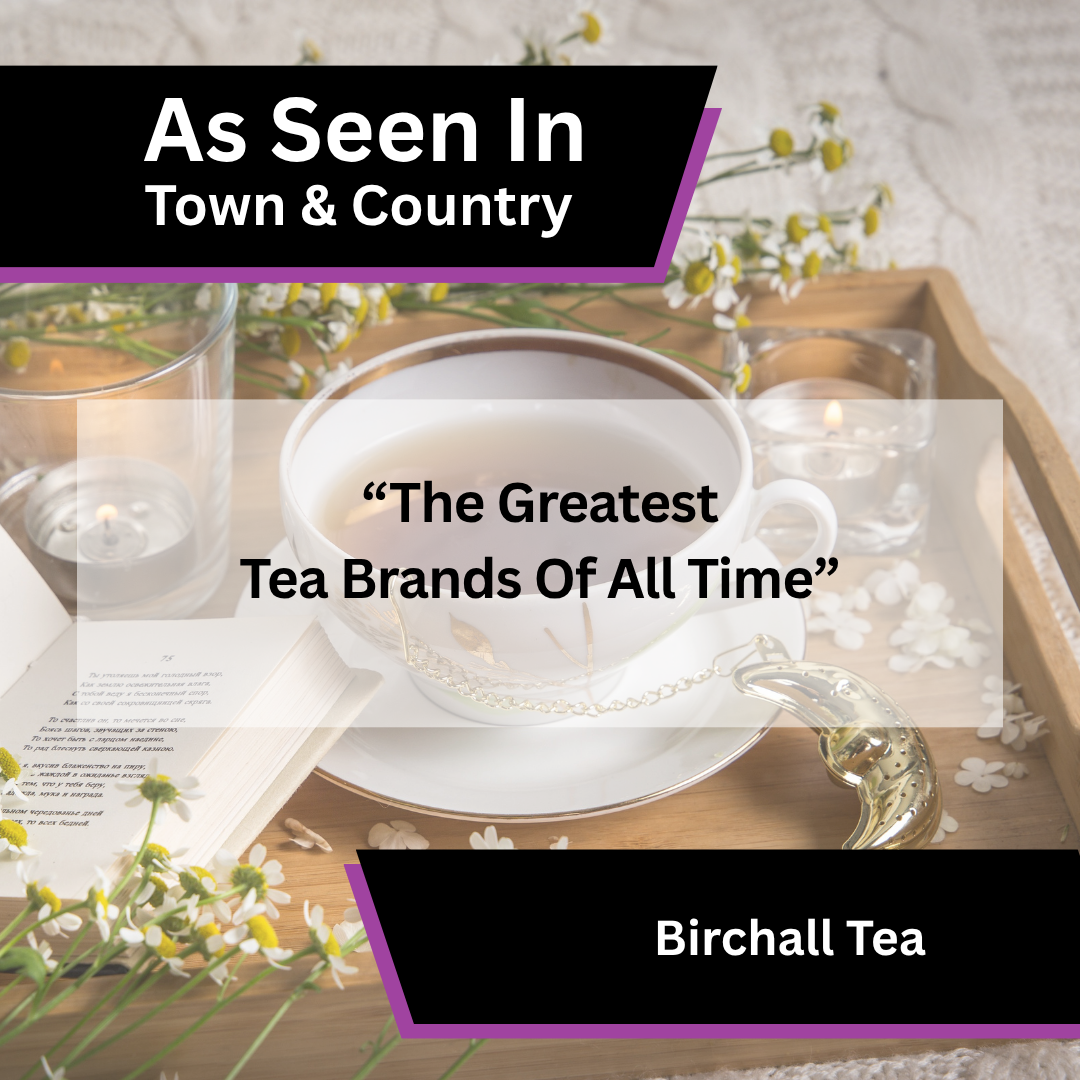
Birchall Tea's archive contains three distinct editorial examples. Market.Me wrote about the brand in a new-tea feature. Country & Town House included it among well-known tea brands. MailOnline included the brand in a Christmas food-and-drink gift guide.
These titles show a different consumer PR route from KAYTEA's launch. Rather than needing a scientific claim or a company news announcement, the product can be relevant because the editor is curating tea options or gifts for readers. Such round-ups are selective editorial contexts. They should be treated as documented inclusions, not blanket recommendations of everything a business sells.
Birchall Tea's stated engagement was two months. Its recorded history provides useful published examples but does not itself establish sales figures, distribution increases or the precise backlink count attributable to that term.
Blue Goose Coffee: product features and genuine coffee expertise
Blue Goose Coffee supplies a useful contrast with the tea stories. LoveFood included the brand in an advent-calendar guide, showing an ordinary product-discovery opportunity connected to a season.
Two other recorded pieces came from Saga Exceptional, both on practical home coffee subjects. One explained how to choose a type of coffee machine; the other described ways to make barista-style coffee at home. The PubPB source records name Lex Thornely in relation to both coffee-expertise articles.
This distinction is important. Journalists may need practical knowledge, not only a sample or a new product announcement. A brand whose spokesperson can explain equipment, preparation and common consumer questions offers a different kind of useful source. Both Saga pieces share a publication and date, but are separate linked subjects and should be recorded that way.
Blue Goose Coffee's engagement lasted one month. The article history spans a broader window, and the case study does not attribute all those dates to a particular one-month period or invent coffee-sales growth.
What a drinks brand can learn from these campaigns
The four examples demonstrate at least four broad routes to editorial relevance: an actual product launch, selection for food and gift features, timely non-alcoholic drinks coverage and useful specialist preparation advice. Different product ranges, spokesperson knowledge and publication needs made different stories possible. The value of the comparison lies in those distinctions, not an aggregated promise of press hits.
There are also clear limits to the evidence. We have original publication records and a genuine testimonial, but no independent sales figures, site-traffic increases, measured awareness uplift or confirmed backlink total for these grouped campaigns. Articles are meaningful editorial outputs, not proof of those separate outcomes.
Published coverage results
Images from the coverage
Campaign details
| Result | Details |
|---|---|
| Brands | KAYTEA; Kombucha Warehouse; Birchall Tea; Blue Goose Coffee |
| Campaign terms | KAYTEA: 6 months; Kombucha Warehouse: 3 months; Birchall Tea: 2 months; Blue Goose Coffee: 1 month |
| Editorial routes | Tea product guides; a cold-brew tea launch; no/low-alcohol round-ups; coffee-making expertise; seasonal gift coverage |
| Selected outlets | The Guardian, Metro, The Sun, The Independent, Daily Mail, FoodBev Media, Saga Exceptional and Country & Town House |
Frequently asked questions
What makes a non-alcoholic drink brand relevant to journalists?
It depends on the story. An original product launch can interest trade press, a giftable product can fit a seasonal buying guide, and an informed spokesperson can offer useful preparation advice. The common factor is a genuine connection between the brand and what the publication's readers want to know.
Can kombucha businesses benefit from Dry January coverage?
Potentially. Metro's Dry January and The Guardian's no-and-low-alcohol coverage show that alcohol-free drink alternatives can be relevant when editors consider that subject. A journalist still decides whether a particular kombucha product fits the article and whether the brand's claims are properly supported.
Does an article automatically create backlinks, sales or a higher search ranking?
No. A published story is evidence of editorial exposure. Whether it includes a link is a separate question, and conversions or search rankings require their own data. This case study uses documented media sources rather than guessing those outcomes.
Explore Food & Drink PR
Our journalist-led team works with product businesses and experts whose stories are genuinely relevant to editors. See Food & Drink PR, Consumer Product Brands PR and our approach to earned editorial at Standard PR. To discuss your business, visit Contact Fair PR.
