
Grief Specialists PR Case Study | 4 Historical Press Records
A two-month Grief Specialists PR engagement led to recorded bereavement and family-support media opportunities.
Grief Specialists' historical press archive shows how people working in bereavement support can help journalists explain difficult subjects with care. Four records from February and March 2022 concern switching off after work, speaking to children about the Russian invasion of Ukraine and navigating Mother's Day while grieving. Their recorded outlets are Closer, the Daily Mirror, The Independent and Woman & Home.
The account owner confirms a two-month PR engagement. The archived article dates run from 17 February to 25 March 2022, within a period consistent with that duration. The exact service start and end dates are not independently recorded, so this case describes the confirmed two-month engagement separately from the source publication dates rather than asserting a precise release schedule.
Because these subjects involve grief, parental responsibility and serious conflict, good PR must be especially cautious about attribution and evidence. Woman & Home independently names Maria Bailey as founder of Grief Specialists. The other three archived links require their original press-image proofs to establish exactly who spoke and which comments were included. They remain historical records, not four independently verified client quotes until that examination is complete.
Why the organisation's experience matters to journalists
Grief Specialists is an organisation supporting people affected by loss and bringing together practitioners with different backgrounds in grief and bereavement. Its own site describes a collective or directory of professionals providing support. Maria Bailey is named by the Woman & Home article as its founder. The available coverage does not give us grounds to attribute a particular counselling licence, therapeutic qualification or protected clinical title to every person associated with the organisation.
Editors covering bereavement often need people who can discuss personal experience and supportive communication in language a general audience can understand. Readers may be coping with a recent loss, anticipating a significant anniversary or trying to help a child process an upsetting news event. Those experiences differ greatly, so empathetic commentary should avoid promising a single universal response.
An editorial contribution in this area should make space for individual feelings, respect boundaries and make the difference between general support and personalised professional care clear. That is why this case focuses on the specific subjects of the archived reports rather than suggesting a particular technique will treat grief.
1. Switching off from work and making room for rest
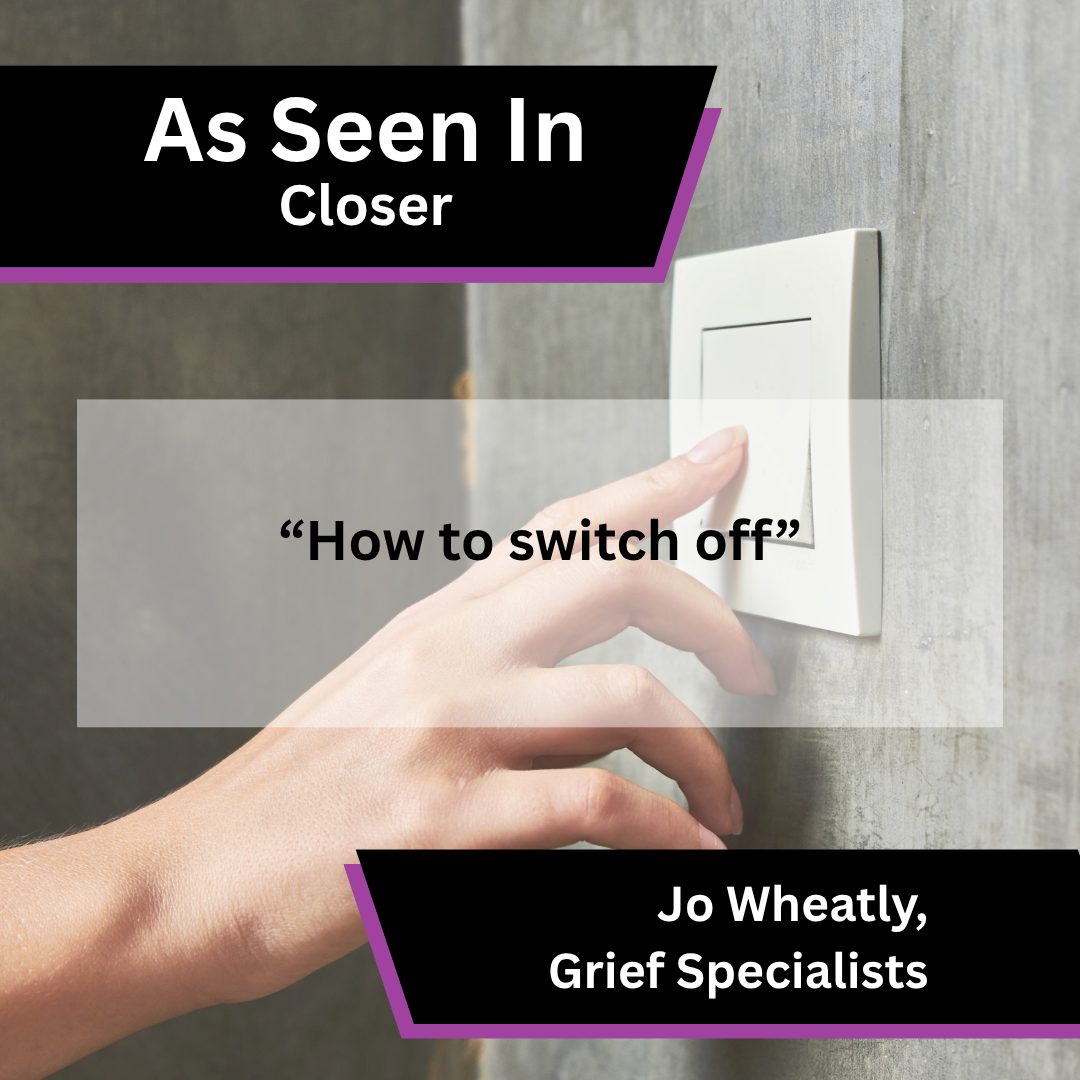
The earliest press record is a February Closer feature on the importance of switching off after work. This is a broad wellbeing subject, rather than a story exclusively about bereavement. The topic is plausibly relevant to experts who work with emotional demands, coping strategies and personal boundaries.
A cautious case study can recognise the recorded opportunity while identifying the outstanding verification. It should not manufacture a mindfulness programme, sleep intervention, stress-cure claim or quoted wording that the record does not support. The wider editorial principle is that the way people manage emotional pressure can be useful to journalists, but every specialist statement needs appropriate professional context.
2. Supporting parents trying to discuss frightening world news
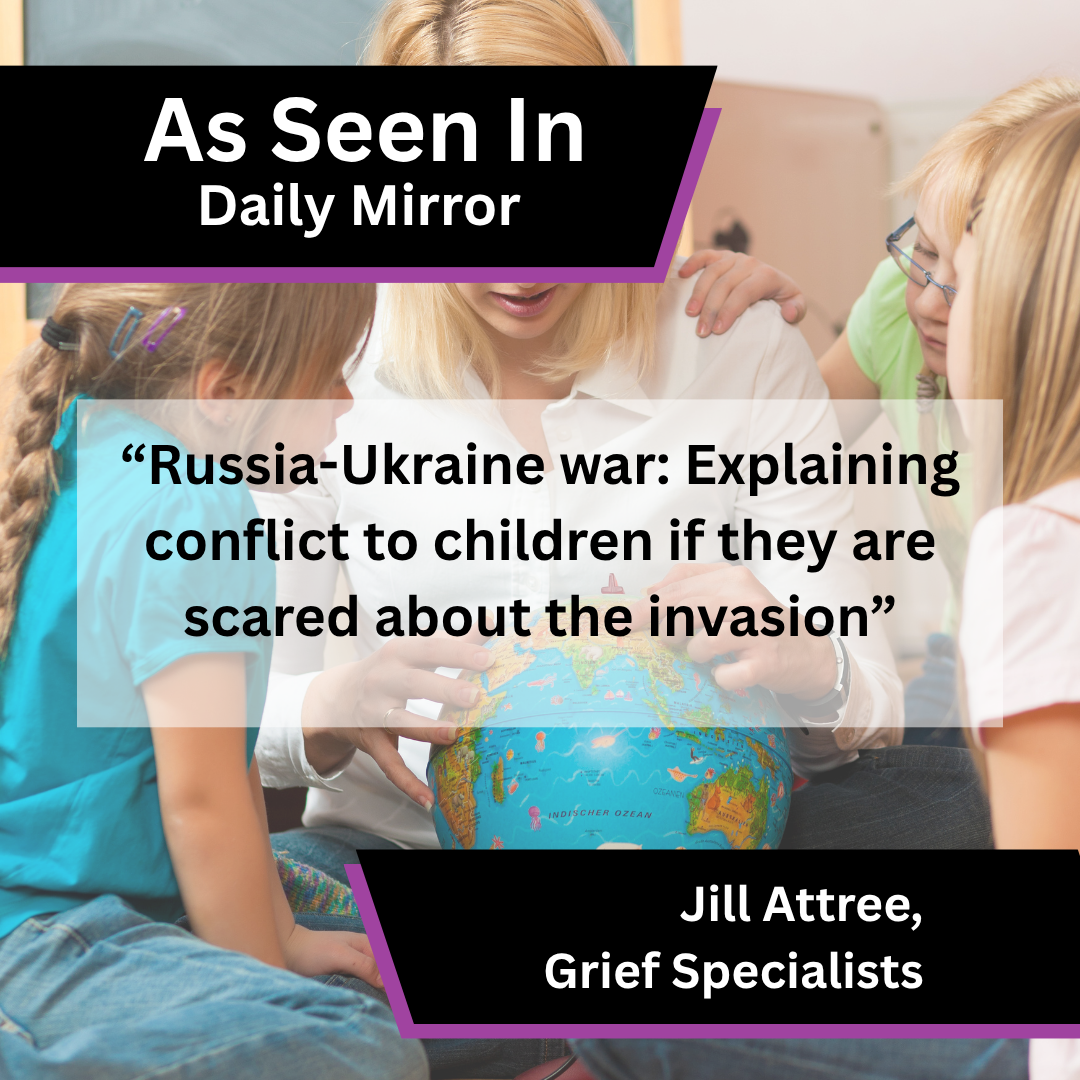
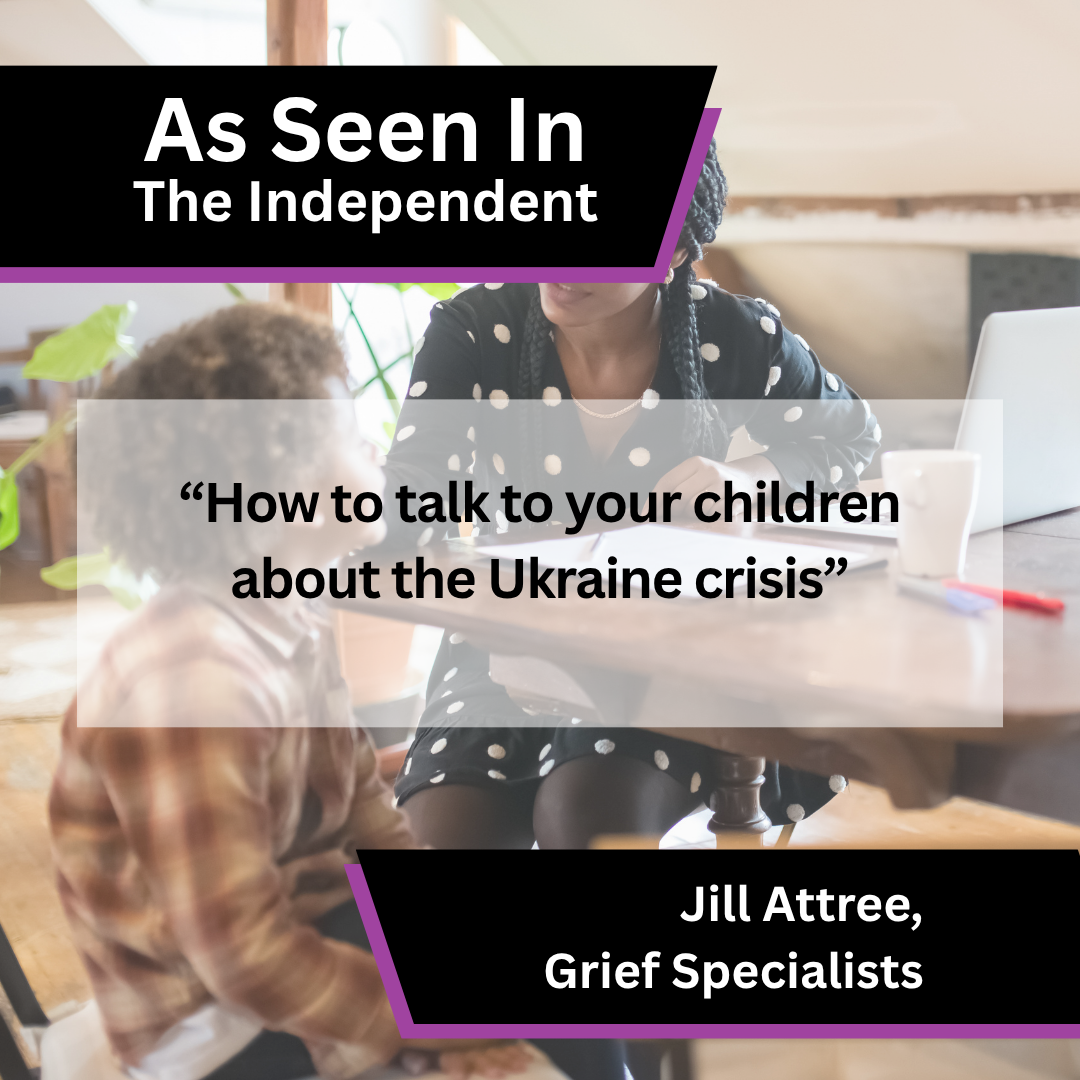
Two records cover the very difficult period surrounding Russia's invasion of Ukraine in February 2022. The Daily Mirror and The Independent published advice-oriented articles on discussing the conflict with children. These are two distinct publisher URLs, but they concern the same wider news event and question. They should not be framed as two completely unrelated original news hooks.
This kind of journalism can need informed voices who understand how adults and children respond to distressing events. Different children may ask different questions or need different levels of reassurance, and responsible advice should avoid age-inappropriate details and catastrophic predictions. It is appropriate to describe the editorial issue historically, rather than to present a 2022 news feature as up-to-date conflict reporting or personalised child-psychology advice.
3. Coping with Mother's Day after bereavement
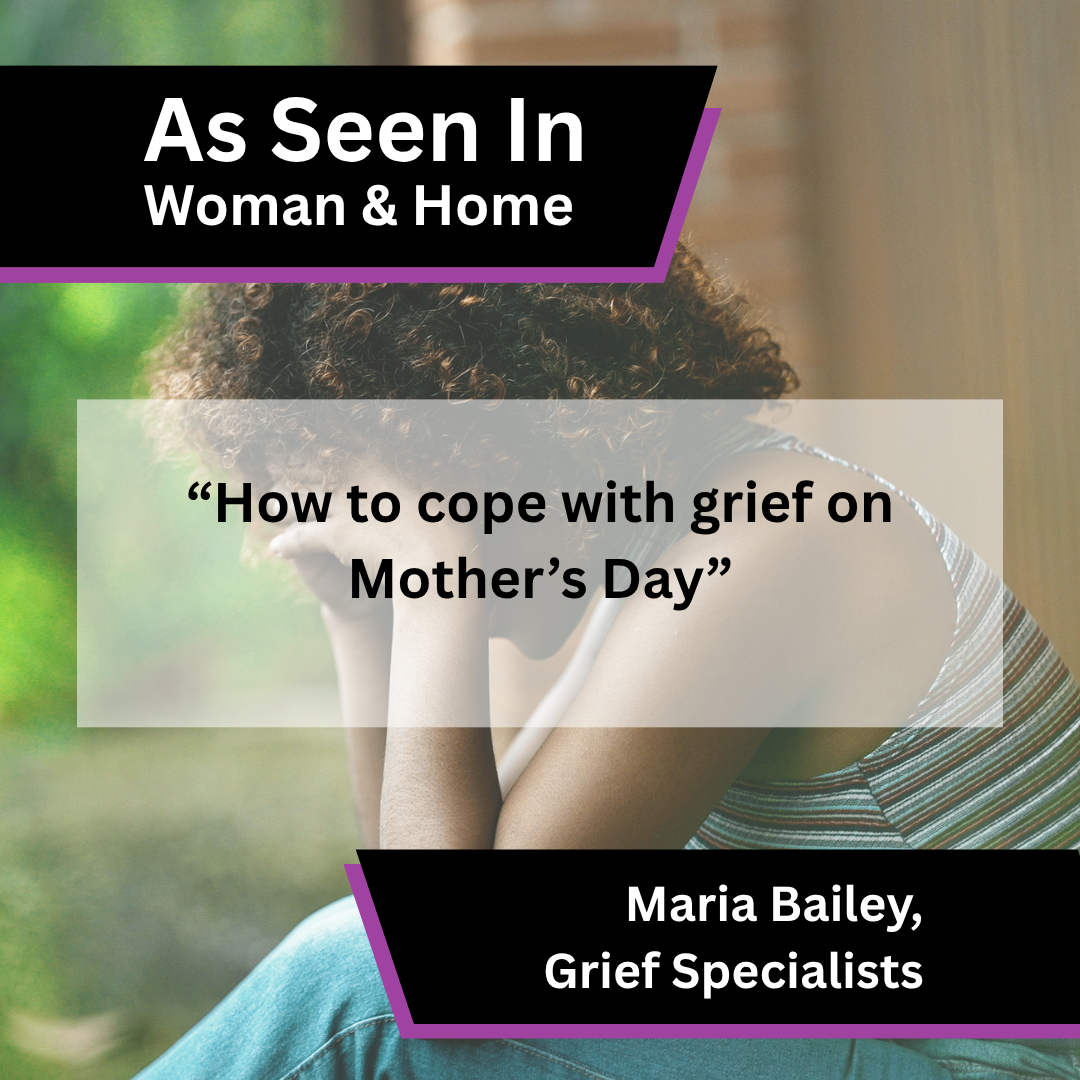
Woman & Home's March 2022 article about coping with grief on Mother's Day provides the clearest direct evidence in the source group. It names Maria Bailey as founder of Grief Specialists and describes her own experience of difficult marketing emails and reminders around the occasion. This is a clear, authentic connection between a media contribution and the organisation.
The article is especially relevant because an annual celebration can intensify feelings of absence, including for people who have lost a parent or child. Rather than claiming that there is one correct way to experience the day, the publication gathered suggestions and perspectives that acknowledge different circumstances. Maria's contribution was presented as her experience, not as a clinical treatment plan for every bereaved person.
For a specialist organisation, an approach like this can be more appropriate than making broad claims about 'beating grief'. It gives a journalist human context and a practical issue to consider, while respecting the fact that readers have different histories, cultural expectations and emotional needs. The independent source does not prove that the article caused enquiries or changed readers' wellbeing.
How sensitive topics require a more careful PR process
The four source records illustrate three broad editorial subjects: workplace disconnection, explaining a frightening world event to children and living with bereavement around a family celebration. They are distinct areas of conversation, but all can be approached through respectful discussion of emotions and relationships. What unites them is the need for accurate, proportionate comments, not a claim that the client possesses expertise on every mental-health condition.
Unlike lifestyle articles where incorrect attribution might affect a product recommendation, mistakes in sensitive wellbeing reporting can give readers the impression that a clinician endorses advice they never provided. A sound case study therefore verifies who spoke, the nature of their qualifications where relevant, whether the article still represents the original publication and whether the client consented to being shown publicly.
The historical press-image files are retained for each archived source. That makes it possible to reconcile articles whose live versions have moved or changed. For Closer, the original URL now redirects; for The Independent, client attribution is not visible in the current article. The publication workflow should resolve both issues before the client is presented as having contributed directly to those pieces.
What the historical results establish
Four original Published Press rows are associated with the client, with publication dates between 17 February and 25 March 2022. All four have distinct source URLs and saved Image 1 links. At least one current publisher article independently confirms the organisation's named founder. Three other original article records require historical source-image verification of the client contribution, including one URL that now redirects.
The two-month engagement is confirmed by the account owner. The records do not establish exact contractual dates or demonstrate four distinct in-contract placements without additional evidence. Nor do they provide measured fundraising, treatment outcomes, website traffic, media reach, commercial enquiries, patient registrations or improved wellbeing attributable to the articles.
The underlying lesson is that sensitive expert communications must be grounded in real people, real editorial questions and verifiable comments. A responsible published case study should be able to show where support-related expertise was genuinely used without presenting ordinary coping advice as a medical guarantee.
Published media coverage
| Publication | Archive date | Original article |
|---|---|---|
| Closer | 2022-02-17 | How to switch off after work |
| Daily Mirror | 2022-02-25 | Explaining the Russia–Ukraine conflict to frightened children |
| The Independent | 2022-03-01 | How to explain the Ukraine crisis to children |
| Woman & Home | 2022-03-25 | How to cope with grief on Mother's Day |
Images from the coverage
Campaign details
| Result | Details |
|---|---|
| Client | Grief Specialists |
| Named spokesperson independently verified | Maria Bailey, founder, in Woman & Home |
| Confirmed PR engagement | Two months; exact contract dates unavailable |
| Historical source rows | Four publisher URLs with four original press-proof image links |
| Current source attribution | Woman & Home confirmed; Closer, Daily Mirror and The Independent require original screenshot confirmation |
| Archive dates | 17 February to 25 March 2022 |
| Sensitive editorial topics | Switching off work, explaining war to children, coping with Mother's Day |
| No substantiated outcomes | No patient, treatment, enquiry, ranking or media-reach impact claimed |
Frequently asked questions
How long was the Grief Specialists PR engagement?
Two months, confirmed by the account owner. The source archive spans February to March 2022; exact contractual dates are not available.
How many media records are associated with Grief Specialists?
Four archived publisher URLs, of which Woman & Home independently identifies the founder in the current publisher article. The other three require original press-image checks before claiming direct client attribution.
Who is named in the independently accessible coverage?
Maria Bailey, identified by Woman & Home as founder of Grief Specialists. Her personal experience is attributed to her and not converted into a universal therapeutic recommendation.
Did the coverage prove an improvement in grieving people's mental health?
No. The sources document journalism and statements associated with the organisation, not controlled health outcomes or verified changes in client wellbeing.
Discuss sensitive expert and wellbeing PR
People who support others through loss can make useful contributions to responsible journalism when their experience fits the reader's question and their qualifications and comments are accurately represented. Fair PR develops evidence-led expert commentary rather than promising coverage or health outcomes. Explore Psychology & Mental Health PR, Parenting & Family PR and Expert PR. To ask about a suitable approach, visit Contact Fair PR.
