

employers.io | Four-month PR engagement
9 Employment Media Records, spanning recruitment, AI, jobseeking and career advice
The employers.io media archive shows how recruitment and employment expertise can be relevant well beyond an announcement about a job platform. Nine historical entries cover jobs that may be resilient during economic uncertainty, the changing skills needed in cybersecurity, professional networking, artificial intelligence in CV writing, career decisions in midlife and work opportunities after retirement. The recorded publishers include AOL, Cheapism, CSO Online, People of Color in Tech, AskMen and Kiplinger, alongside other specialist and print sources.
The account owner confirms a four-month PR engagement. The dated archive spans 4 August 2025 to 25 January 2026, approximately six months. These are not interchangeable periods. We therefore report the four-month engagement separately from the historical publisher dates and do not describe every article as having appeared inside four calendar months.
The archive also contains several different evidence types. Eight rows have publisher article URLs, while The Standard is recorded as a print appearance supported by a saved document rather than an independent live article URL. AOL and Cheapism carry a closely related recession-proof jobs story; they should not be presented as two independently conceived editorial campaigns merely because it appeared in both outlets.
The client and the editorial opportunity
employers.io is a jobs and employment platform associated with helping people find work and understand career options. Contemporary public interviews with its leadership describe an interest in employment prospects and the effects of technology on jobseekers. A hiring platform can have a legitimate perspective on recruiting practices, career decisions and the practical consequences of changing employers' requirements. It is not necessary for the platform itself to be the news subject whenever a journalist writes about jobs.
Editorial opportunities arise when the business can explain a question readers already have: Which jobs are less sensitive to economic downturns? What should an applicant emphasise on LinkedIn? When can generative AI help with a CV, and when might it undermine credibility? Why are entry-level skills requirements changing in cybersecurity?
Those are specific reader problems. They are more useful to journalists than a general statement that employment is important. The exact named spokesperson and article-level attribution must still be checked against the saved press images rather than assuming every archived URL quotes the same individual.
1. Recession-proof work without a four-year degree
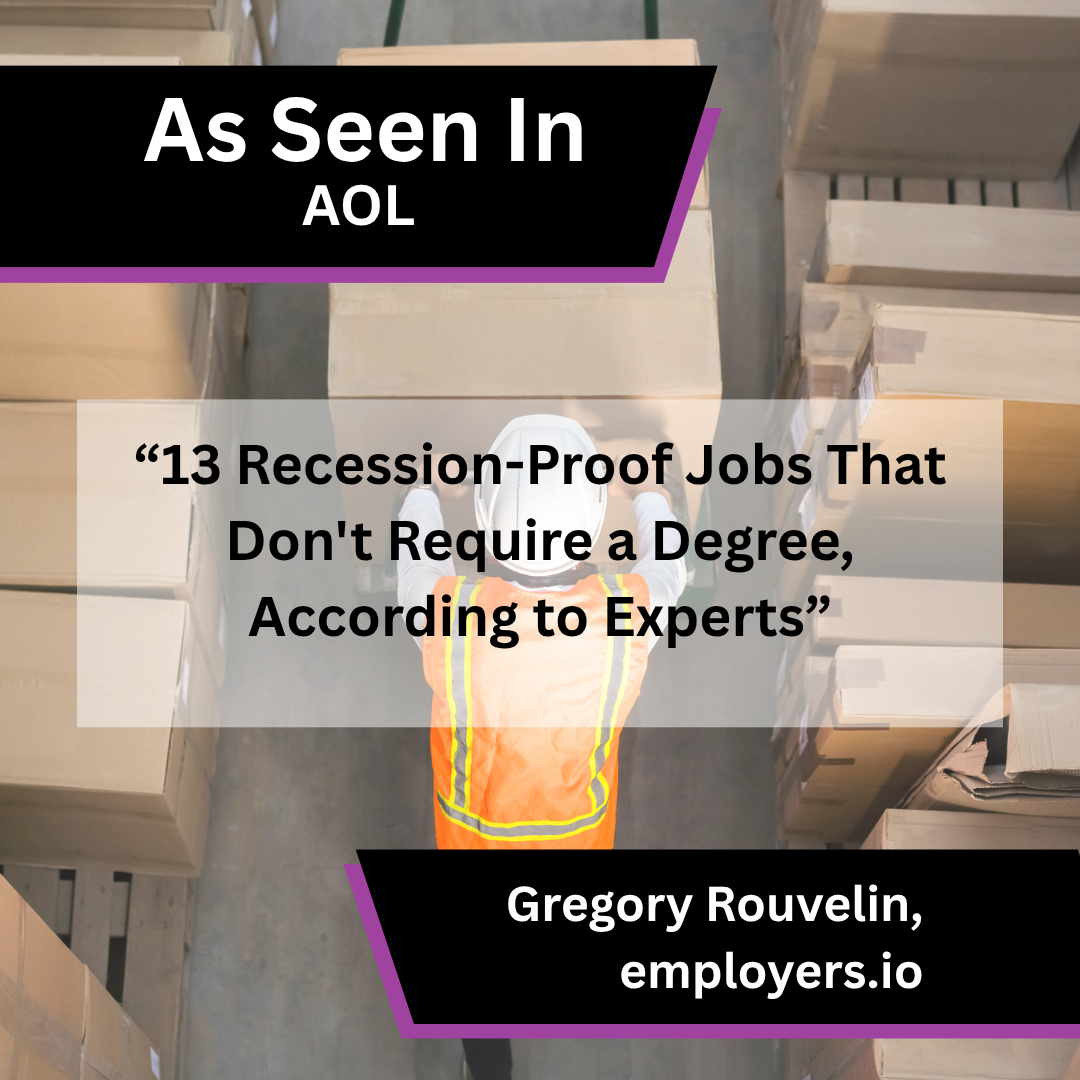
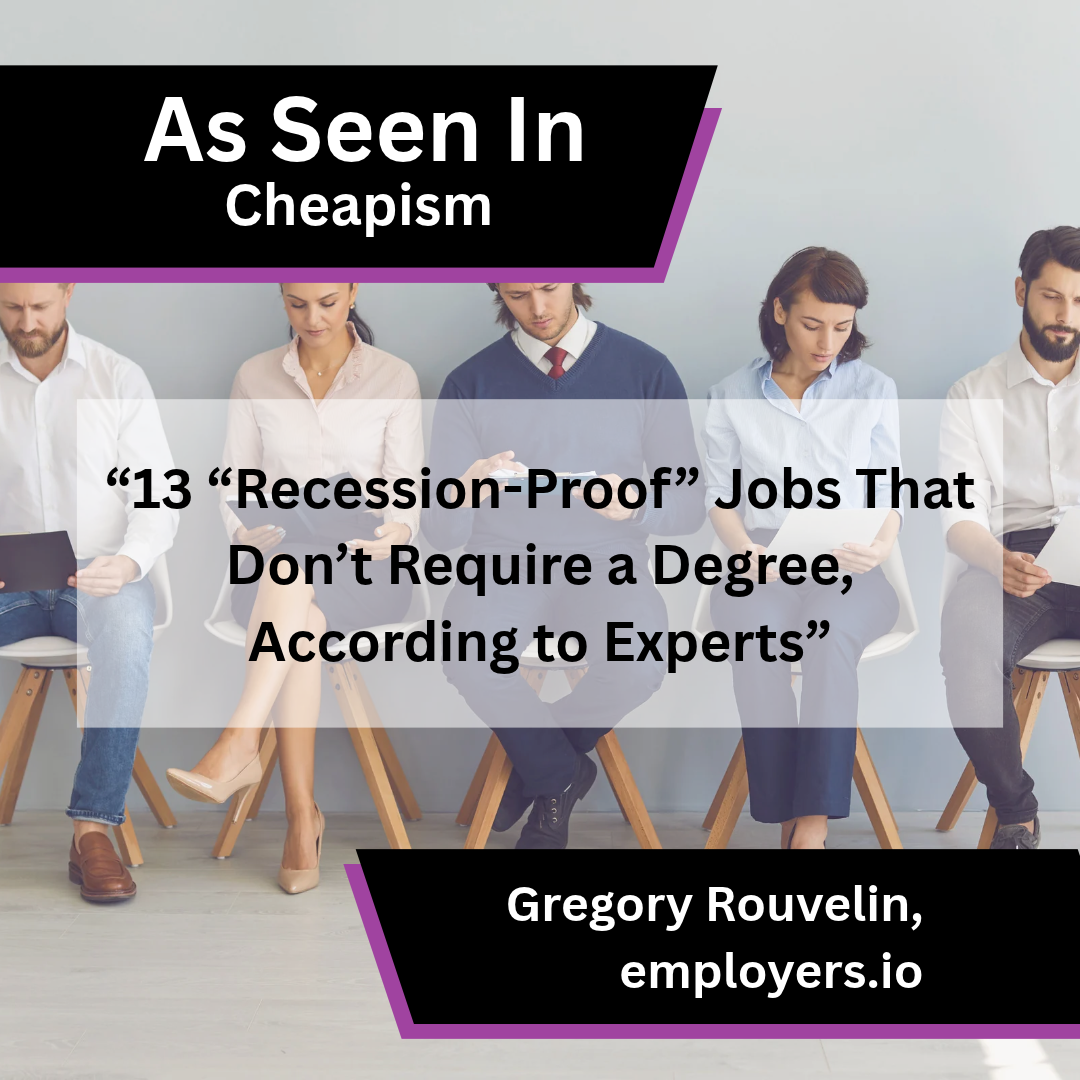
Two archive entries from August 2025 concern occupations described as recession-resistant that may not require a college degree. They are listed under AOL and Cheapism, with separate URLs. This is exactly the kind of everyday employment question that attracts a general audience: readers want to know what options may remain available if hiring slows, without assuming that a degree is the only route to a stable career.
There is an important qualification. No occupation is completely recession-proof, and job resilience differs by country, region, qualifications and individual employer. An expert contribution can explain patterns or practical routes into work, but it cannot guarantee employment or income. The articles should be reported as two published appearances of a related story, not proof of two unrelated exclusive pitches or individually verified forecasts.
For a recruitment business, this illustrates an editorial route where actual understanding of hiring matters. The discussion is relevant to readers making an immediate career decision. It does not require claiming employers.io placed a specific number of candidates through the coverage.
2. AI and the changing entry-level cybersecurity job market
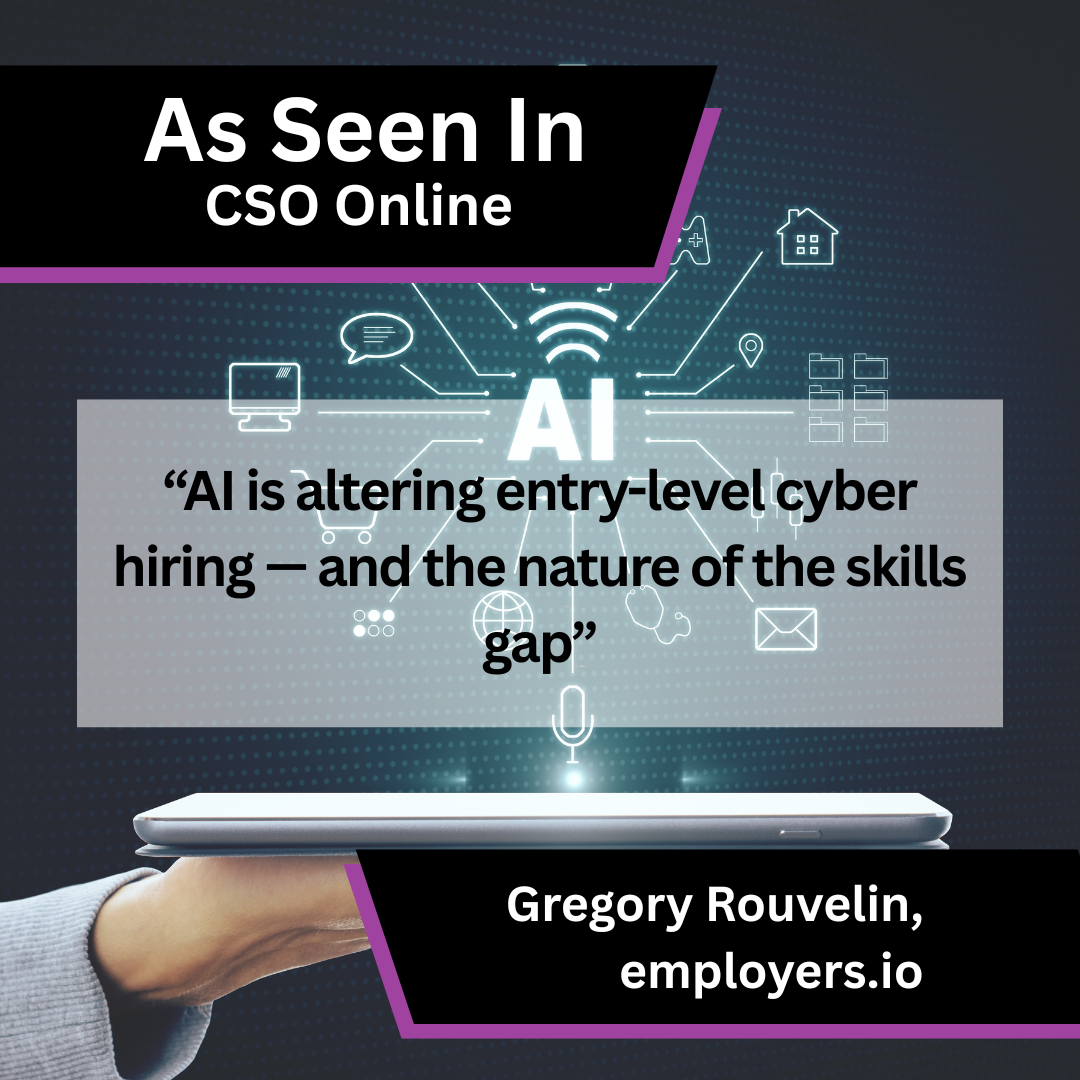
A September CSO Online article focused on how artificial intelligence was changing entry-level cybersecurity hiring and the distinction between skills employers now value and the training applicants have. This is a specialist professional media context, quite different from a broad audience piece on jobs without degrees.
Such a feature offers a hiring expert a chance to put technological change into perspective. The audience may include security leaders, technology managers and applicants considering a new field. Good commentary can distinguish technical skill, professional judgement and the responsibilities associated with an entry-level position. It must not imply that AI has eliminated all junior jobs or that a particular course guarantees employment.
The original source archive is a legitimate record of a published CSO article. Before site publication, the named speaker and exact quoted substance must be verified from the article or stored Image 1. The case study describes its topic and why it fits the client's broader area of expertise, not an invented prediction attributed to a specific executive.
3. Careers and professional networking in everyday language
People of Color in Tech covered how professionals can use their LinkedIn profiles to make meaningful contacts and improve their prospects. The archive connects this article to employers.io in October 2025. The reader problem is practical: how should a person describe their experience, find relevant professional communities and build relationships without reducing networking to indiscriminate connection requests?
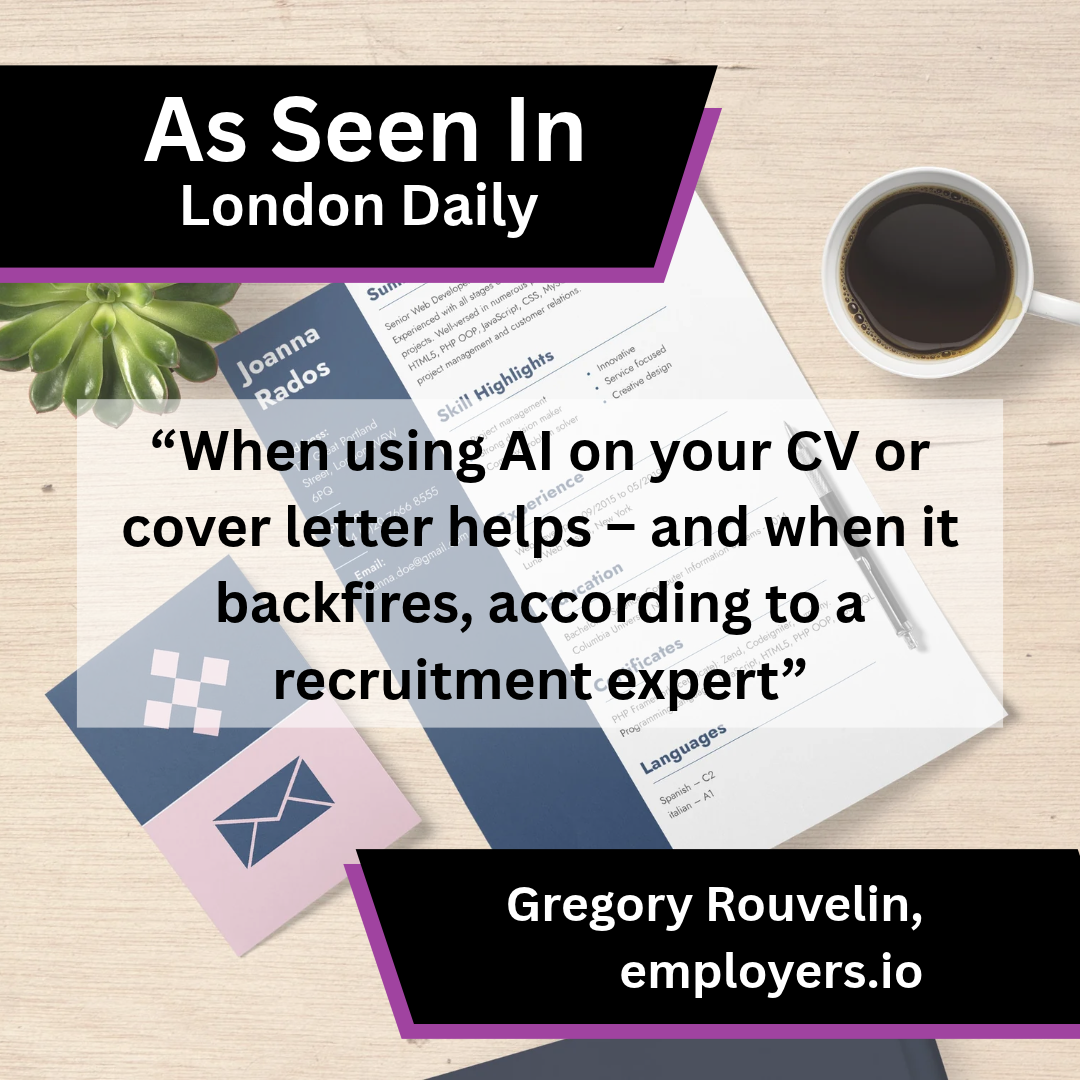
A separate London Daily News article asked when using AI to write a CV or cover letter might help and when it could backfire. That story touches on accuracy, consistency of voice, privacy and the danger of claiming skills or experience that an applicant does not possess. The article is directly relevant to a platform operating in recruitment and career opportunities.
These are distinct media questions. One is about networking and long-term relationships; the other is about representing qualifications truthfully in an application. The shared expertise is employment knowledge, not a generic promise that following one trick will secure an interview.
4. Career choices at different stages of working life
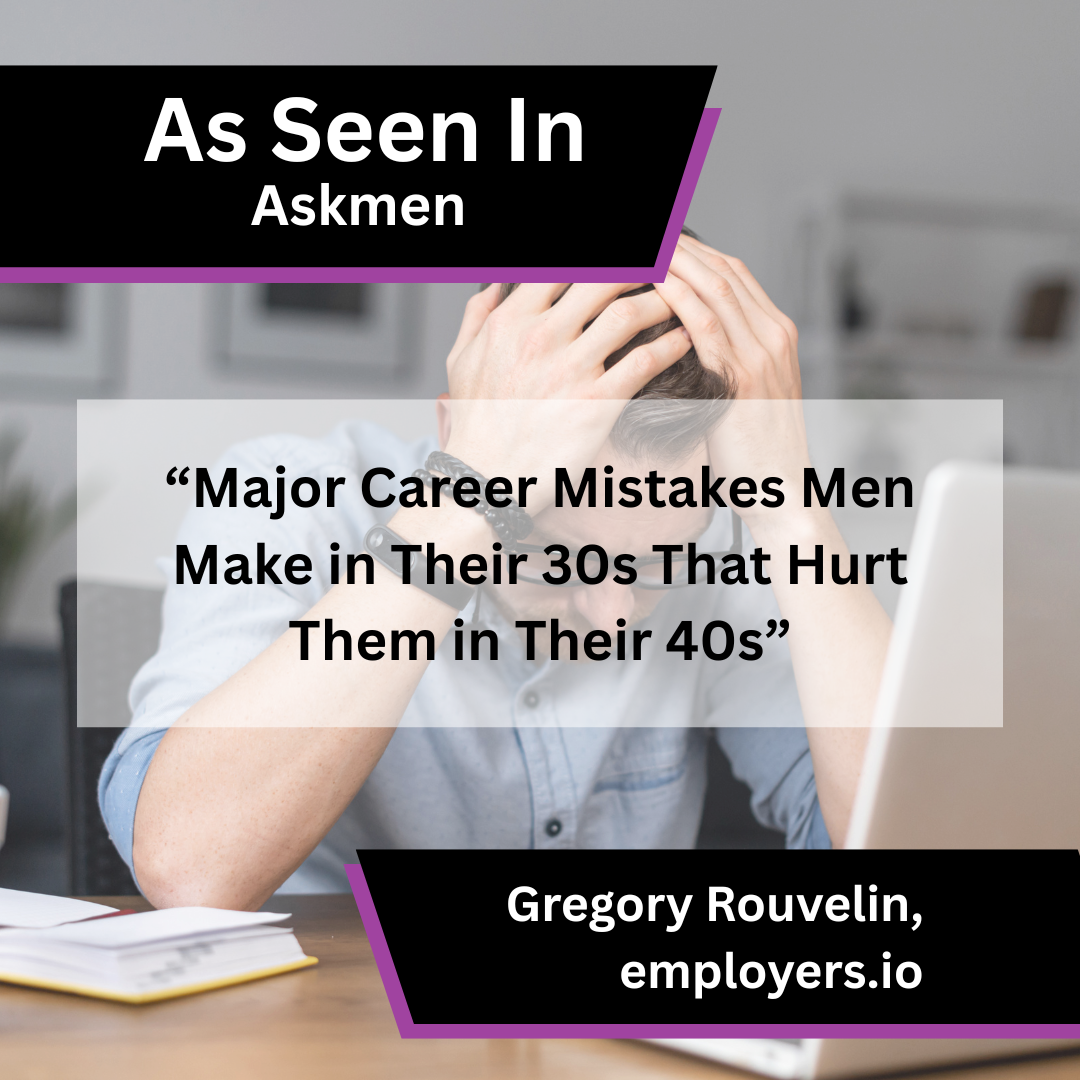
The archive includes an AskMen feature about career decisions in a person's thirties and how those decisions may affect opportunities in their forties. Its value comes from discussing long-term career development in an accessible way. There is room for expert advice about learning, maintaining contacts and recognising transferable skills, provided individual circumstances are not erased by sweeping claims about age or gender.
A January Kiplinger article looks at side gigs that could allow retired people to earn money while travelling. This reaches a different audience, including people thinking about flexibility, purpose and financial independence in later life. An employment platform's knowledge of the wider job market may be relevant, but the article should not be treated as personalised retirement, tax or investment advice.
Together, these articles suggest that career expertise may be useful across different stages of life. That is helpful to a business positioning itself as a source of practical labour-market insight, but the records do not prove that readers later registered on employers.io or that the company enjoyed measurable revenue growth.
5. Specialist and print coverage outside the obvious recruitment beat
This is adjacent to digital business rather than a core recruiting story. The exact person and their comment must be checked against the page and press image to establish a genuine client contribution before claiming a verified expert quote.
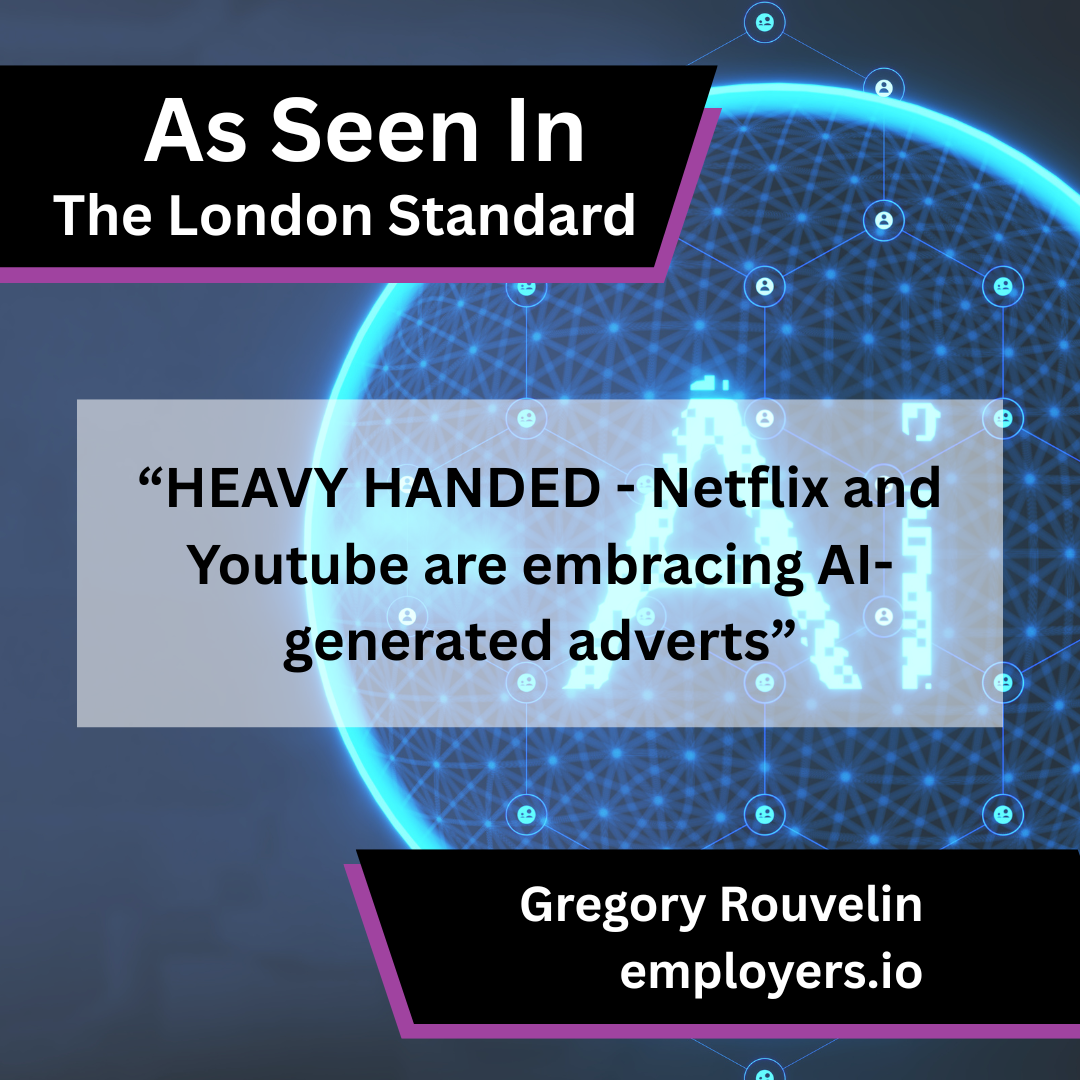
The Standard entry describes a print article about the use of AI to ensure streaming adverts are seen. The board saves a Google Drive document as its source and a separate Image 1 press proof; it does not supply an independent live article URL. A screenshot or copy of print coverage may still be legitimate press evidence, but should be displayed accurately as a print item without a fabricated publisher click-through. Its precise attribution to employers.io must be checked because the subject is further from recruitment than the other sources.
Including these records transparently is better than silently inventing how they relate to the campaign or excluding them solely because their format is unusual. A complete historical table can preserve the published record while the narrative places more weight on clearly relevant employment examples.
The recorded outcome and its limits
Across the supplied client-filtered Published Press view there are nine distinct media records associated with nine publisher labels, including eight public article URLs and one separately archived print item. The AOL and Cheapism entries concern the same recession-proof jobs topic, so the nine appearances are not nine independent story concepts. Two of the nine original rows have no Image 1 link at present; they require normal evidence-image sourcing before all eligible items can appear in the public gallery.
The confirmed PR service term is four months. The archived source dates run from August 2025 to January 2026 and cannot establish the exact contractual start and end dates. The board's 'with a backlink' labels are historical administrative classifications, not a present-day audit confirming each link remains live and attributable.
These examples demonstrate the range of editorial discussions relevant to recruitment and career expertise: job security, technology-driven skills change, professional presentation, life-stage choices and selected adjacent business subjects. The data do not demonstrate increases in website traffic, employer registrations, recruitment placements, sales or conversions. A reliable case study should make the media results useful without inventing downstream business effects.
Published media coverage
| Publication | Archive date | Article or print item |
|---|---|---|
| AOL | 2025-08-04 | Recession-proof jobs without a college degree |
| Cheapism | 2025-08-04 | Recession-proof jobs without a college degree |
| The Standard | 2025-09-09 | Artificial intelligence and how streaming platforms ensure advert viewing (print, archived source; no verified public article URL) |
| CSO Online | 2025-09-18 | AI is altering entry-level cybersecurity hiring and the skills gap |
| People of Color in Tech (POCIT) | 2025-10-01 | Using a LinkedIn profile to make connections and advance professionally |
| London Daily News | 2025-10-03 | When using AI on your CV or cover letter helps, and when it backfires |
| BoostMyDomain | 2025-10-06 | Landing-page writing and conversion tips |
| AskMen | 2025-12-12 | Career mistakes men make in their thirties that can affect later careers |
| Kiplinger | 2026-01-25 | Side gigs that let retirees travel |
Images from the coverage



Campaign details
| Result | Details |
|---|---|
| Client | employers.io jobs and employment platform |
| Confirmed PR engagement | Four months; exact contractual dates unavailable |
| Media records | Nine: eight linked articles and one archived print item |
| Publisher brands | Nine recorded outlet names; AOL and Cheapism share a related story |
| Historical dates | 4 August 2025 to 25 January 2026, longer than the four-month engagement |
| Image assets | Seven recorded Image 1 links; Cheapism and London Daily News lack original images |
| Editorial themes | Employment security, AI and cybersecurity hiring, LinkedIn, CVs and life-stage career advice |
| No measured outcomes | No verified registrations, placements, sales, traffic uplift or current backlinks |
Frequently asked questions
How long was the employers.io PR engagement?
Four months, as confirmed by the account owner. The historical records span August 2025 to January 2026, a longer period, so they are kept separate.
How many media appearances are recorded?
Nine source entries, including eight publicly linked article records and one saved print source. AOL and Cheapism appear to carry the same underlying recession-proof jobs story.
Which media topics were most relevant to the client?
Employment opportunities, cybersecurity hiring, LinkedIn networking, AI-assisted applications, career development and work in retirement. Two adjacent technology/marketing records need exact attribution checks.
Did the articles prove employers.io secured new registrations or hires?
No. The supplied records document media appearances; no verified attributed website registrations, sales, employer sign-ups or job placements are provided.
Discuss recruitment and career-focused PR
Employers and employment platforms have the potential to help journalists understand recruitment shifts, practical jobseeker decisions and emerging workplace technology. The most successful contributions are grounded in genuine experience and accurately explained, not general claims of expertise.
Explore Fair PR's HR & Recruitment PR, Recruitment Agencies PR and Expert PR.
