

CAPEforHealth | 3-month historic expert-led PR case study
10 verified source records through specialist commentary
Healthcare media work depends on expertise that readers and journalists can trust. In a short specialist campaign, relevant opportunities can appear across familiar everyday experiences, relationship questions and major news events. CAPEforHealth's historical coverage demonstrates how diverse those questions can become while remaining anchored in credible psychological or psychiatric commentary.
The client
CAPEforHealth appears in the original 2023 published-press archive as the client associated with mental-health and psychiatry topics. The recorded editorial themes span sound sensitivity, attraction and relationships, royal-family pressures and intimacy in schizophrenia. We do not infer an individual clinician's name, exact credentials or specific treatments from the company name alone.
The editorial opportunity
Build credible mainstream visibility around mental-health expertise where there is a genuine journalist requirement for explanation or context. The records support the subjects and publications that carried the contributions, but not a separately documented briefing on bookings or patient acquisition.
The approach
The editorial opportunity was to make specialist subject matter intelligible to very different audiences, without sensationalising psychiatric conditions or treating a clinician's view as a diagnosis of a public individual. Careful topic selection matters: explaining why particular sounds cause distress demands a different response from discussing schizophrenia and relationships, while royal coverage requires especially careful boundaries around speculation.
Chewing sounds and everyday distress
Metro's April 2023 article on why some people react strongly to the sound of chewing represents a common experience translated into accessible psychological explanation. A useful contributor can discuss mechanisms and sensitivities without diagnosing a reader.
This example matters because an expert's contribution has to address a reader's actual question. A journalist-led PR approach starts with the publication's intended audience, checks what can be evidenced and treats inclusion as an editorial decision, rather than a guaranteed placement.
Attraction and relationships
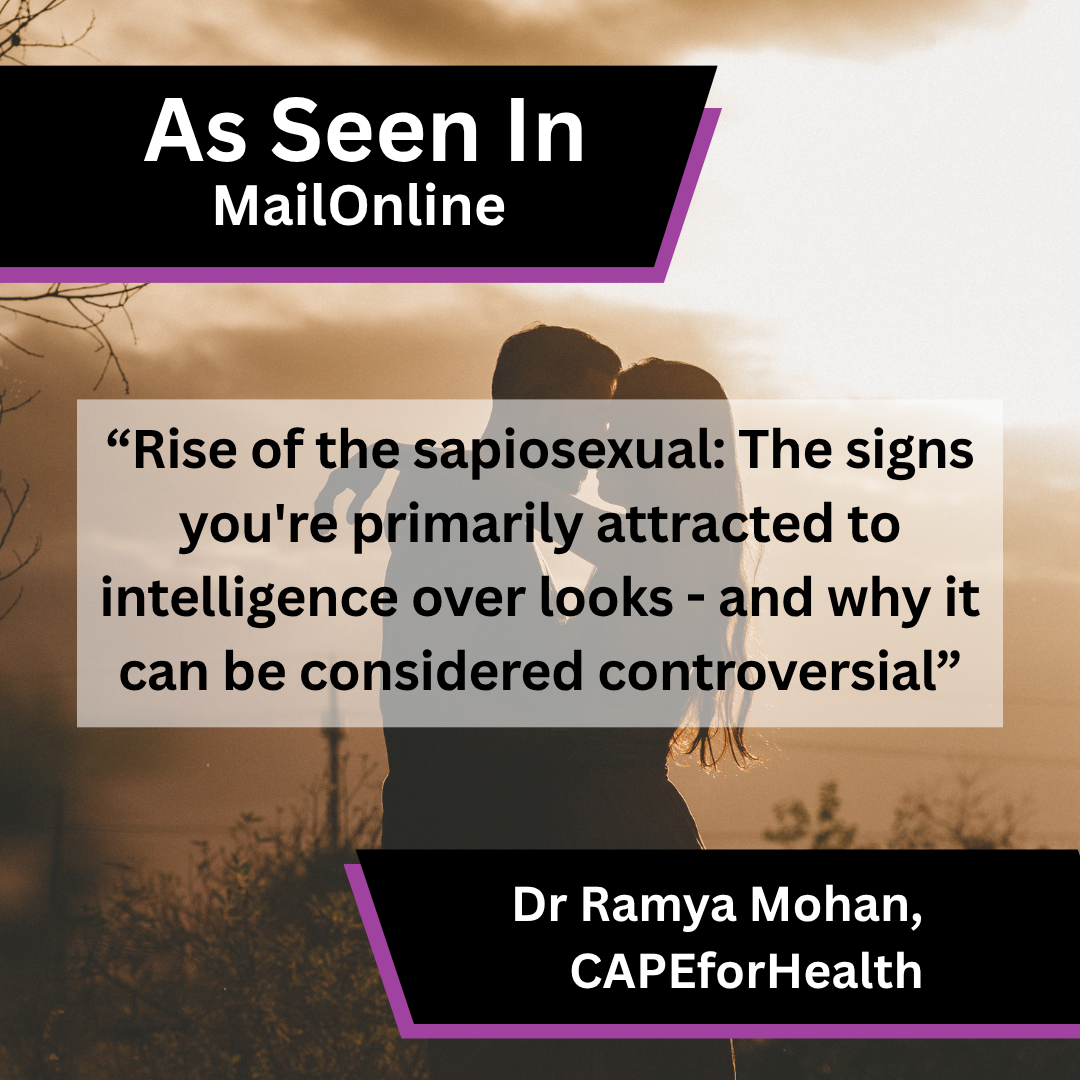
MailOnline's sapiosexuality feature showed demand for expert perspectives on how people think about attraction. The article is relationship journalism, not evidence of clinical efficacy or universal psychological traits.
This example matters because an expert's contribution has to address a reader's actual question. A journalist-led PR approach starts with the publication's intended audience, checks what can be evidenced and treats inclusion as an editorial decision, rather than a guaranteed placement.
Coronation and royal pressures
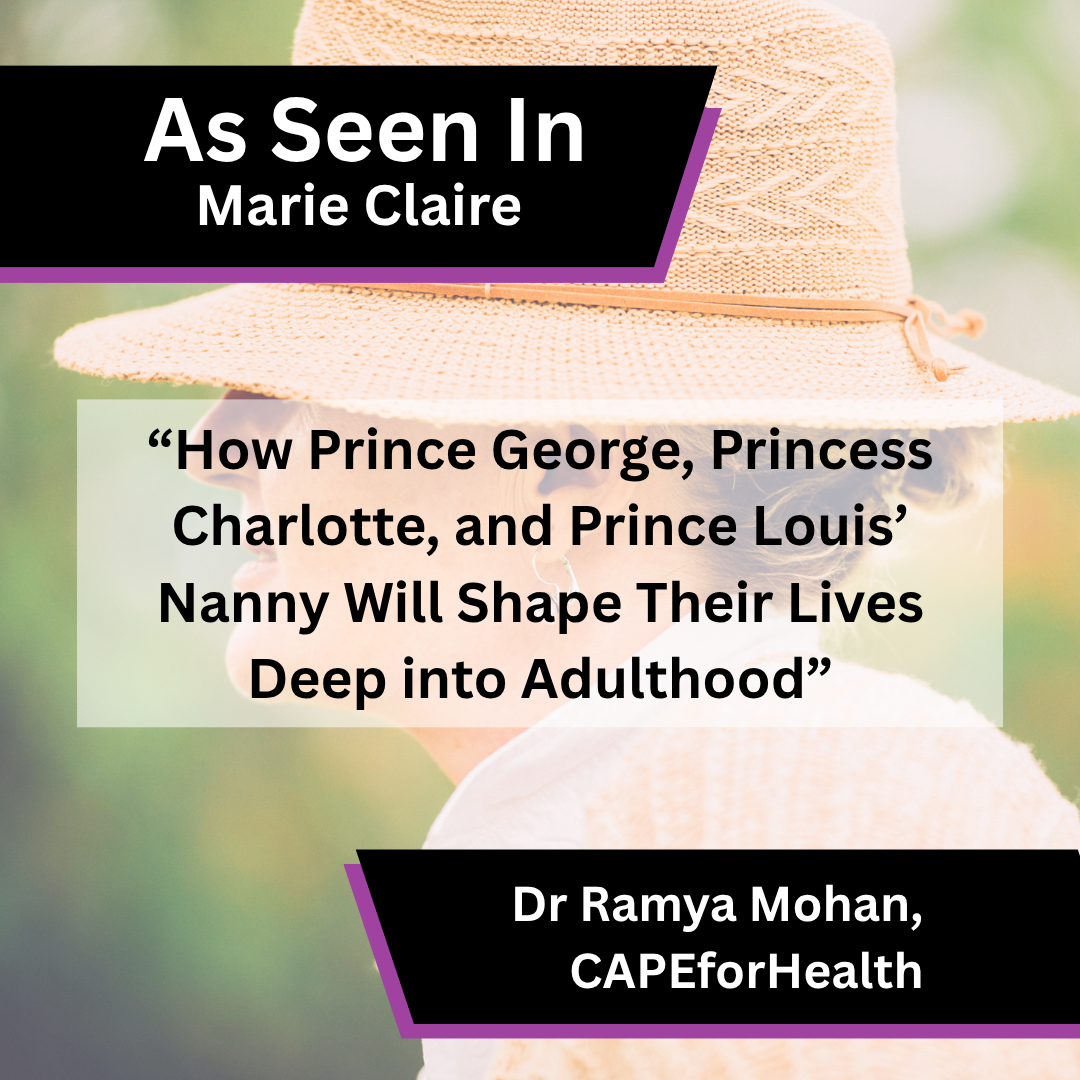
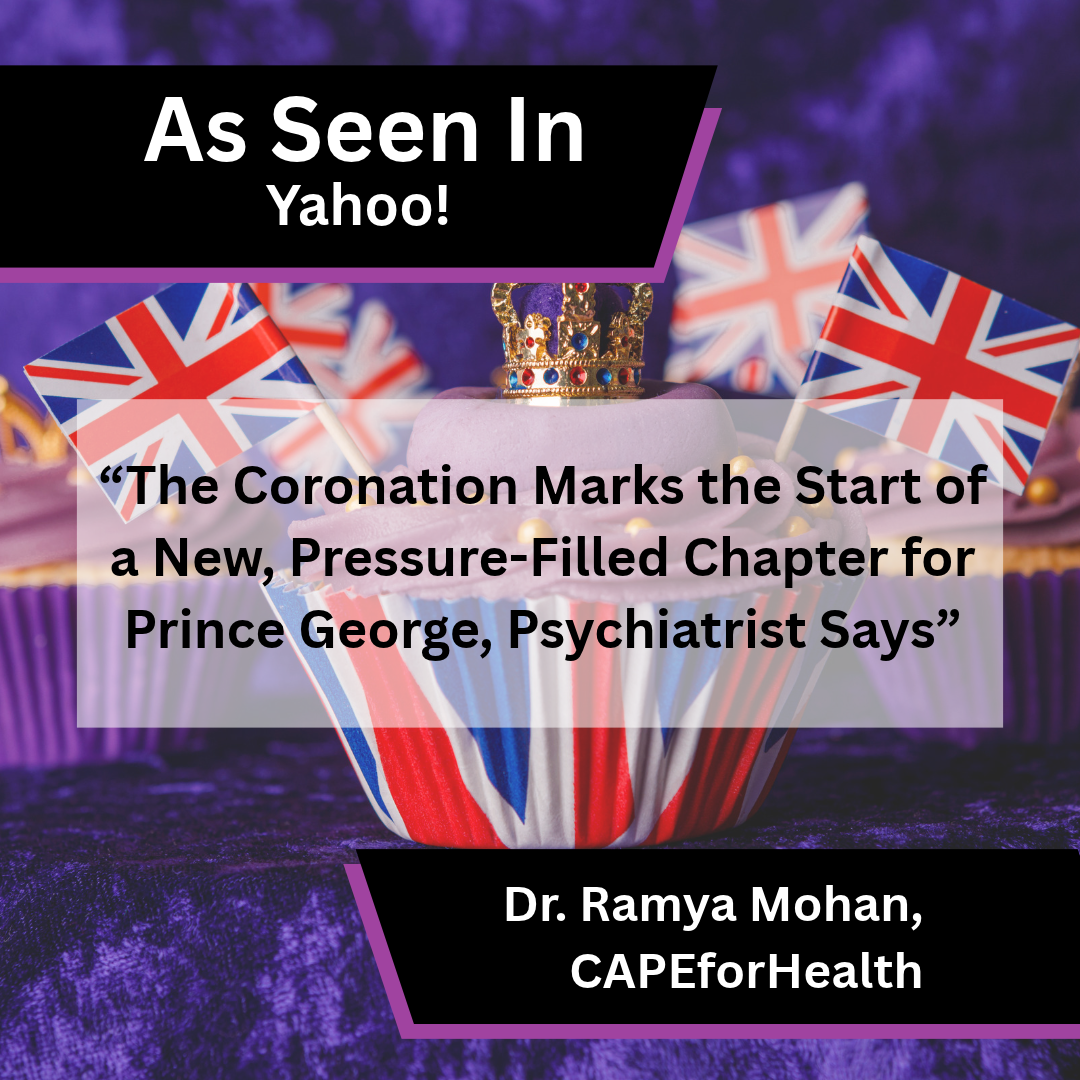
Marie Claire's article on Prince George and Daily Express coverage arose around the coronation. A Yahoo reprint of the Marie Claire story is also recorded. Describing potential pressures on royal children must not be presented as a clinical assessment of named minors.
This example matters because an expert's contribution has to address a reader's actual question. A journalist-led PR approach starts with the publication's intended audience, checks what can be evidenced and treats inclusion as an editorial decision, rather than a guaranteed placement.
Schizophrenia and intimacy
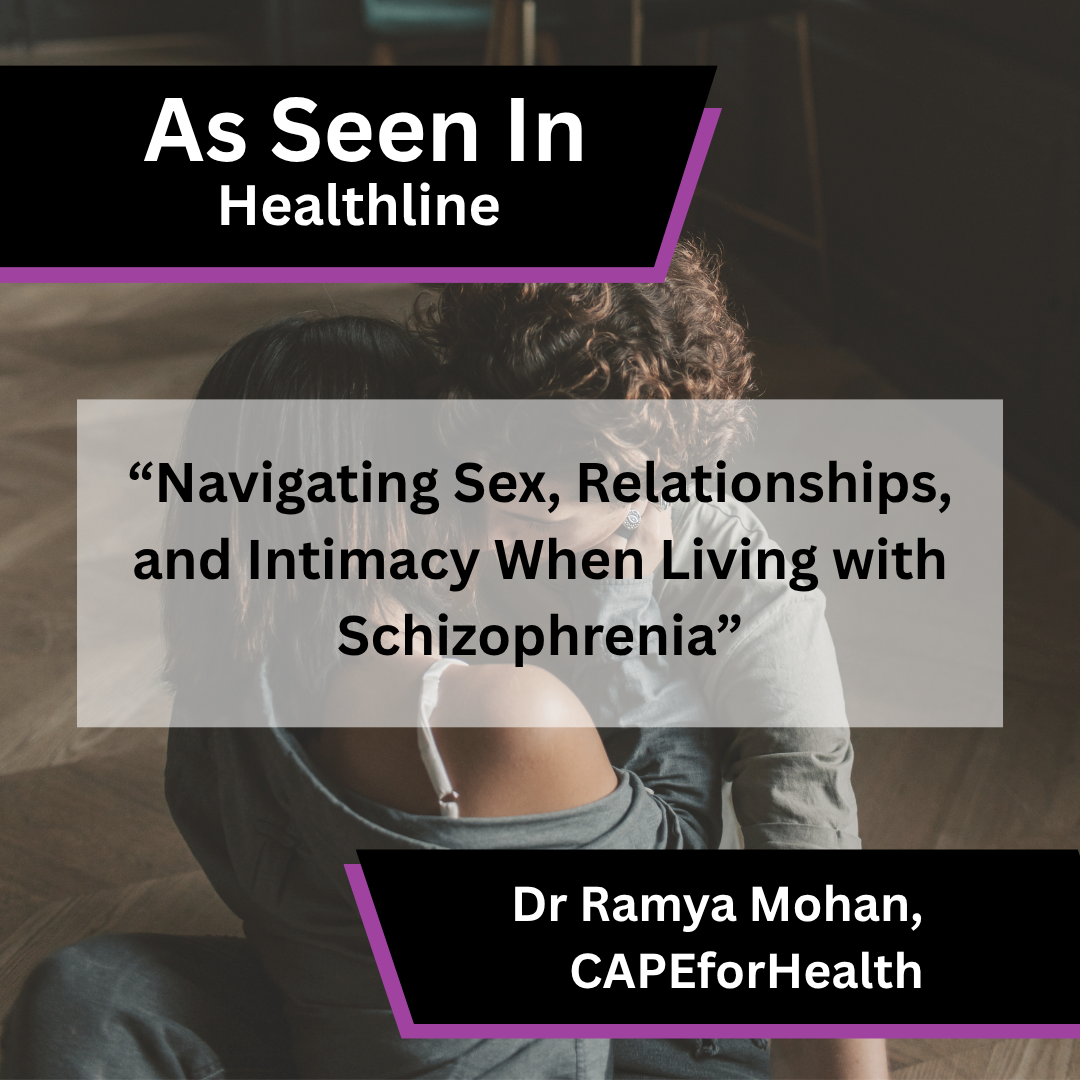
Healthline's article about sex, relationships and intimacy when living with schizophrenia is the clearest direct medical/mental-health feature in this archive. The published subject needs nuance, dignity and evidence-based language, not stigma or blanket assumptions.
This example matters because an expert's contribution has to address a reader's actual question. A journalist-led PR approach starts with the publication's intended audience, checks what can be evidenced and treats inclusion as an editorial decision, rather than a guaranteed placement.
The role of a royal nanny
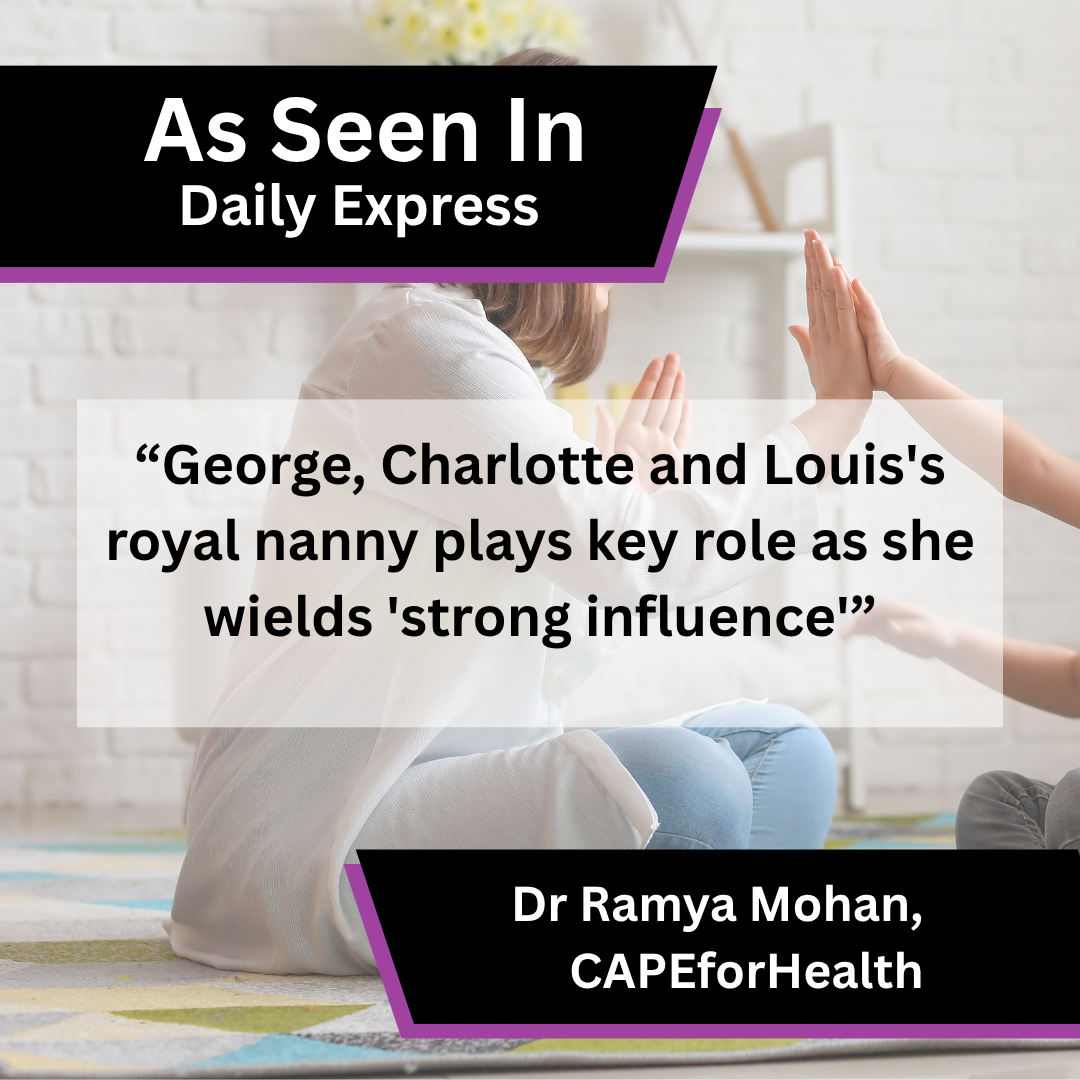
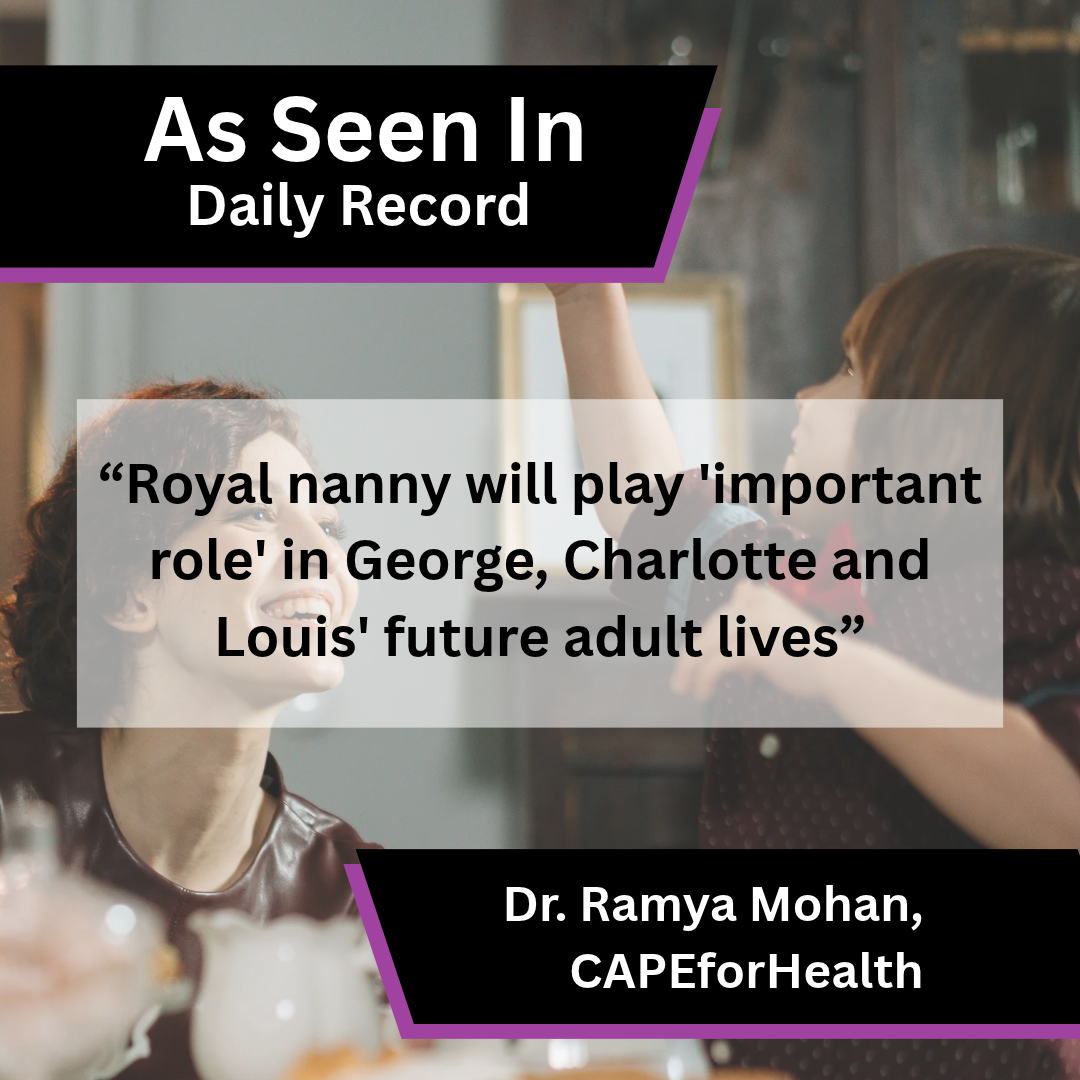
Marie Claire, Mirror, Daily Record and Daily Express recorded related coverage in June 2023 about the influence of the children's nanny. These are distinct listed outlets and URLs, but overlapping coverage themes rather than four wholly independent new campaign concepts.
This example matters because an expert's contribution has to address a reader's actual question. A journalist-led PR approach starts with the publication's intended audience, checks what can be evidenced and treats inclusion as an editorial decision, rather than a guaranteed placement.
The documented results
The original archive records 10 client-named publication entries dated 2023-04-21 to 2023-06-11, across 8 publication names as entered by the team. It’s a 3-month client engagement. The archive spans are not independently verified contract windows, so these results should not be labelled as 10 unique articles won within precisely 3 months. Reprints and related stories are identified in the discussion above.
These are historical records. An editorial website may later update or remove an article, change its headline or replace the page. The existence of a source record is not proof of an enduring live backlink. We have not attributed unrecorded increases in leads, rankings, revenue or enquiries to this work.
The broader lesson
For a business in mental health and psychiatry expert pr, effective earned-media work can focus on the timely questions its people are qualified to explain. Different titles need different levels of detail and evidence, and a contribution should be useful without turning it into an advertisement. The published record demonstrates the range of those possibilities, not a forecast or guarantee for another campaign.
Published coverage results
Images from the coverage
Campaign details
| Result | Details |
|---|---|
| Client | CAPEforHealth |
| Contracted engagement | 3 months (owner-confirmed) |
| Historical source records | 10 distinct PubPB rows, not necessarily distinct independent story angles |
| Recorded historical publication dates | 2023-04-21 to 2023-06-11 |
| Published media sources | Metro, MailOnline, Marie Claire, Yahoo, Daily Express, Healthline, Mirror, Daily Record |
| What is not verified | Business growth, sales, backlinks, rankings, exact contract dates or all results inside contracted period |
Frequently asked questions
Did CAPEforHealth have ten coverage records in three months?
The source board lists ten historical publication URLs dated April to June 2023, and it’s a three-month engagement. That combination does not independently establish exact contracted start and end dates.
Were all the stories about psychiatric treatment?
No. The archive covers psychology, relationships, public-interest health information and commentary around media events. It would be inaccurate to label every feature clinical treatment advice.
Can a psychiatrist comment on celebrities or children?
Professionals may discuss general issues relevant to a news story, but must avoid portraying conjecture about an identifiable person's mental health as an actual diagnosis or clinical finding.
Do ten publication URLs prove ten unique news angles?
No. Several outlets published overlapping coronation or nanny themes, and at least one is a syndicated version of another article. The complete archive lists each genuine publication transparently.
Work with a journalist-led PR team
Fair PR helps founders, businesses and genuine specialists develop credible commentary and other editorial opportunities.
Explore Standard PR and Expert PR or contact us at Contact Fair PR.
