
BOSSFACE | Three-month beauty and skincare PR
Skincare Expertise and skincare brand featured in consumer beauty coverage
Skincare is both a consumer product category and a field in which readers seek specialist advice. Someone trying to understand rosacea, choose suitable routines or learn more about a treatment needs clear information, while lifestyle journalists want accessible explanations that do not exaggerate the evidence.
BOSSFACE is a skincare brand founded by Ashley Wady, a UK skin specialist and entrepreneur with experience in professional skincare and product development. The historical press archive for BOSSFACE includes mainstream lifestyle pieces, beauty advice and printed features in which the brand or Ashley's expertise was recorded.
It’s a three-month PR engagement. The complete archive contains eight publication records dated from October 2021 to May 2022, spanning more than the confirmed engagement term. Those are all retained as historical evidence rather than being incorrectly described as eight articles produced during the precise three months.
The editorial challenge: credibility in a crowded beauty market
The beauty media receives large numbers of product pitches, treatment launches and skincare claims. An editor serving readers needs a reason to feature something other than an advertisement. The source might be an ingredient, a recognisable concern, a practical routine or an experienced specialist able to explain an issue without promising a medical outcome.
For a founder-led skincare brand, this creates two distinct opportunities. Products may be relevant to consumer comparisons, and the founder may contribute insights from professional experience. The articles below show how BOSSFACE and Ashley appeared in those contexts.
The strongest public-facing story is not that a particular cosmetic product can treat every skin problem. It is that recognised outlets found beauty-related subjects relevant and recorded the brand or its founder as part of their editorial work.
Daily Express: high-profile skincare interests
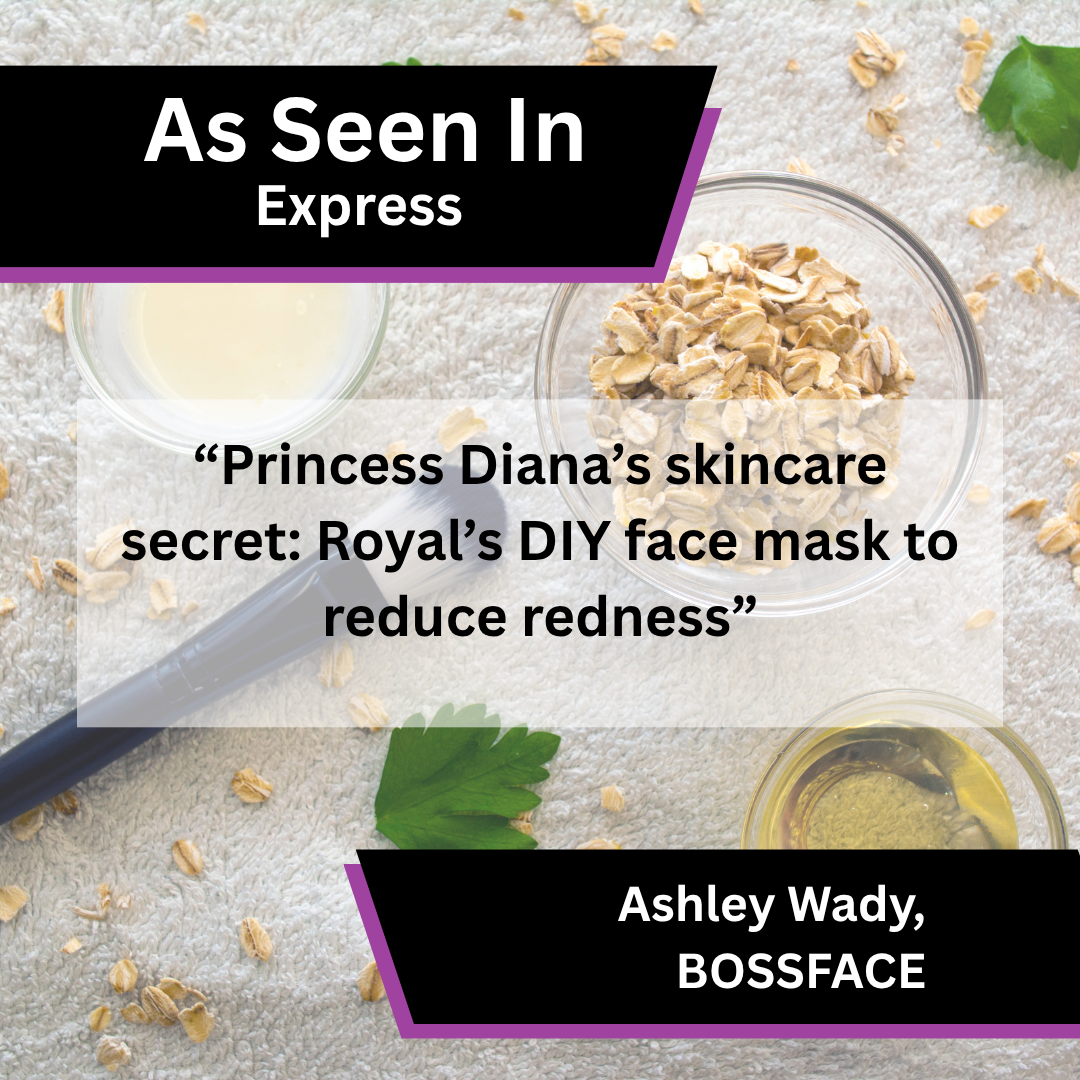
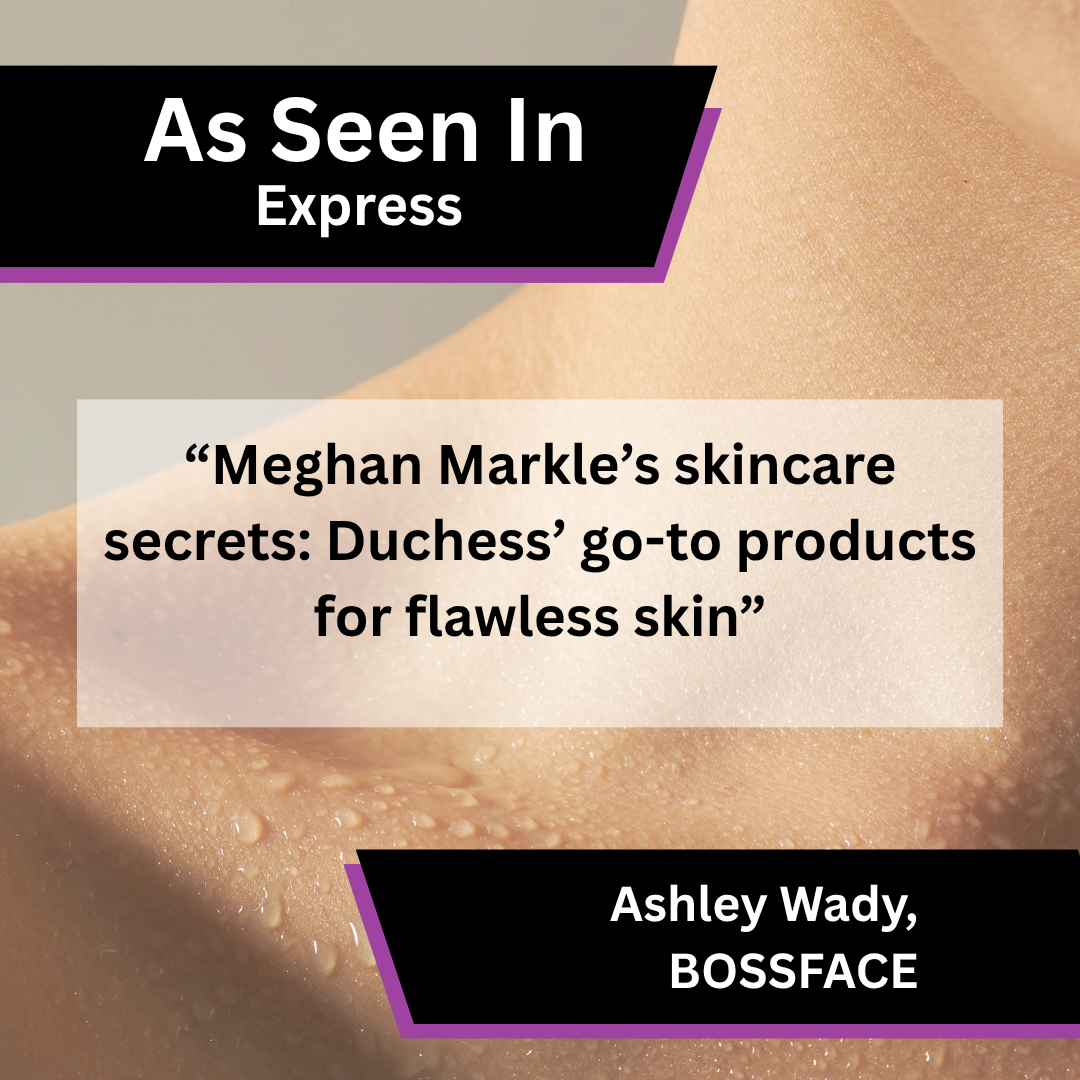
Two October and November 2021 Daily Express articles considered skincare and beauty routines connected to public figures. One covered products associated with Meghan Markle. The other discussed Princess Diana's skincare habits, including a DIY face mask and references to sensitive skin.
The historic records attribute BOSSFACE to these features. The public figures were editorial subjects, not documented clients or endorsers of the brand. It would be misleading to claim Meghan Markle or Princess Diana used BOSSFACE products merely because the company appeared in an article discussing their routines.
The relevant PR lesson is that a consumer beauty story may provide a context for professional advice or product discussion. The outlet's framing matters, and any cosmetic claim still needs evidence.
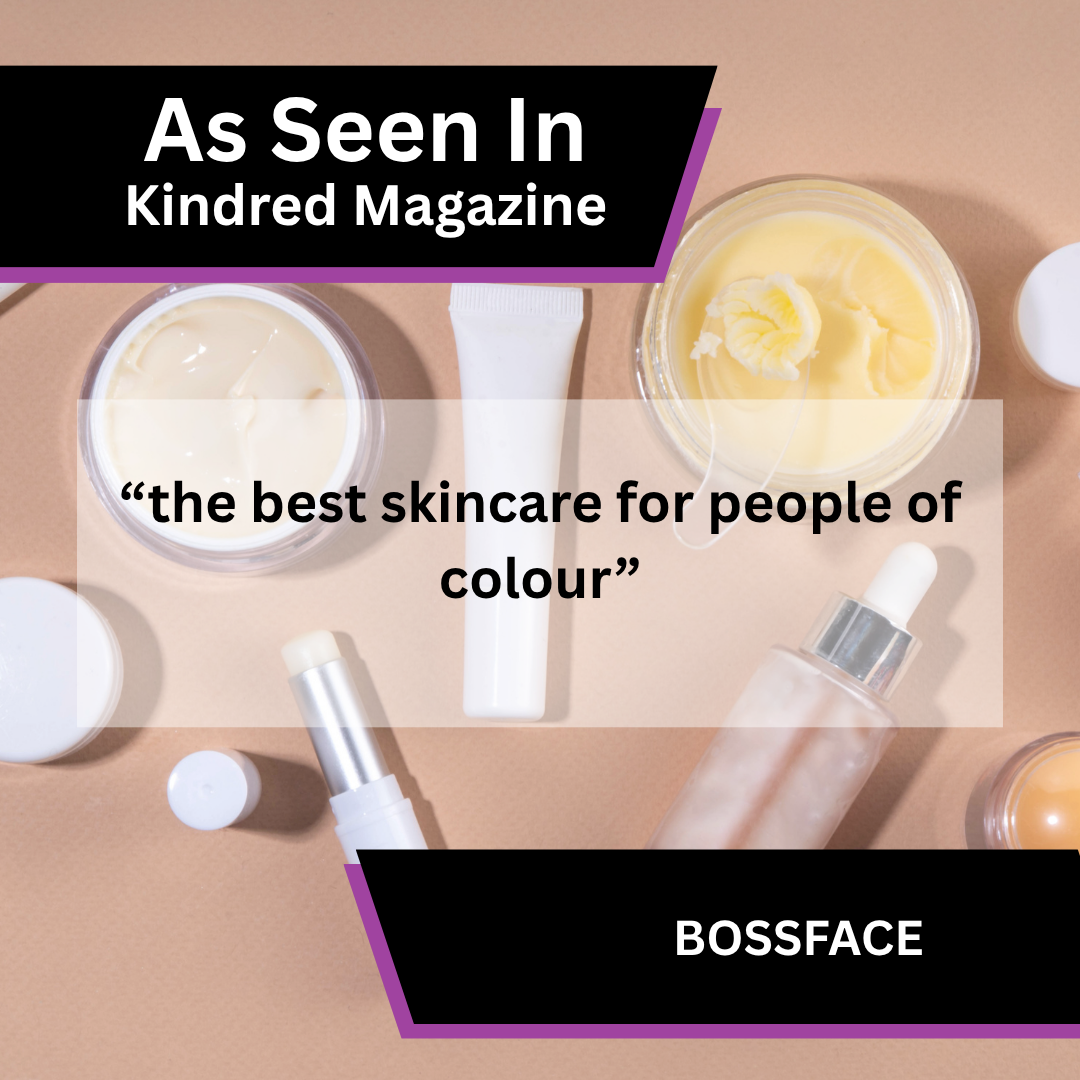
Kindred Magazine: skincare for people of colour
Kindred Magazine recorded an article about skincare for people of colour. This was a different editorial subject from a celebrity routine. It concerned the needs and experiences of particular readers, where overly generalised recommendations can be unhelpful.
A responsible specialist can explain differences in common concerns, the importance of individual assessment and why products may suit different circumstances. The article is recorded as historical brand coverage; it does not demonstrate that one product solves every problem or that consumers with similar skin tones all have identical skincare needs.
For a skincare business, the fit between expertise and a publication's actual reader question is a far more meaningful basis for an editorial contribution than a generic sales pitch.
Daily Star: gym routines and practical beauty advice
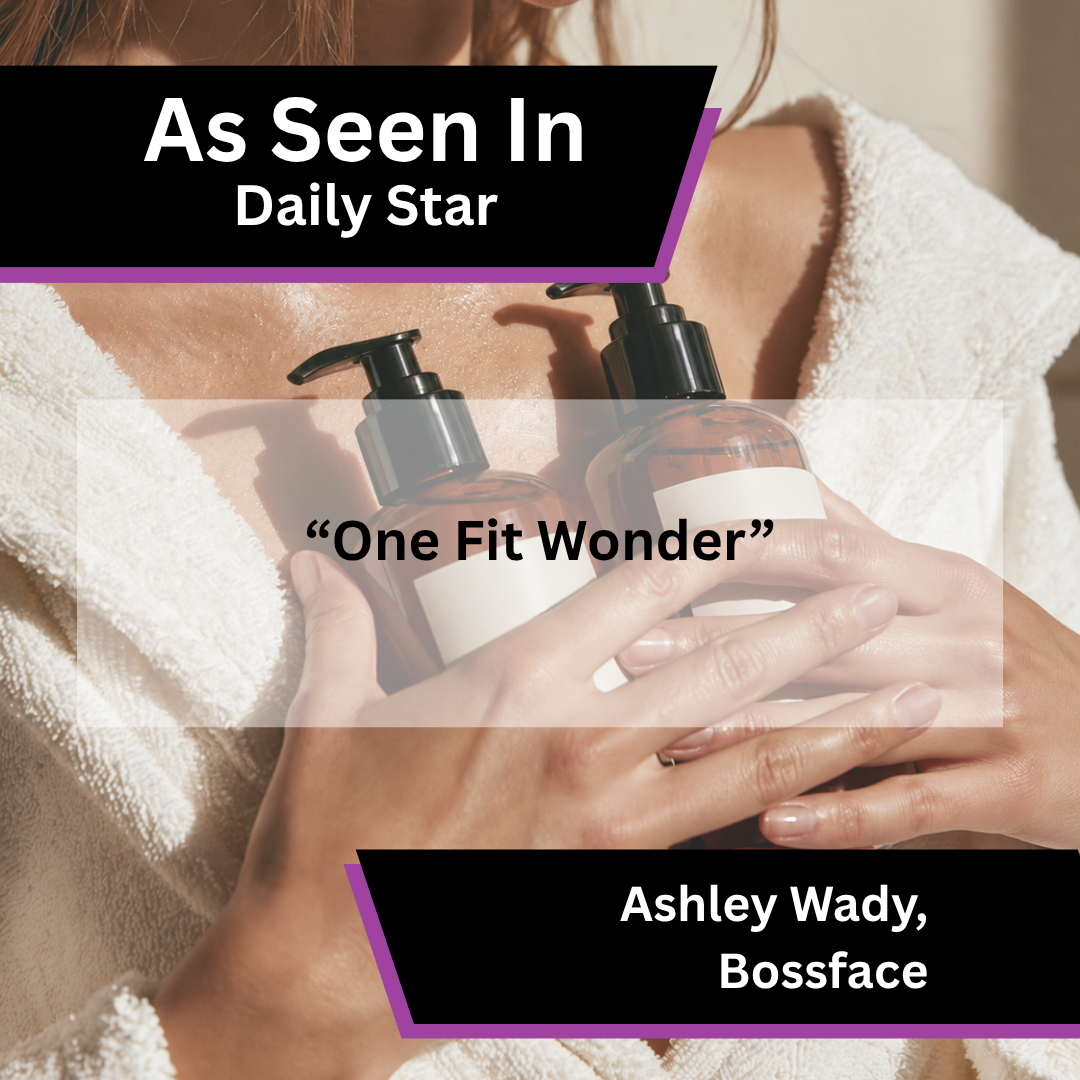
A printed Daily Star feature titled 'One Fit Wonder' was recorded in February 2022, relating to post-gym skin. The archive has a historic press-image link but no original web article URL.
Exercise and skincare can intersect when readers wonder how to manage sweat, cleansing and their everyday routine. Such a feature gives a specialist an opportunity to discuss practical habits in a relatable setting. It also demonstrates why print proof should be treated differently from an online article: there may be a real original published clipping without a current clickable page.
The record names Ashley Wady as the subject. It does not contain evidence of measured product sales or a celebrity partnership, and no such results are inferred.
Metro: rosacea, dermaplaning and sun exposure
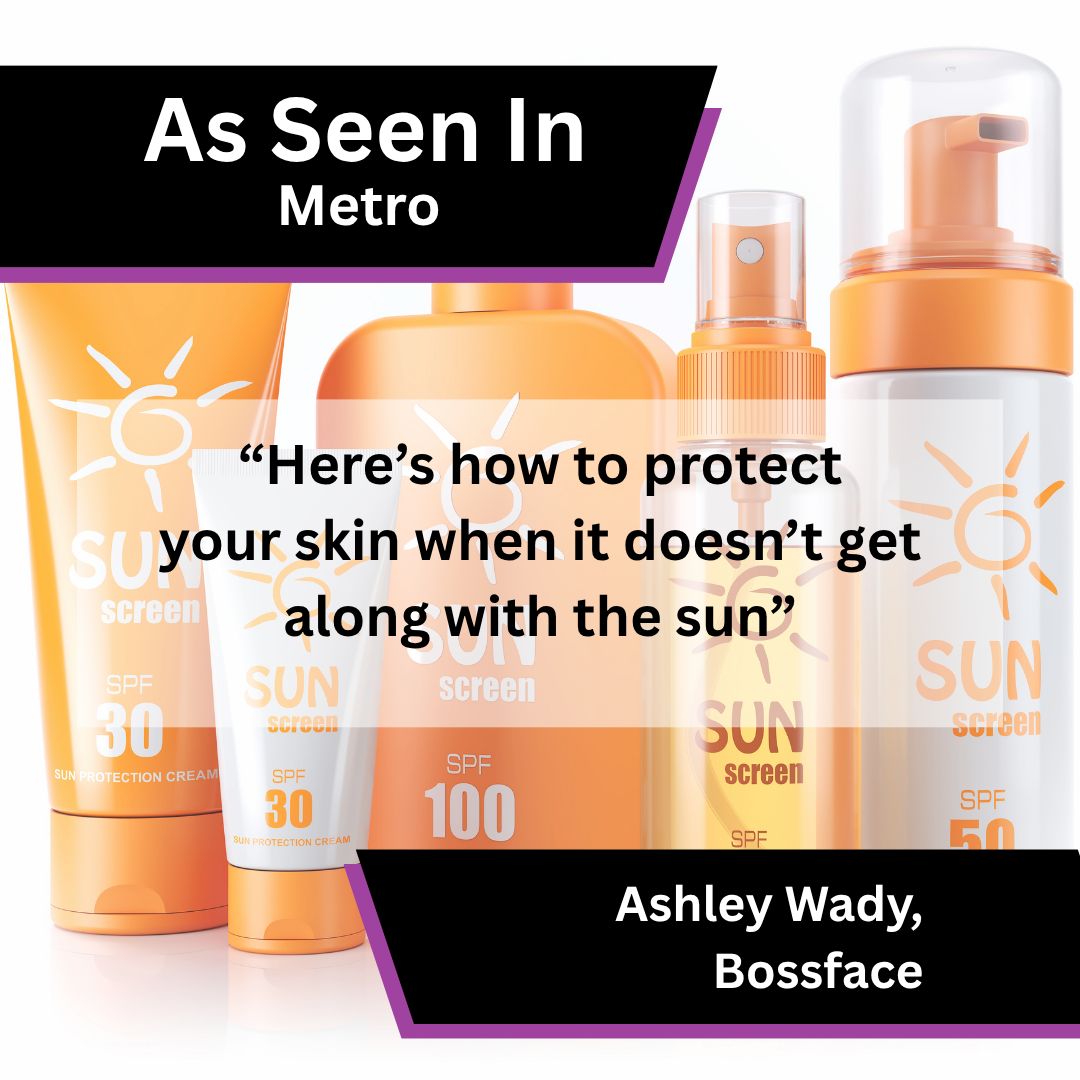
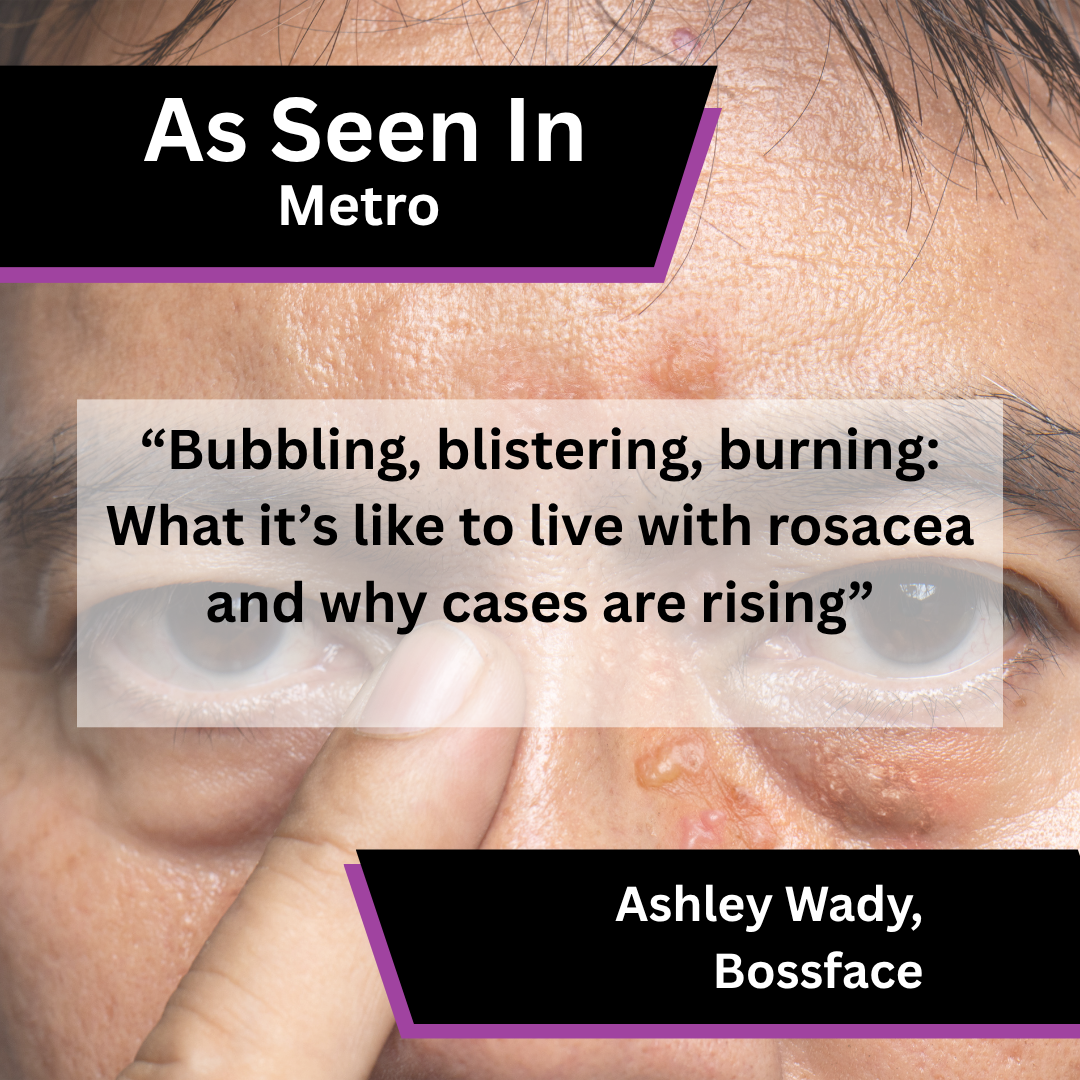
Three separate Metro records from March 2022 provide the clearest group of skin-concern and treatment-related expertise. One feature examined experiences of rosacea. Another asked whether dermaplaning causes hair to grow back thicker. A third discussed protecting skin that reacts poorly to the sun.
These three articles overlap around skincare but answer different reader concerns. One involves a long-term skin condition; one explores a cosmetic procedure; one considers everyday sun exposure. That breadth helps illustrate how professional skincare experience can be relevant to multiple article categories.
A case study must take care with each. Rosacea management may require individual medical advice, dermaplaning does not work the same for everyone, and sun protection should follow recognised guidance. Media coverage is proof of publication, not clinical verification of a brand's effectiveness.
Women's Magazine: further print beauty coverage
The eighth historical record is a May 2022 printed Women's Magazine article about rejuvenating skin. The original item has no article web URL and no currently stored press-image link. It is nevertheless a separate recorded publication source and belongs in the full historical results table.
The record again names Ashley Wady and illustrates the wider consumer-interest setting in which the brand's skincare expertise appeared.
What the press history demonstrates
Across the wider archive there are eight recorded placements or printed features covering several beauty concerns and reader interests. The record includes two Daily Express pieces, one Kindred Magazine article, one Daily Star print item, three Metro articles and one Women's Magazine print entry.
The public evidence shows editorial presence, not a quantified improvement in awareness, skincare outcomes, website traffic, backlinks, revenue or retailer distribution. Those business results need their own records. The usefulness of this case is its illustration of skincare expert positioning across different editorial questions and types of media.
Published coverage results
| Publication | Date | Article / topic |
|---|---|---|
| Express.co.uk | 2021-10-30 | Meghan Markle’s skincare secrets: Duchess’ go-to products for flawless skin |
| Express.co.uk | 2021-11-07 | Princess Diana’s skincare secret: Royal’s DIY face mask to reduce redness |
| Kindred Magazine | 2021-11-17 | Skincare for people of colour |
| Daily Star | 2022-02-26 | One Fit Wonder (print proof) |
| Metro | 2022-03-04 | Bubbling, blistering, burning: What it’s like to live with rosacea and why cases are rising |
| Metro | 2022-03-05 | The truth about dermaplaning: Does it really cause your hair to grow back thicker? |
| Metro | 2022-03-24 | Here’s how to protect your skin when it doesn’t get along with the sun |
| Women's Magazine | 2022-05-23 | Rejuvenating Skin (print proof) |
Images from the coverage

Campaign details
| Result | Details |
|---|---|
| Client | BOSSFACE Cosmeceuticals |
| Founder / expert | Ashley Wady, skin specialist and founder |
| Confirmed campaign length | 3 months |
| Historical archive | 8 published or print press records, spread across a longer timeframe |
| Media | Daily Express, Kindred Magazine, Daily Star (print), Metro and Women's Magazine (print) |
| Subjects | Skincare routines, sensitive skin, rosacea, dermaplaning, gym-related skincare and sun protection |
Frequently asked questions
How can a skincare founder become relevant to journalists?
A founder with genuine professional experience may be able to answer specific questions about products, routines and consumer concerns. BOSSFACE's historical examples included sensitive skin, dermaplaning, rosacea and everyday sun-care issues.
Does celebrity-related skincare coverage mean the celebrity endorsed the brand?
No. The Daily Express articles discussed public figures' beauty routines. Their appearance in the source history does not mean that the figures used, recommended or had any commercial relationship with BOSSFACE.
Are the eight records proof of medical or commercial results?
No. They document print or online publication. Clinical effectiveness, product sales, backlinks and consumer outcomes would each require independent evidence and should not be inferred from publicity.
Could your beauty expertise help journalists?
Our journalist-led PR team works with credible experts and product brands to find useful stories and commentary. Read more about Beauty & Skincare PR and Expert PR, or contact Fair Public Relations.
