
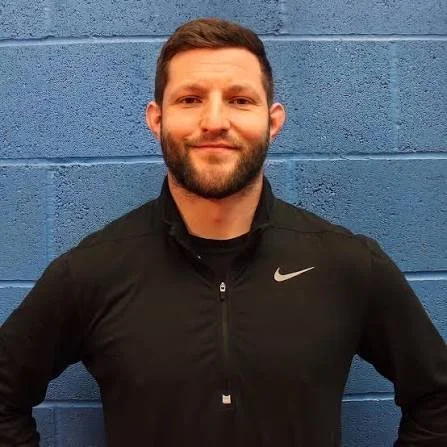
Fitness coach Adam Grayston
Three-month fitness and body-transformation expert PR campaign
Fitness and weight-management advice is a crowded area of consumer publishing. Readers see conflicting claims about dieting, exercise, motivation and what people should do when life makes a strict routine difficult. A coach who can explain practical experience in a clear, sensible way may offer journalists a useful perspective, particularly when the article is about an everyday question rather than a major medical development.
Adam Grayston is a body-transformation coach whose professional positioning has included helping people build more manageable habits without relying solely on conventional gym routines. It has confirmed that his PR engagement lasted three months. The archive records seven appearances and linked or print-source entries, including the Daily Express, Woman & Home, Stylist and The Sun.
This case study shows the different angles through which fitness coaching can become relevant to the media. The articles are historical editorial outputs, not an endorsement by Fair PR of any particular dramatic weight-loss headline, diet or guaranteed result.
The opportunity: useful answers amid a flood of fitness claims
A coach can tell the media that exercise matters, but that statement alone is unlikely to make a distinctive article. Editors often need specifics: why somebody may struggle to follow a routine, what counts as a meaningful workout, or how to make healthy habits more realistic for busy people.
Adam's recorded coverage reflects this focus on practical questions. Some appearances addressed body transformation and weight-management approaches. Others explored the benefits of exercise more broadly, or how people might deal with tiredness during an ordinary working day. These are overlapping areas of knowledge but not identical editorial stories.
The opportunity for expert PR is to match a spokesperson's real competence to the subject a journalist is covering, while distinguishing reported opinion and coaching experience from independent medical evidence.
Daily Express: two distinct consumer fitness features
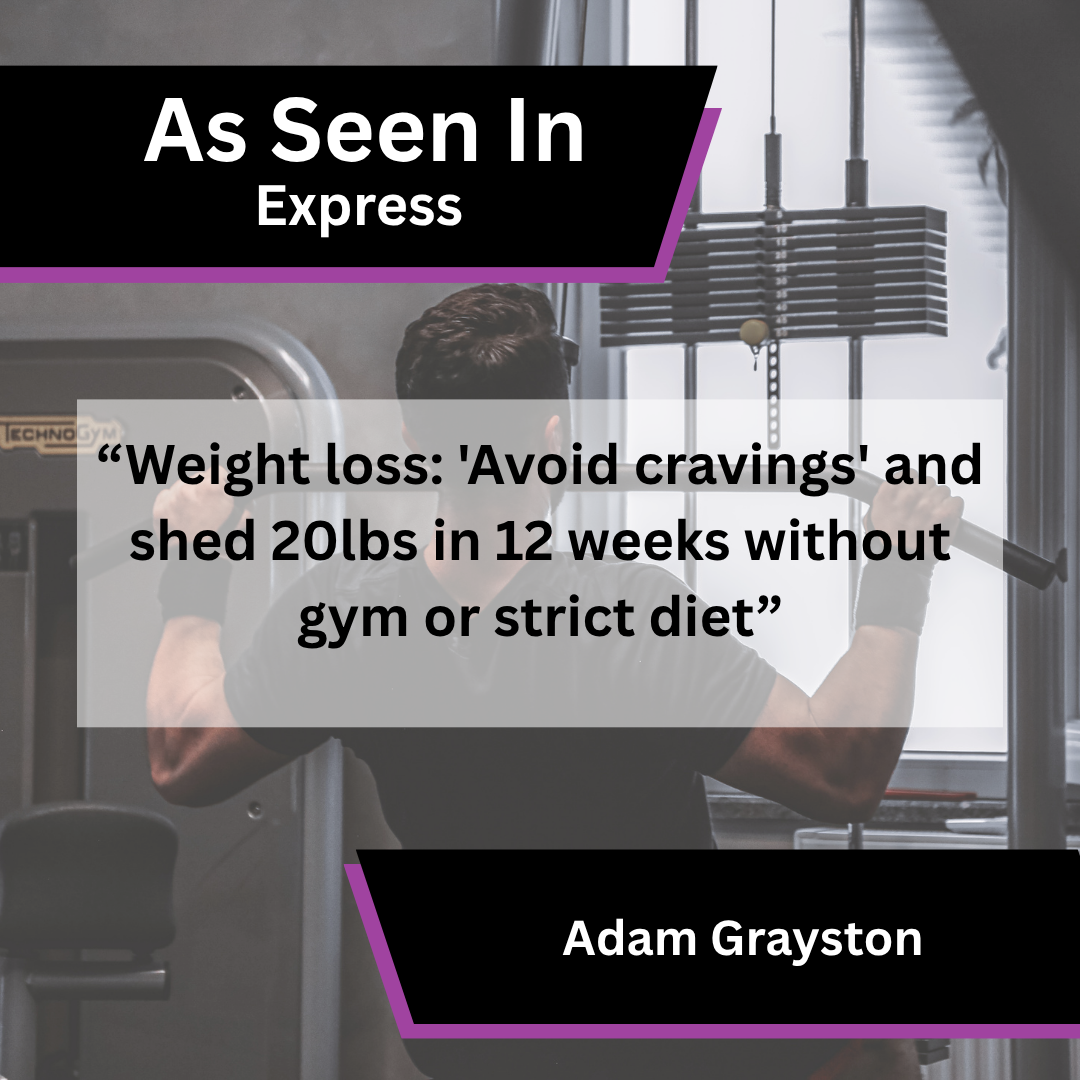
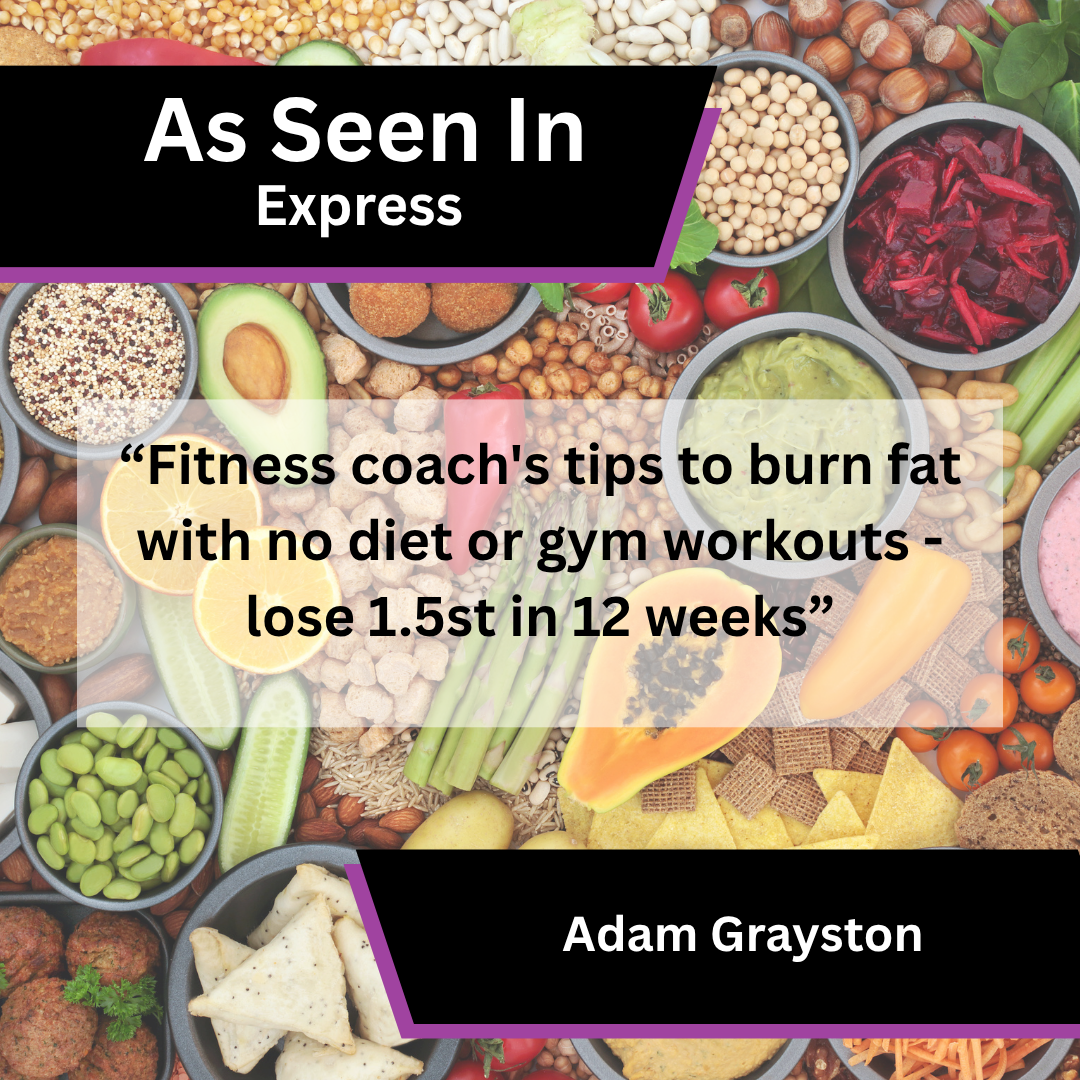
The Daily Express published two separate articles on 25 March 2022 featuring Adam's approach to exercise and body transformation. One examined tips for reducing body fat without relying on a conventional gym plan. Another explored managing cravings and building an approach outside strict gym or dieting routines.
These are separate published URLs with related themes. It would be misleading to present them as evidence that an average reader can achieve the specific weight-change figures in the headlines. A media article's framing is not the same as a clinical trial, and individual results depend on circumstances that are not measured by this case study.
What the placements do establish is that a national consumer outlet sought fitness-related commentary about an accessible coaching approach. The editorial format aimed to make the subject understandable to an audience that may not be interested in technical training theory.
Woman & Home: answering a straightforward exercise question
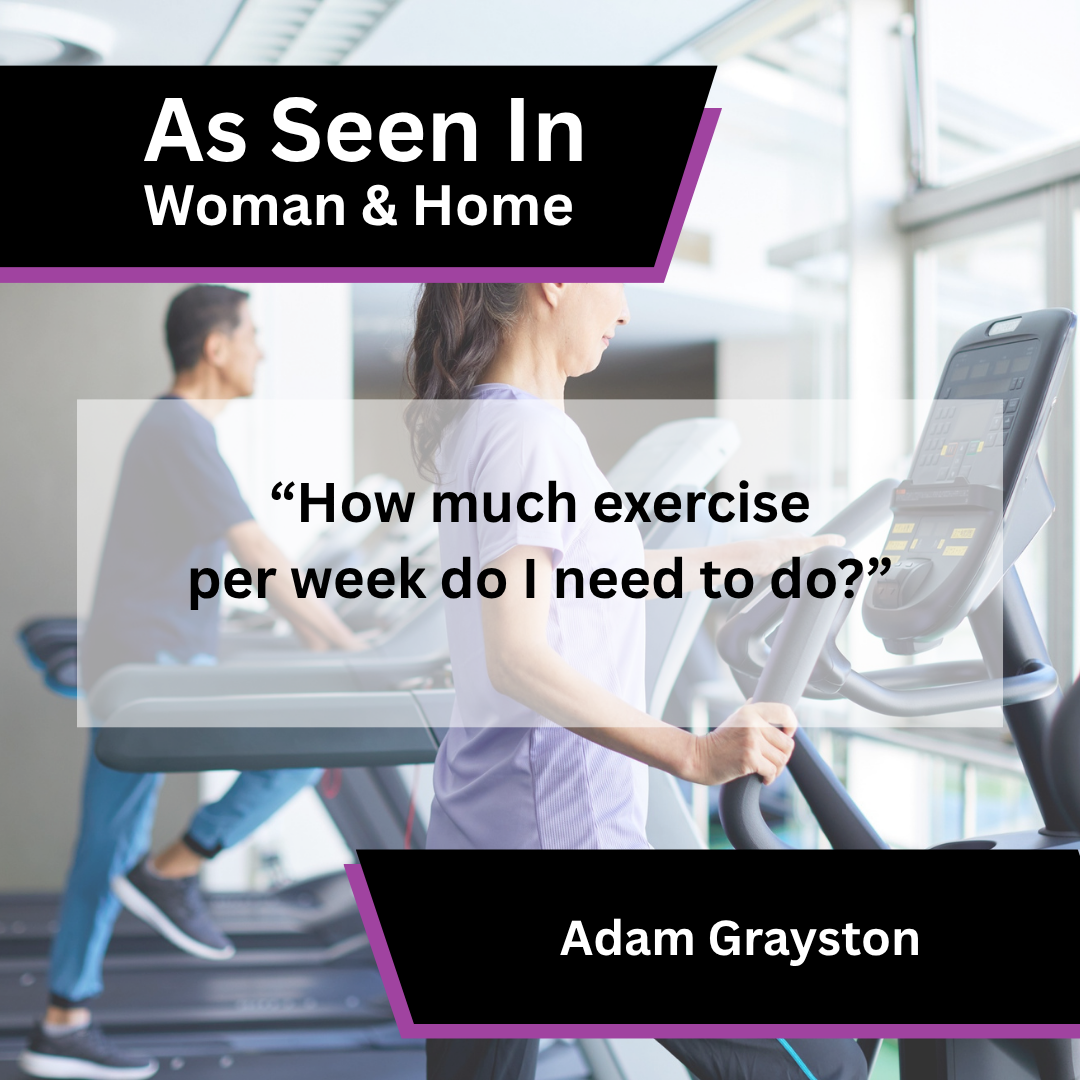
Woman & Home published a feature about how much exercise people need in a week. Adam appeared in a context that was different from a personal body-transformation story. The central question was an ordinary one that many readers ask: how should activity fit into an already busy life?
A topic like this works best when expert input helps readers understand their options without creating pressure to achieve a perfect training schedule. Journalists may draw on a range of contributors, public guidance and their own editorial research.
For a coach, being able to talk about realistic activity can broaden the range of publications that might consider their comments. It demonstrates expertise beyond simply promoting a paid training programme.
Stylist: challenging the notion of a bad workout
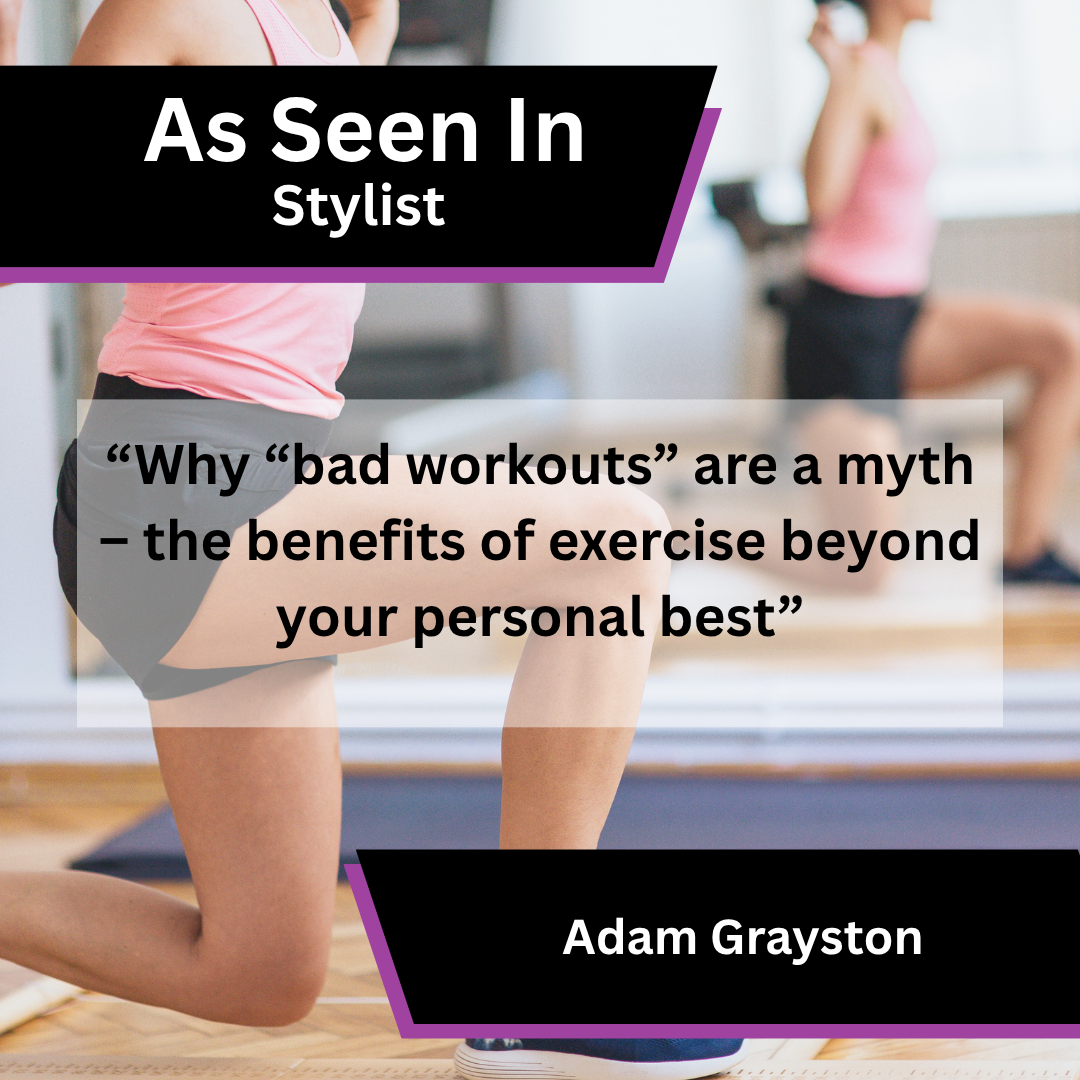
Stylist published a piece questioning whether a workout should be judged only by personal-best performance. This subject is more about the interpretation of exercise and motivation than dramatic before-and-after claims.
It is a useful example of an expert responding to a specific misconception that can influence how readers feel about fitness. A session may matter for reasons beyond a single performance measure, and the piece gave Adam another context in which to contribute professional commentary.
For journalists, a contribution that challenges an assumption can be valuable when it is clearly explained and appropriately qualified. It can help create a more useful story without requiring a new product, a record-breaking personal transformation or an unsupported promise.
The Sun: accessible body-coaching commentary
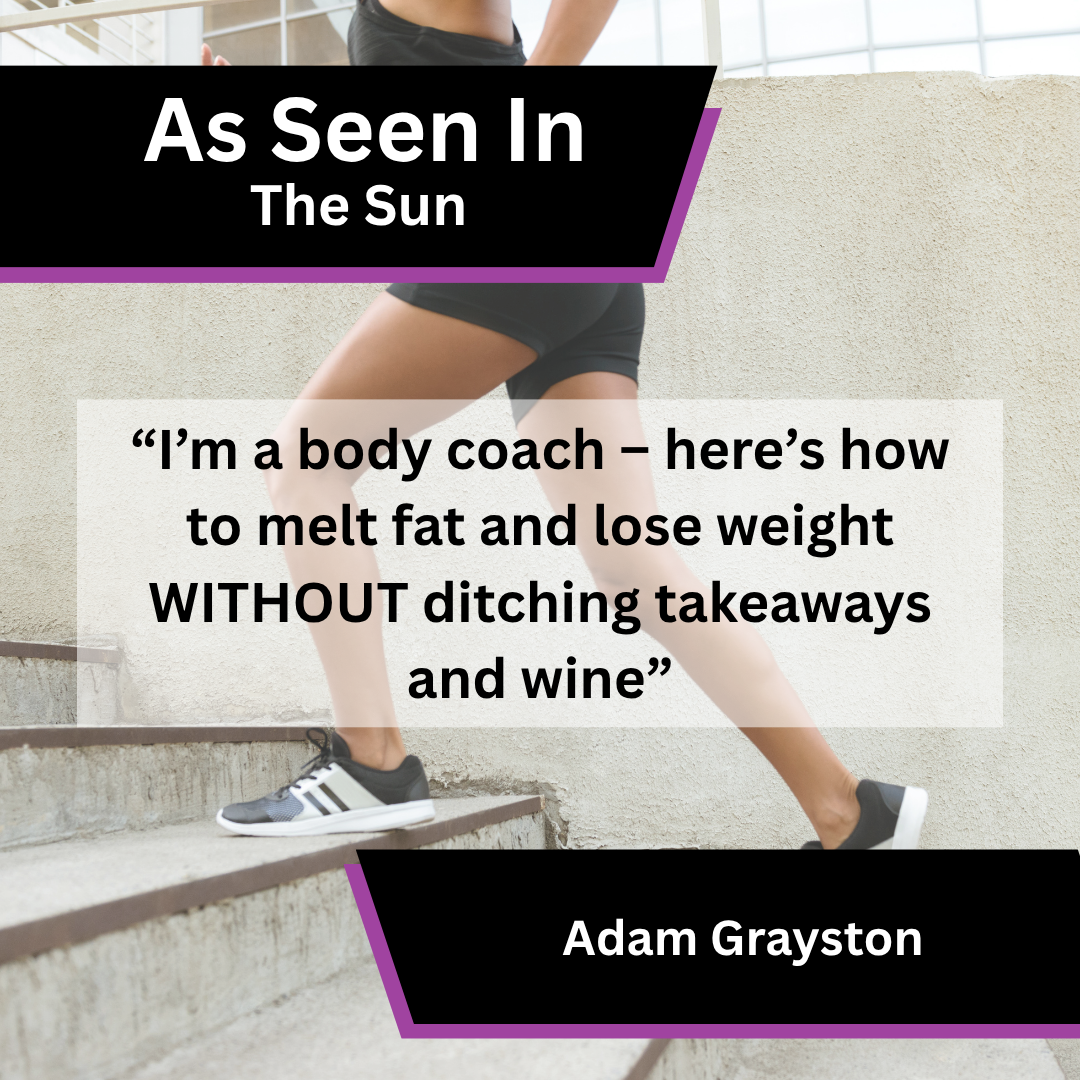
The Sun's historical article featured Adam giving advice about managing body fat and everyday food choices. Its headline was deliberately attention-grabbing, but the case-study evidence is the published appearance itself.
The wider lesson is that national media may be interested in practical coaching ideas that feel relevant to ordinary lifestyles. Any accompanying food or weight-management advice must still be considered on its own evidence and suitability for the individual reader.
Our historic archive records the publication, not any claim that following its suggestions necessarily led to measurable weight loss, improved health or client enquiries.
Yahoo Life and Women's Fitness: energy and sustainable habits
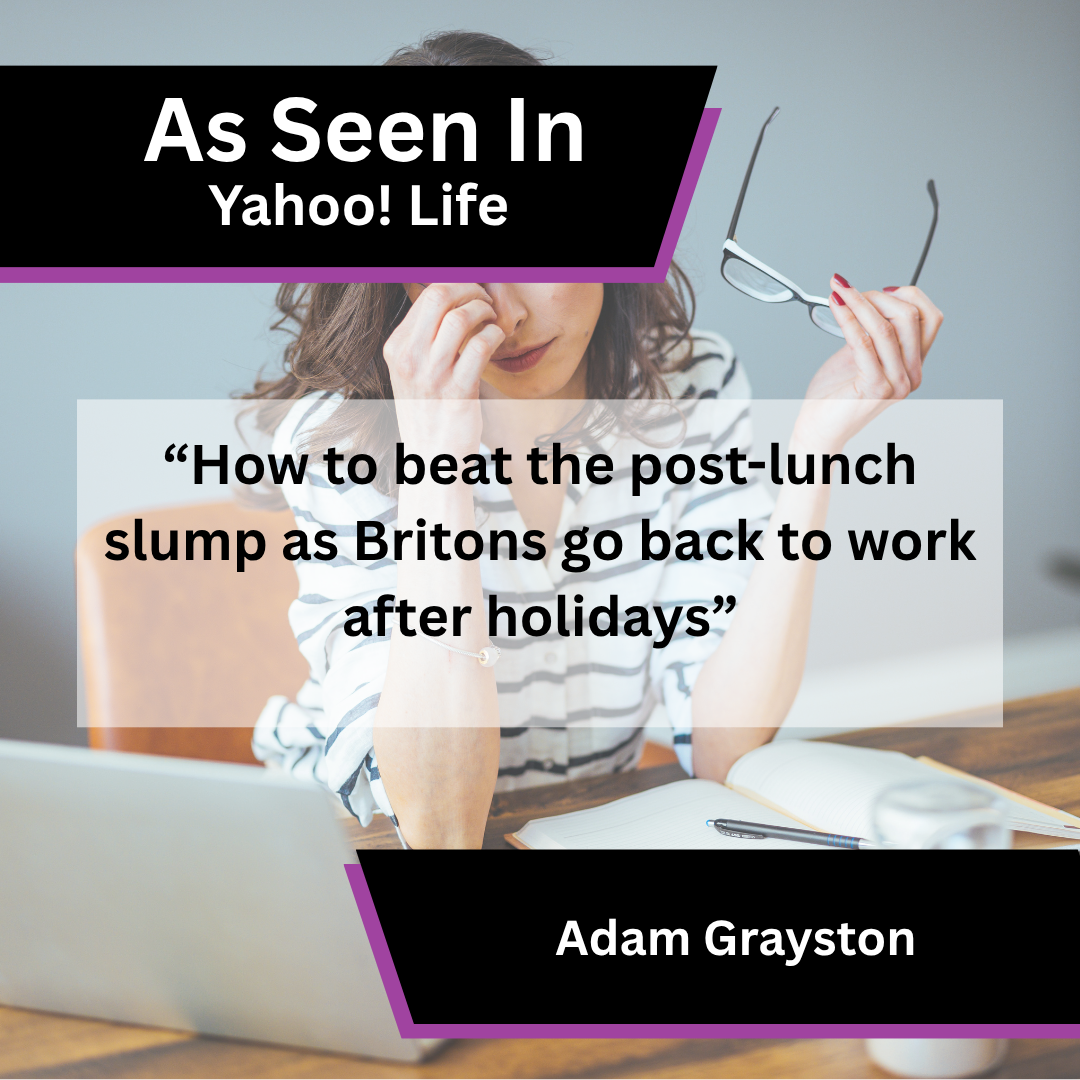
Yahoo Life carried commentary on dealing with the afternoon slump after returning to work. It illustrated a broader lifestyle subject with potential relevance to readers who are not specifically shopping for a fitness coach.
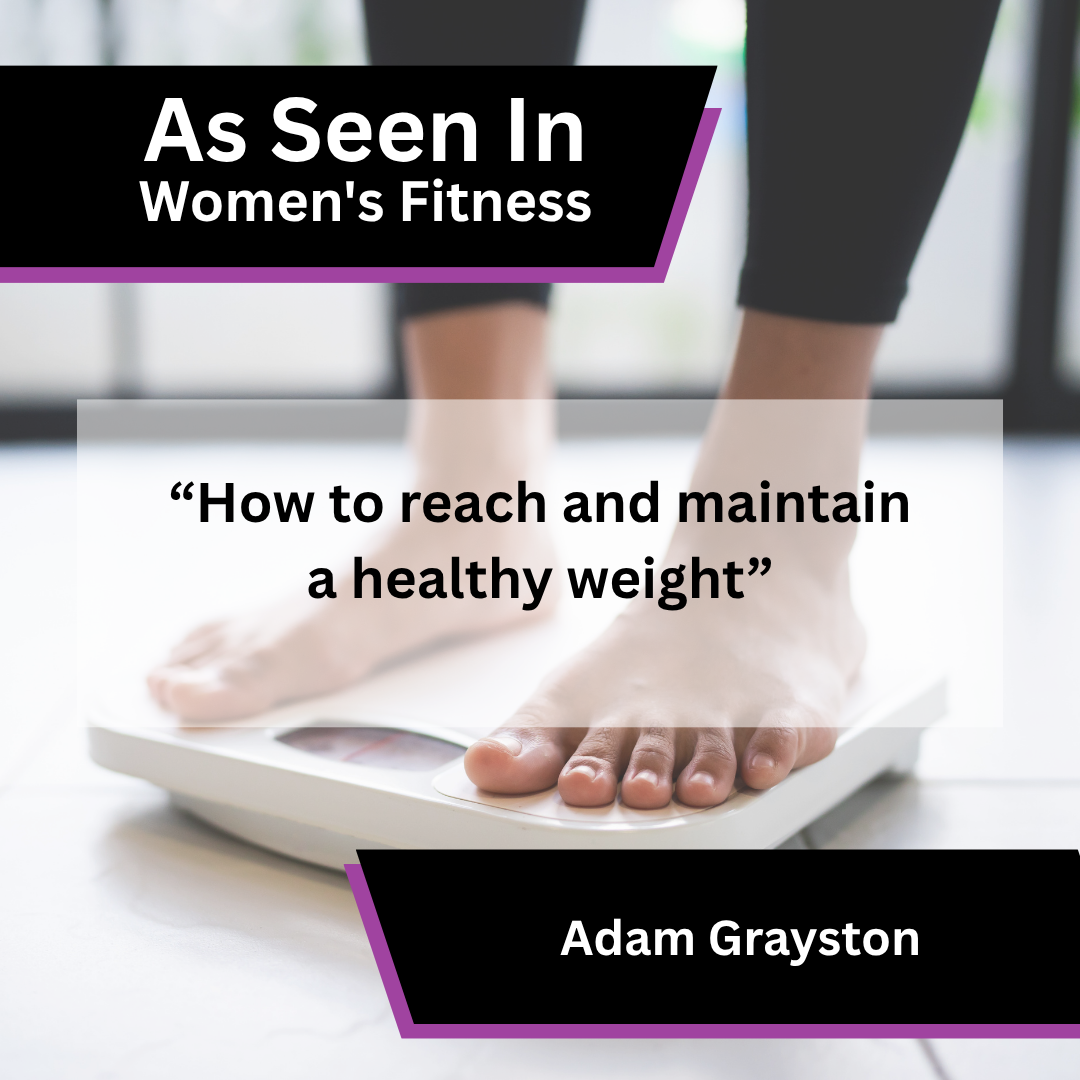
The archive also lists a Women's Fitness print appearance on reaching and maintaining a healthy weight. The source record includes an original article-proof image but no accessible editorial URL, so it should be presented as a print archival appearance rather than invented as a working web page.
Together, these later examples extend the kind of subjects for which a fitness expert might be quoted. They do not demonstrate a clinical treatment outcome, a universal weight-management method or quantified customer growth.
What the campaign demonstrates
The archive shows seven individual publication entries across six named media outlets, with two distinct Daily Express articles and a Women's Fitness print item. Their published-date records span March to June 2022, while it confirms a three-month campaign. The date span is recorded for source transparency, not as an inferred contract start or end.
The public value of the case is the range of topics: practical fitness, workout expectations, consumer habits, afternoon energy and weight management. A coach with genuine firsthand expertise may be relevant to more than one kind of journalist if their ideas suit the reader and their claims can be supported.
The media coverage does not establish a particular volume of backlinks, bookings, search ranking gains or physiological changes. Those outcomes would require separate records. It demonstrates that Adam contributed to published consumer discussions, and that some of those contributions reached nationally recognised outlets.
Published coverage results
| Publication | Date | Editorial subject |
|---|---|---|
| Express | 2022-03-25 | Fitness coach's tips to burn fat with no diet or gym workouts - lose 1.5st in 12 weeks |
| Express | 2022-03-25 | Weight loss: 'Avoid cravings' and shed 20lbs in 12 weeks without gym or strict diet |
| Woman & Home | 2022-04-20 | How much exercise per week do I need to do? |
| Stylist | 2022-04-30 | Why “bad workouts” are a myth – the benefits of exercise beyond your personal best |
| The Sun | 2022-05-18 | I’m a body coach – here’s how to melt fat and lose weight WITHOUT ditching takeaways and wine |
| Yahoo! Life | 2022-06-10 | How to beat the post-lunch slump as Britons go back to work after holidays |
| Women's Fitness | 2022-06-20 | How to reach and maintain a healthy weight (print archival record) |
Images from the coverage
Campaign details
| Result | Details |
|---|---|
| Expert | Adam Grayston, fitness and body-transformation coach |
| Campaign length | Three months |
| Historical media records | Seven distinct publication/article records |
| Selected titles | Daily Express, Woman & Home, Stylist, The Sun, Yahoo Life, Women's Fitness |
| Subjects | Workout consistency, activity, realistic habits, body-transformation coaching and weight-management commentary |
Frequently asked questions
What kinds of topics brought Adam Grayston media coverage?
His documented appearances involved workout routines, exercise expectations, body-transformation advice, everyday food choices and lifestyle energy. Several subjects were relevant to people who were not already interested in hiring a fitness coach.
Why is the Stylist appearance a useful fitness PR example?
It approached exercise through a common mindset question about whether a workout can be 'bad'. That is a different editorial route from a weight-loss story, and it allowed Adam's contribution to address readers' real-world understanding of fitness.
Do these headlines prove a particular body-fat or weight-loss result?
No. They are evidence of independent articles and historical expert commentary. A dramatic editorial headline is not clinical proof, and individual outcomes would need separately verified evidence. This case study does not make a guaranteed fitness or health claim.
Could your specialist knowledge help journalists?
If you are a credible coach or fitness professional with useful insights, we can help explore which questions you may be able to answer for relevant publications. Learn more about Fitness PR and Expert PR, or contact Fair Public Relations.
